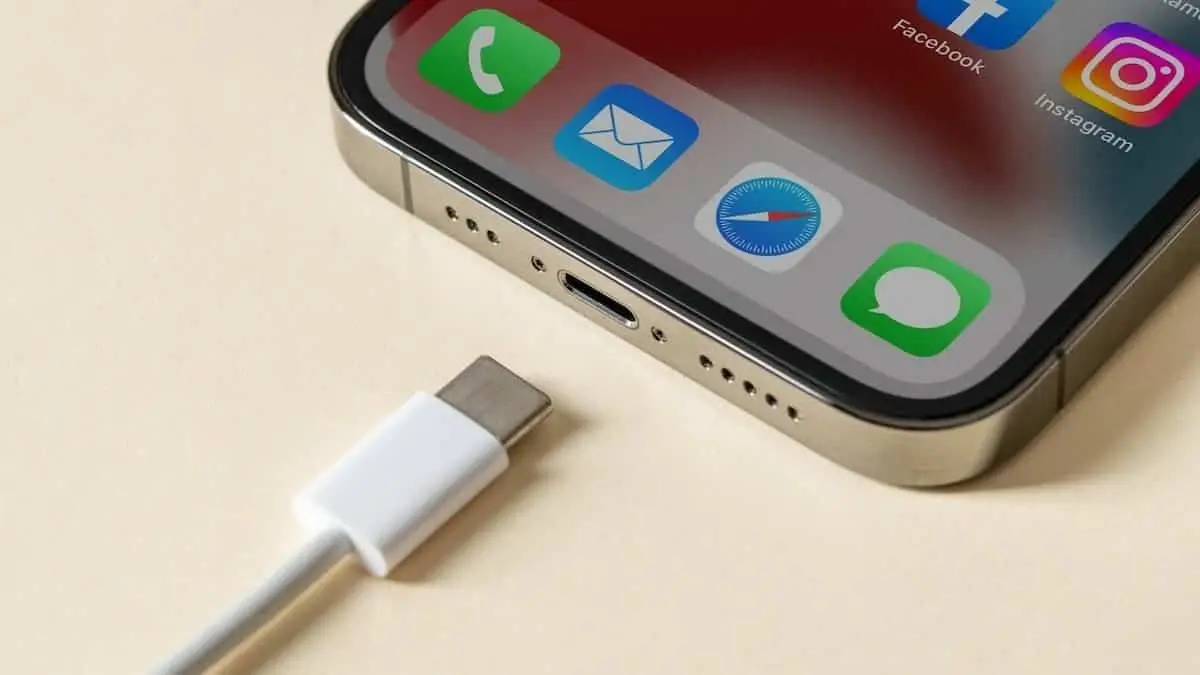
Exploring the Versatility of USB-C on the iPhone

Analyzing the Uses:
Battery Boost for Apple Watch:
One of the most practical applications discovered is using the iPhone 15 Pro's USB-C port to charge an Apple Watch. The short battery life of Apple smartwatches can be a drawback, especially during short trips or when trying to travel light. By employing the Apple Watch SE's charging cable and connecting it directly to the iPhone 15 Pro, users can conveniently charge their smartwatch on the go. Additionally, in a pinch, the iPhone 15 Pro can be connected to an external battery via MagSafe. Creating a power loop that can prove invaluable in emergencies.
Emergency Power Bank:
Reverse charging, a familiar feature for USB-C phone users, takes on a new significance for iPhone users. While power banks are the typical solution for charging on the go, the ability to use the iPhone 15 Pro as an emergency power bank adds an extra layer of convenience. By connecting two USB-C cables, users can charge other phones, regardless of whether they are Apple or Android devices. Despite occasional inconsistencies in the connection between Android and iPhone, this feature can be a lifesaver in specific emergency situations. Allowing users to share battery power.
Content Display on Larger Screens:
The iPhone's small screen can be limiting when attempting to share photos or videos with others. The USB-C port on the iPhone 15 Pro offers a solution by enabling users to connect their phones to a monitor through a hub. This allows for seamless content display on a larger screen without the need for additional configurations. Although there may be some limitations, such as black borders on the sides, the ability to showcase content on a larger screen enhances the overall multimedia experience.
Expanding on the Versatility:
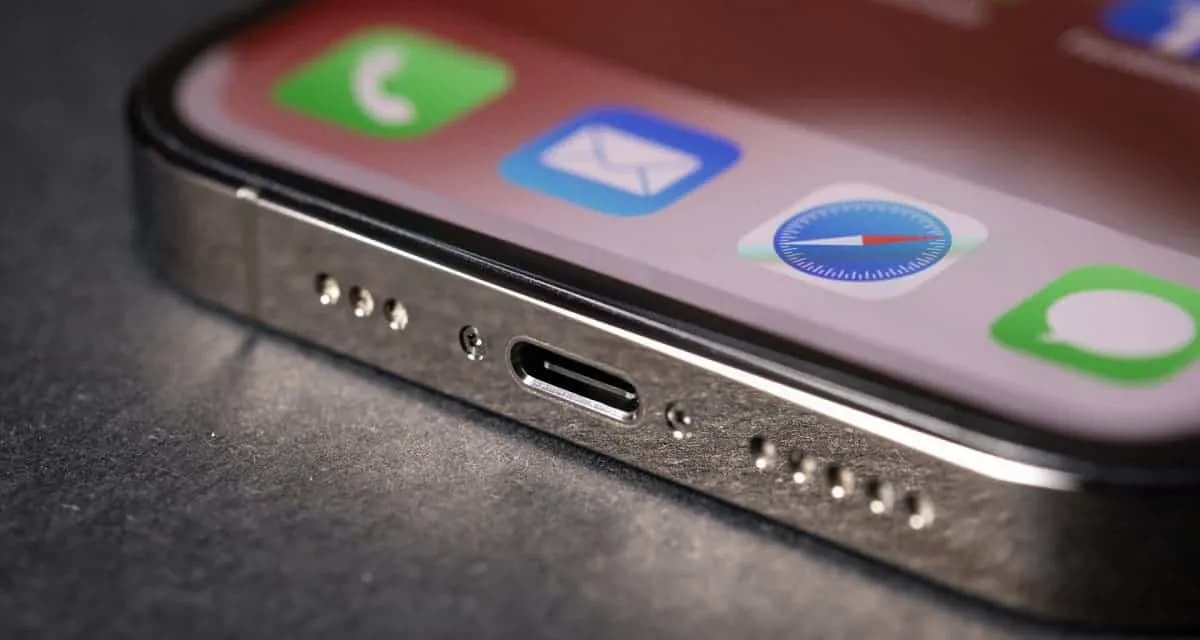
Let's delve into the potential pros and cons of adopting the USB-C on the iPhone
- Universal compatibility: USB-C is the standard port for most laptops, Android phones, tablets, and many other devices. This eliminates the need for separate cables and chargers for iPhones, making it more convenient and reducing electronic waste.
- Faster data transfer: USB-C supports much faster data transfer speeds compared to the current Lightning port on iPhones. This could significantly improve file transfers, backups, and video editing.
- Faster charging: USB-C also supports faster charging protocols like USB Power Delivery. This could potentially lead to shorter charging times for iPhones.
- Durability: USB-C ports are generally considered more durable than Lightning ports, which can be prone to wear and tear.
- Reduced environmental impact: Using a universal port could lead to fewer cables and chargers being produced, reducing electronic waste.
- Cost: Apple might need to increase the price of iPhones to cover the cost of switching to USB-C.
- Transition period: Existing Lightning cables and accessories would become obsolete, potentially causing inconvenience for users until they upgrade.
- Potential limitations: Apple could choose to implement a proprietary version of USB-C on iPhones, limiting its full potential benefits.
- Impact on Apple's ecosystem: The switch could weaken Apple's control over its Lightning accessory ecosystem, which has been a profitable source of revenue for the company.