RedMagic 11S Pro+ Hits 4,000 Single-Core on Geekbench — A First for Android
red magicMonday, 11 May 2026 at 09:28

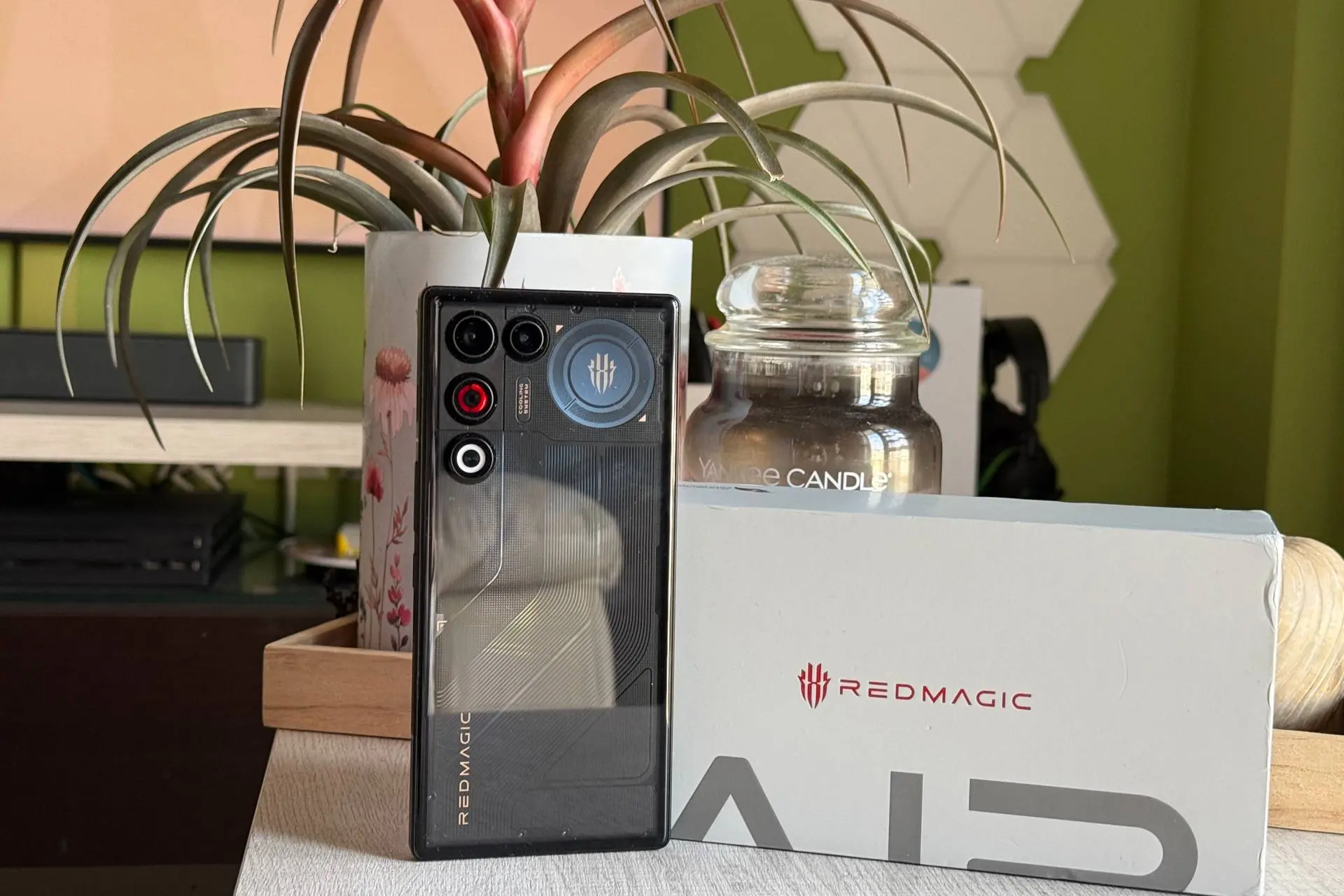
RedMagic's next gaming flagship is already in the benchmark database, and the numbers are turning heads. A Geekbench 6 listing under model number nubia NX809J — believed to be the RedMagic 11S Pro+ — reportedly crossed 4,000 points in single-core performance. According to Chinese blogger @肥威, no Android phone had legitimately reached that mark on Geekbench 6 before.
The listing appeared on May 10, briefly hit around 4,010 points, then disappeared. Several remaining entries still show 3,900+ single-core and over 12,000 multi-core.

Key Points
- Geekbench 6 listing for nubia NX809J shows single-core scores of 3,900+ across multiple entries — one reportedly crossed 4,010 before being removed, claimed as Android's first legitimate 4,000-point single-core result
- RedMagic cherry-picks its Snapdragon 8 Elite Gen 5 chips — the company describes selecting "best of the best" silicon with more aggressive frequency headroom than standard retail units
- Benchmark references "QTI SM8850 3628 MHz (8 cores)" — the unusual ARMv8 labeling and clock speed suggest non-standard chip configuration beyond Qualcomm's default specs
- Redcore R4 gaming chip and CUBE Sky Gaming Engine onboard — RedMagic claims 200+ games supported at up to 2K and 144fps with simultaneous frame interpolation and resolution upscaling
- Full RedMagic 11S Pro series launches in China on May 18 alongside a new gaming tablet announcement
What 4,000 Single-Core Actually Means
Geekbench single-core scores measure peak CPU performance on a single thread — the metric most relevant to game engine responsiveness, UI smoothness, and latency-sensitive tasks. The iPhone 17 Pro Max sits around 3,900-4,000 points on the same platform. An Android phone crossing that threshold is genuinely significant — Qualcomm's Snapdragon 8 Elite Gen 5 on standard retail devices typically lands in the 3,500-3,700 range.
The gap between RedMagic's result and standard Snapdragon 8 Elite Gen 5 phones comes from the chip selection process. RedMagic explicitly described binning — testing individual chips and selecting those capable of sustaining higher clock speeds without stability issues. The 3,628 MHz clock speed referenced in the benchmark is meaningfully above what standard Snapdragon configurations run.

Sustaining the Performance Is the Harder Part
Raw benchmark peaks are one thing. Holding that performance under sustained gaming load is another. RedMagic's thermal stack is designed around exactly this challenge — active cooling fan, vapor chamber, and liquid cooling elements working in combination. The Redcore R4 gaming chip handles frame interpolation and resolution upscaling independently from the main SoC, reducing the thermal load on the Snapdragon during graphically intensive scenes.
The 200+ games at 2K and 144fps claim from RedMagic's teaser material is ambitious. Benchmark scores provide the ceiling. Sustained gaming sessions will test whether the thermal system can keep the Snapdragon at those frequencies for more than a few minutes.
May 18 — Everything Confirmed Then
The full RedMagic 11S Pro series launches May 18 in China. The gaming tablet follows at a still-unconfirmed date after the same event. Between the benchmark results, the chip selection process, and the Redcore R4 co-processor, RedMagic is clearly building a case that peak Android performance lives here — not with the standard flagship stack.
Popular News



Latest News
Loading