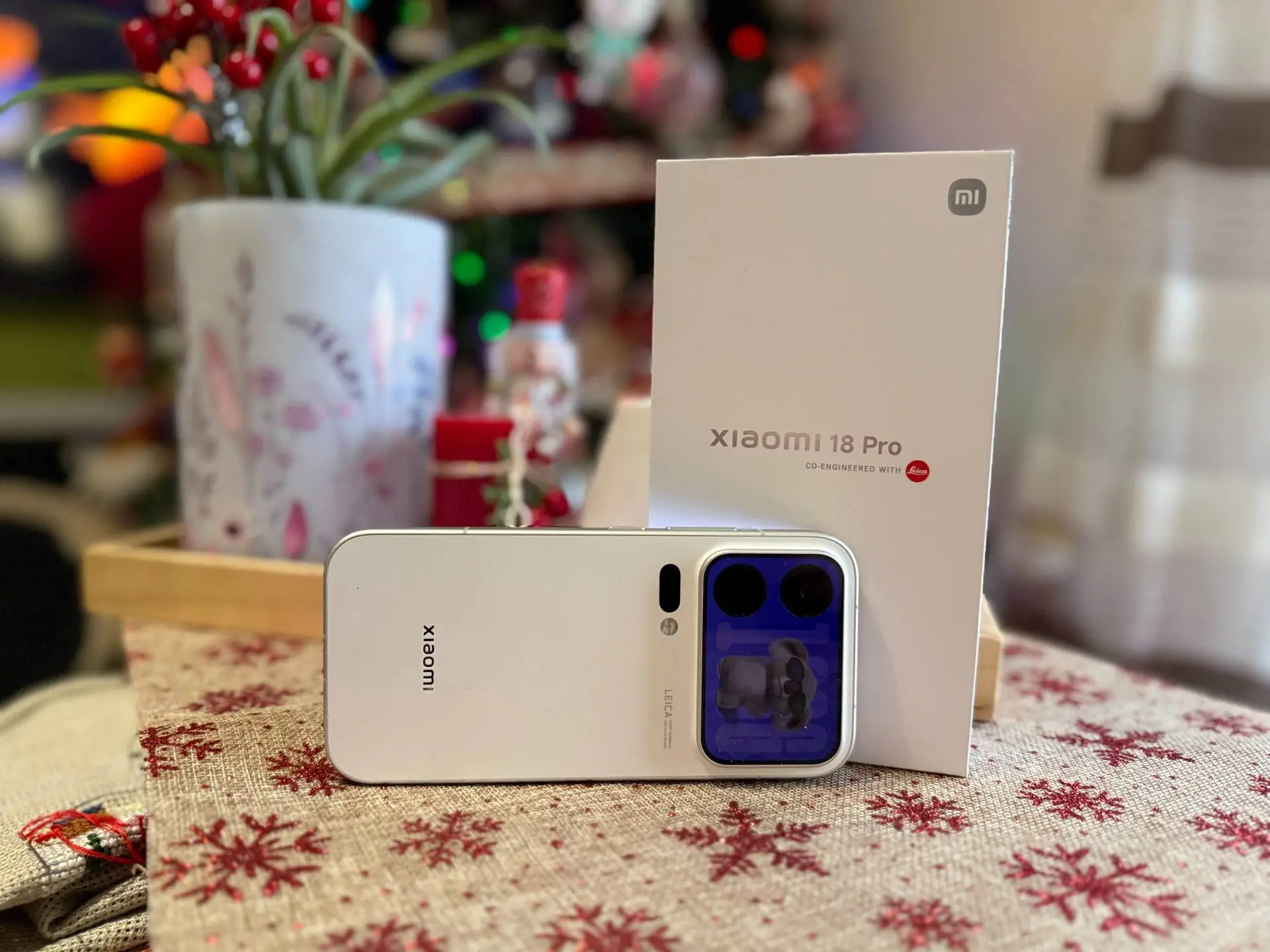
The Xiaomi 18 Pro has an easy pitch: flagship cameras, a body that is easier to manage than today’s giant phones, and a small screen on the back that lets you take selfies with the better cameras.
That last idea sounds like a gimmick. On paper, it is much more than that. The rear display can act as a viewfinder for photos and video, so you can frame yourself with the main camera instead of relying on the selfie camera. For people who take group shots, make short videos or simply want better selfies, that could change how often they use the rear cameras.

Xiaomi 18 Pro specifications
- 6.4-inch (2436 x 1220 pixels) M11 12-bit OLED LTPO display, 1-120Hz variable refresh rate, up to 4000 nits peak brightness, 5,000,000:1 (Min) contrast ratio, HDR10+, Dolby Vision, DC Dimming, Xiaomi Shield Glass
- 2.7-inch (912 x 596 pixels) 120Hz AMOLED display, up to 4000 nits peak brightness, DC Dimming,
- Octa Core Snapdragon 8 Elite Gen 6 / Gen 6 Extreme Gen 6 2nm Mobile Platform with Adreno 850 GPU
- 12GB / 16GB LPPDDR5x RAM with 256GB / 512GB / 1TB UFS 4.1 storage
- Dual SIM (nano + nano)
- Xiaomi HyperOS 4
- 200MP rear camera with 1/1.31″ Light Fusion 960 / 960L sensor, f/1.67 aperture, Hyper OIS, LED flash, Leica Summilux lens, 50MP 102° Leica ultra-wide angle lens with f/2.4 aperture, 5cm macro, 200MP 5X Infinity Leica periscope telephoto camera with f/2.4 aperture, 12cm telemacro, OIS, 8K video recording, 4K 120fps recording
- 50MP front-facing camera with f/2.2 aperture, 4K 60 fps video recording
- In-display ultrasonic fingerprint sensor, Infrared sensor
- USB Type-C audio, Hi-Res audio, Stereo speakers, Dolby Atmos, 4-microphone array
- 18 Pro Dimensions: 151.8×72×8.46mm; Weight: 203g
- 18 Pro Max Dimensions: 163.39×77.6×8.39mm; Weight: 234g
- Dust and waterproof (IP66/68/69)
- 5G SA/NSA, Dual 4G VoLTE, Wi-Fi 7 802.11 be, Bluetooth 6.0, UWB, Beidou, Galileo, GLONASS, GPS (L1 + L5), NavIC, USB Type-C 3.2 Gen 1, NFC
- 6000mAh (18 Pro) battery with 90W wired fast charging, 50W wireless charging, magnetic charging, 27W wired and wireless reverse charging

A smaller flagship with a standout back
The white Xiaomi 18 Pro has a cleaner look than the more colorful finishes in the range. Its large camera island still takes up much of the back, but that is where the phone gets its identity. The camera lenses sit beside a 2.7-inch AMOLED screen, turning a familiar slab into something more useful for photography.
At 198g and 72mm wide, the Pro looks like the more practical choice for anyone who finds large phones hard to hold. Its 6.4-inch screen is also easier to reach across than the 6.9-inch panel on the Pro Max. You still get a sharp LTPO AMOLED display with a refresh rate that can shift from 1Hz to 120Hz.

The listed protection is strong, too: IP68 dust and water resistance, Xiaomi Shield Glass 3.0 on the main screen, and Gorilla Glass Victus 2 over the rear display. Those details help the phone feel like a proper flagship rather than a camera concept wrapped around a phone.
The camera island does create one question for everyday handling. The ultrawide camera sits below the raised section, where fingers may fall when holding the phone. The Pro’s more compact body may change how it sits in the hand, but the lens placement is the same design choice to watch.
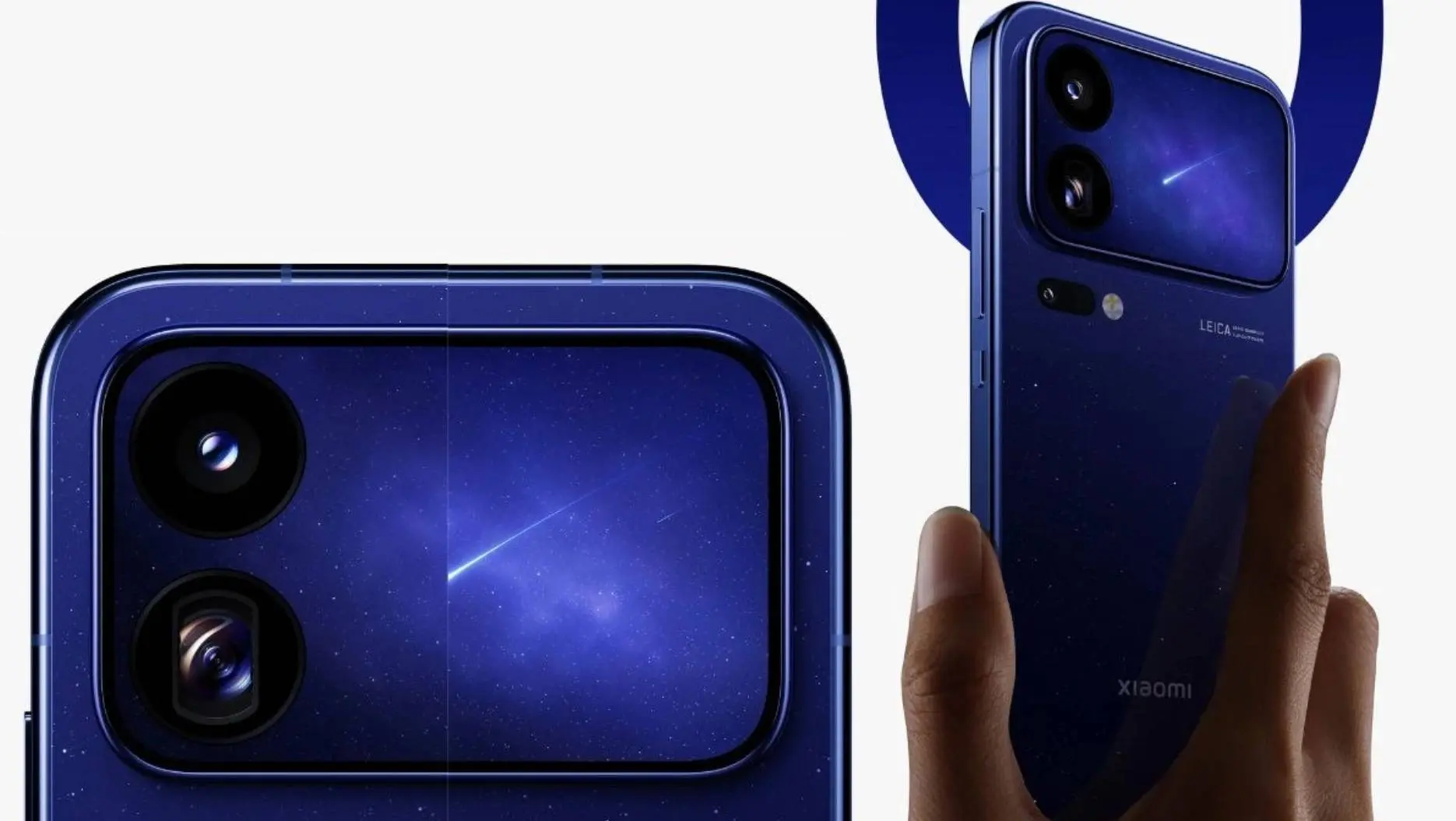
The rear screen earns its place
A second display on a phone can easily become a spec-sheet trick. The Xiaomi 18 Pro’s rear screen has a practical purpose: it lets you use the better rear cameras for selfies and vlogging while checking your framing. You can also turn it on while using the main display, so a person in front of the camera can see how they are framed. That is useful for family photos, creator clips and group shots where the photographer wants to be in the frame, too.

The rear display has limits. At 2.7 inches, it is a framing aid, not a full editing screen. Choosing 3.2x while taking a rear-screen selfie crops the main camera rather than switching to the telephoto lens. For this job, that may be fine: a tight 3.2x selfie is rarely what most people want.
For general use, the screen can show notifications and control music. Xiaomi also lets users create simple mini apps with AI, such as small games and counters. Those sound fun, though I found the feature limited because these mini apps cannot connect to other apps or online services. The display’s strongest case remains photography - but I guess you already expected this.
Two 200MP cameras, with Leica character
The Xiaomi 18 Pro has a 200MP main camera, a 200MP 3.2x periscope telephoto camera and a 50MP ultrawide. The main camera uses Xiaomi’s Light Fusion 960 sensor. Unlike the Pro Max’s 960L, it does not list LOFIC HDR, so buyers should not assume both models have identical highlight handling.

The shared camera system is built around detail and flexible framing. The main camera has a large 1/1.28-inch sensor, while the telephoto uses a 1/1.56-inch sensor. That 75mm-equivalent telephoto view should suit portraits, street details and close-ups. It also gives you more room to crop than a basic zoom camera.
In low light, there's good detail and noise control, though longer exposures could blur moving subjects. That is a familiar trade-off: still scenes can look rich, but pets, children and street action may need a steadier hand.
The 50MP ultrawide is the less convincing part of the system. I found it softer than the other cameras, with weaker low-light results and more processing. Its 17mm-equivalent view is also less wide than some rivals. If you often shoot interiors or dramatic landscapes, this is the camera to examine most closely.
Macro photography is a stronger point. I prefer using the telephoto camera for close-ups because it keeps some distance from the subject and creates a more natural perspective. Detail can be impressive, though the narrow depth of field means only a small part of a close subject may be sharp.
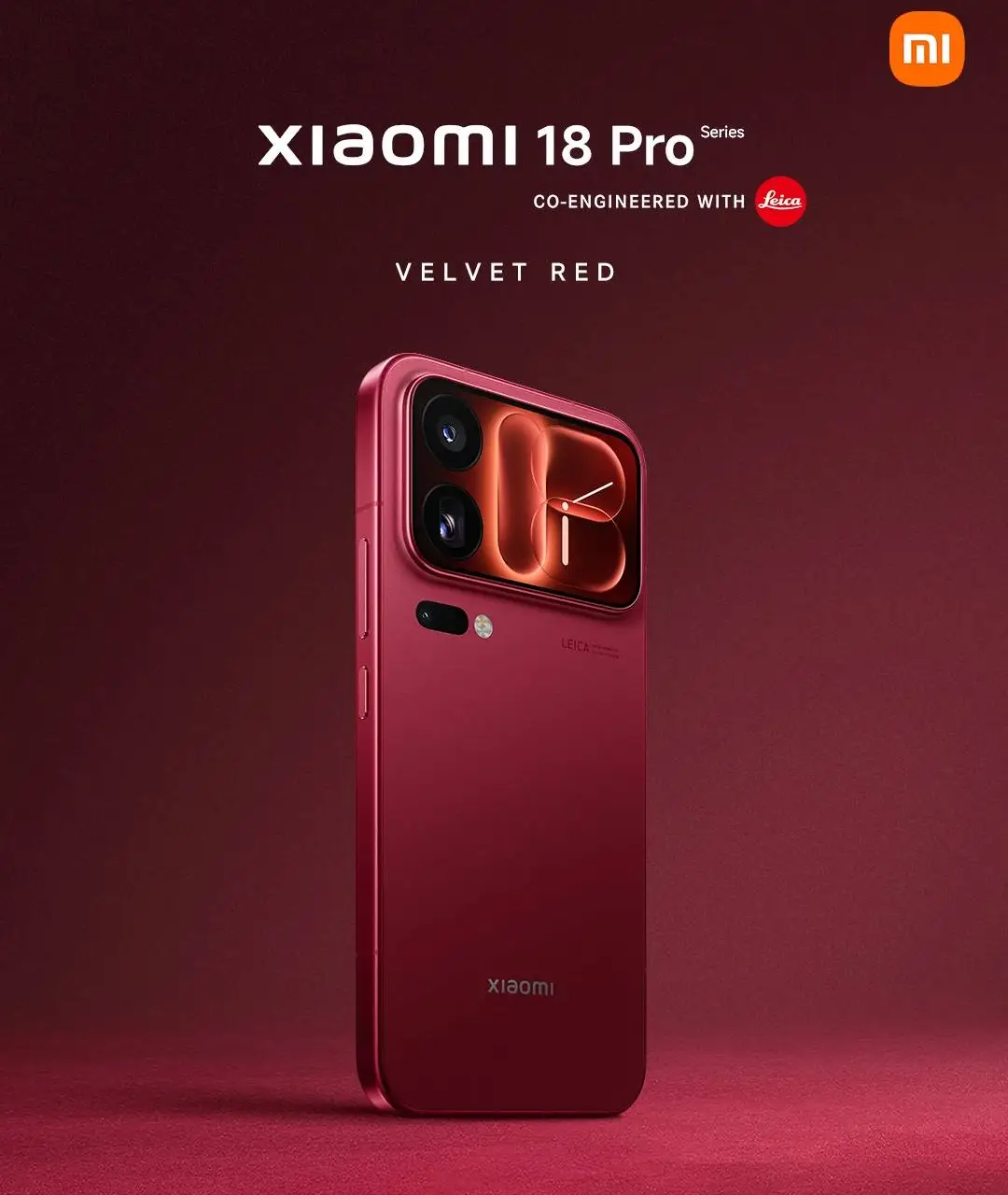
Leica styles make photos feel less generic
Xiaomi’s Leica partnership is about more than a logo. The camera app offers several looks, including a neutral Original profile, a punchier Leica Vibrant mode and Leica Authentic, which adds contrast and a subtle vignette.
Leica Authentic sounds like the mode for people who want photos with mood and character instead of bright, polished phone images. It will not suit every scene, but the option to change styles gives the camera more range.
The Gallery app adds another useful part of the camera experience. It includes detailed controls for exposure, color and contrast, plus tools such as Object Eraser, Reflection Removal and Generative Expand. For quick edits, having those controls built into the phone can save a trip to a separate app.
Video specs are ambitious: up to 8K at 30fps and 4K at 120fps on the main and telephoto cameras, with 10-bit Log recording. The ultrawide tops out at 4K at 60fps. All in all, standard video is clean and balanced, however its professional options do not match the flexibility of some rivals.
Fast hardware, with familiar software trade-offs
The Xiaomi 18 Pro is listed with Qualcomm’s Snapdragon 8 Elite Gen 6, 12GB of RAM and either 256GB or 512GB of storage. That is flagship hardware on paper and the 512GB variant that I had in my hands, was the best option for those media lovers out there.
HyperOS 4 brings plenty of ways to change the look of the phone, along with AI tools and a customizable side button. I must admit that I found the software less polished than some competing Android versions, citing small frustrations with app removal, home-screen grids and separate notification and control panels. Those details matter because a phone is something you use all day, not just a camera you take out for special occasions.
Battery capacity is 6,000mAh, with 90W wired and 50W wireless charging listed. That is a strong starting point for a compact flagship, and in real life scenarios you can expect more than 1.5 day of battery life.
So? Is it worth the hype?
The Xiaomi 18 Pro looks like one of the more distinctive compact Android flagships on paper. Its rear screen has a real use, the dual 200MP camera setup promises useful reach and detail, and Leica’s photo styles give images a more deliberate look. The 6.4-inch display and 198g weight could make it easier to live with than larger camera phones.

The trade-offs are clear, too. The ultrawide camera appears weaker than the main and telephoto cameras, the rear screen has limited everyday functions, and HyperOS may take some adjustment. The Pro’s main sensor also lacks the Pro Max’s LOFIC feature, so the bigger model has a hardware edge in that area.
If you care most about selfies, vlogging and a more compact body, the Xiaomi 18 Pro deserves a close look - and perhaps your commitment.
Popular News
Latest News