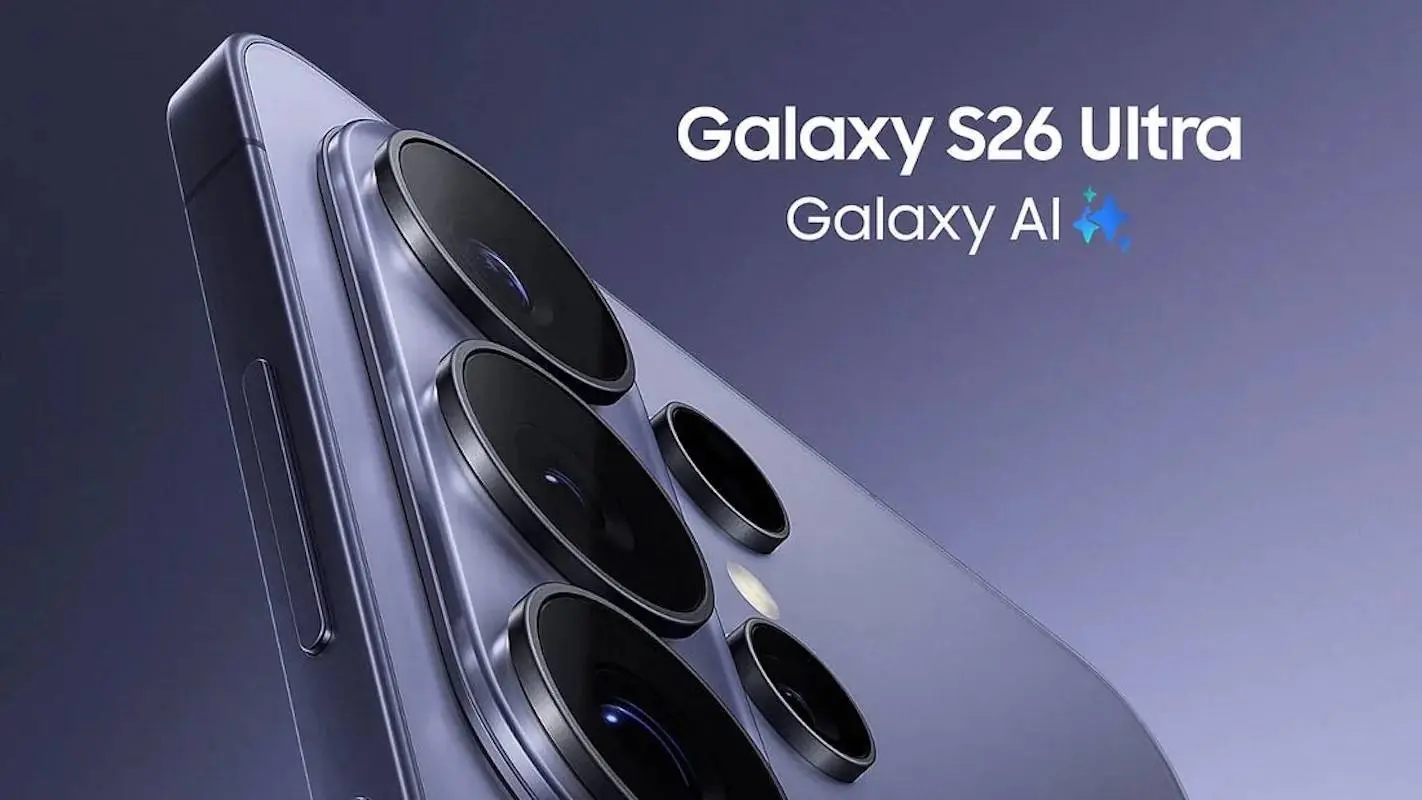
Samsung has officially unveiled the Samsung Galaxy S26 series, and while most of the spotlight is on software and AI, the vanilla models focus more on refinement than major hardware leaps. As usual, the Galaxy S26 Ultra gets the spotlight. For that reason, it is getting a separate article to uncover all the novelties. When it comes to the smaller members of this family, they do evolve in more subtle, practical ways.
Samsung Galaxy S26 and Samsung Galaxy S26+ Go Official With Bigger Base Storage and AI-focused Upgrades
Let’s address the key detail first: the chipset strategy.
Samsung is once again splitting silicon by region. The Samsung Galaxy S26 and S26+ are powered by the Exynos 2600 globally. However, those in North America, China, and Japan are getting the Snapdragon 8 Elite Gen 5 for the Galaxy variant.
According to Samsung, the new platforms deliver notable gains over the previous generation, including a 19% CPU boost, 24% faster GPU performance, and up to 39% faster NPU processing, with a strong emphasis on on-device AI workloads. We will get separate real-world numbers for each chipset when they become available.

Larger Base Storage, but RAM Stays Unchanged
One of the most practical upgrades this year is the storage.
The Samsung Galaxy S26 now starts at 256GB, officially dropping the 128GB base variant. Both the S26 and S26+ are available in 256GB and 512GB configurations, while RAM is fixed at 12GB across the board. Samsung usually plays with conservative numbers, and we weren't expecting a major leap in RAM amidst the RAMageddon. If not even Samsung, one of the world's biggest suppliers of such components, is giving more RAM to its flagships, we can't blame other brands if they follow suit.
Galaxy S26 Gets a Slightly Bigger Display and Battery Bump
The standard Samsung Galaxy S26 now features a 6.3-inch LTPO OLED display, up from 6.2 inches on its predecessor. It retains a 1080p+ resolution and a 1–120Hz adaptive refresh rate.
The Battery capacity sees a modest increase to 4,300mAh (up from 4,000mAh). Meanwhile, the device keeps nearly identical dimensions at 149.6 x 71.7 x 7.2mm and a weight of 167g. Despite the battery increase, the charging speed remains unchanged at 25W wired and 15W wireless.

Samsung Galaxy S26+ and Galaxy S26 Side by Side
Galaxy S26+ brings minimal hardware changes
The Samsung Galaxy S26+ was almost scrapped, but, according to rumors, Samsung had to bring it back after the failure of its Edge series. For that reason, the device sticks closely to last year’s formula.
It keeps the same 6.7-inch 1440p+ LTPO display with a 1–120Hz refresh rate, the same 4,900mAh battery, and identical overall dimensions and weight as the previous generation.
Charging also sees only a minor tweak. The wireless charging increases slightly to 20W, while wired charging stays at 45W.

Same triple camera hardware returns
For the vanilla and Plus variants, Samsung has retained the exact same camera setup on both models:
- 50MP main camera (f/1.8, OIS, 1.0µm pixels)
- 10MP telephoto with 3x optical zoom
- 12MP ultra-wide camera (f/2.2, 1.4µm pixels)
Instead of new sensors, Samsung is leaning heavily on AI-driven imaging improvements. Features like Auto Framing can crop 8K footage, and output stabilized 4K video in real time. The Super Steady Video introduces a 360° horizon lock similar to action cameras.
An upgraded AI ISP with an Object-Aware Engine is also aimed at improving selfies and subject detection.

One UI introduces deeper “agentic AI” integration
Software is the core upgrade of the S26 generation. The new One UI build is designed around what Samsung calls an “agentic AI” experience, with system-wide smart features.
Now Nudge can remind users of commitments during conversations and suggest relevant photos on the fly. Meanwhile, Now Brief is powered by the Personal Data Engine, which analyzes notifications, messages, and emails to automatically infer schedules and appointments.
Read also
Screenshot management has also been enhanced. The system can automatically sort captured images into categories such as Shopping, Events, Boarding Passes, Locations, and QR Codes, making organization more seamless.
Other notable additions include:
- Call Screening with live transcription and caller identification
- Advanced document scanner with formatting and image preservation
- Audio Eraser support inside third-party apps like YouTube, Netflix, and Instagram

Design, colors, and availability
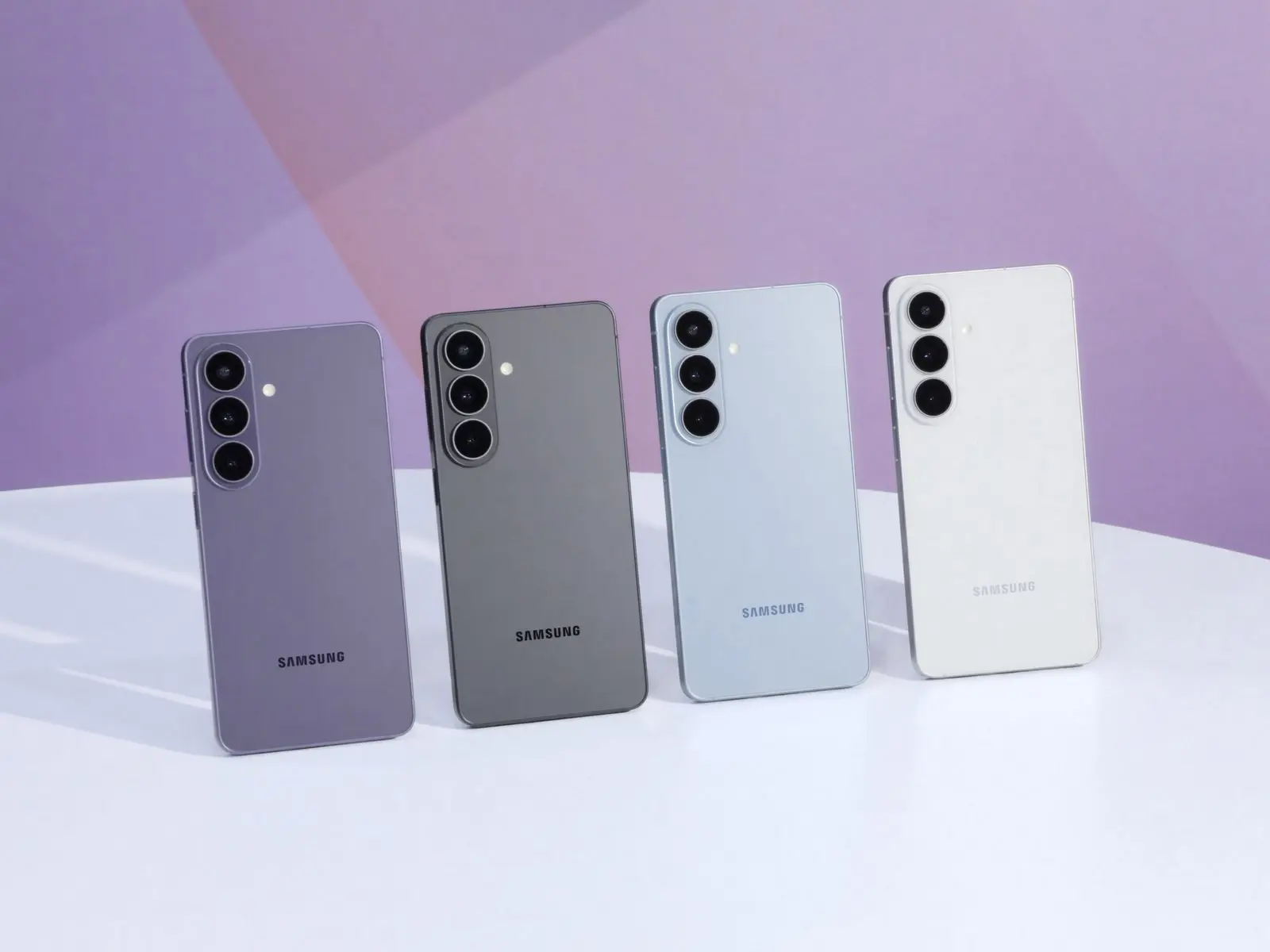
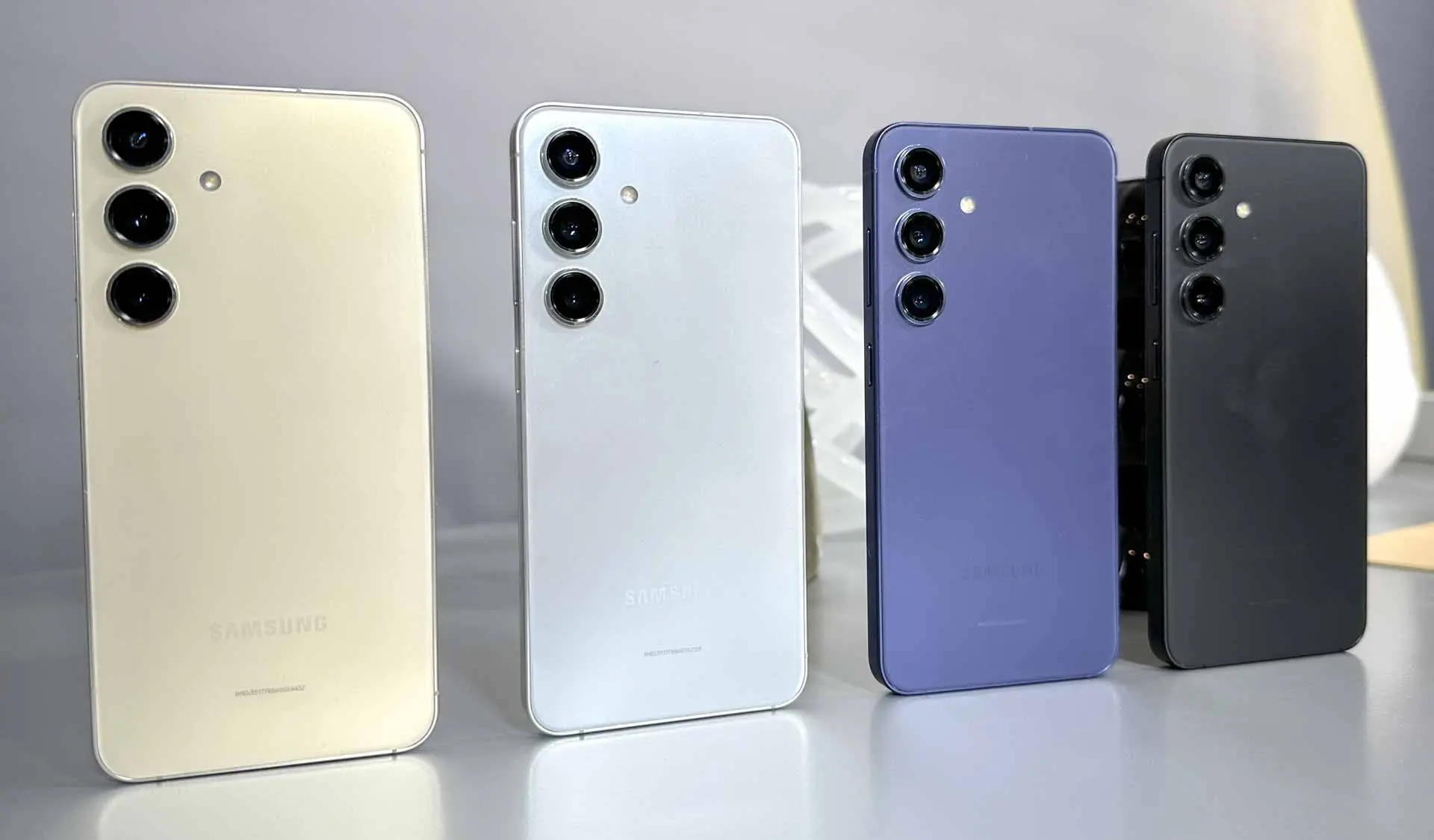
Samsung is keeping the branding consistent this year, offering the Galaxy S26 and S26+ in four color options: White, Sky Blue, Cobalt Violet, and Black. The Galaxy S26 series will be available starting March 11, with pre-orders already open in initial markets.
Quick Specs Recap:
- Galaxy S26: 6.3″ LTPO OLED, 120Hz, 4,300mAh, 25W wired
- Galaxy S26+: 6.7″ LTPO OLED, 120Hz, 4,900mAh, 45W wired, 20W wireless
- Chipset: Exynos 2600 (global) / Snapdragon 8 Elite Gen 5 (select markets)
- RAM: 12GB
- Storage: 256GB / 512GB
- Cameras: 50MP main + 10MP 3x telephoto + 12MP ultra-wide
- OS: One UI with agentic AI features
Final thoughts
The Galaxy S26 and S26+ are clear examples of iterative refinement. Hardware changes are modest, especially on the Plus model, with the most noticeable upgrades being base storage and a slightly larger display on the standard variant.
However, the real shift lies in performance efficiency and AI acceleration. Faster on-device processing, smarter system features, and deeper software integration suggest that Samsung is positioning the non-Ultra members of the S26 lineup less as a hardware leap.
Popular News
Latest News
Loading