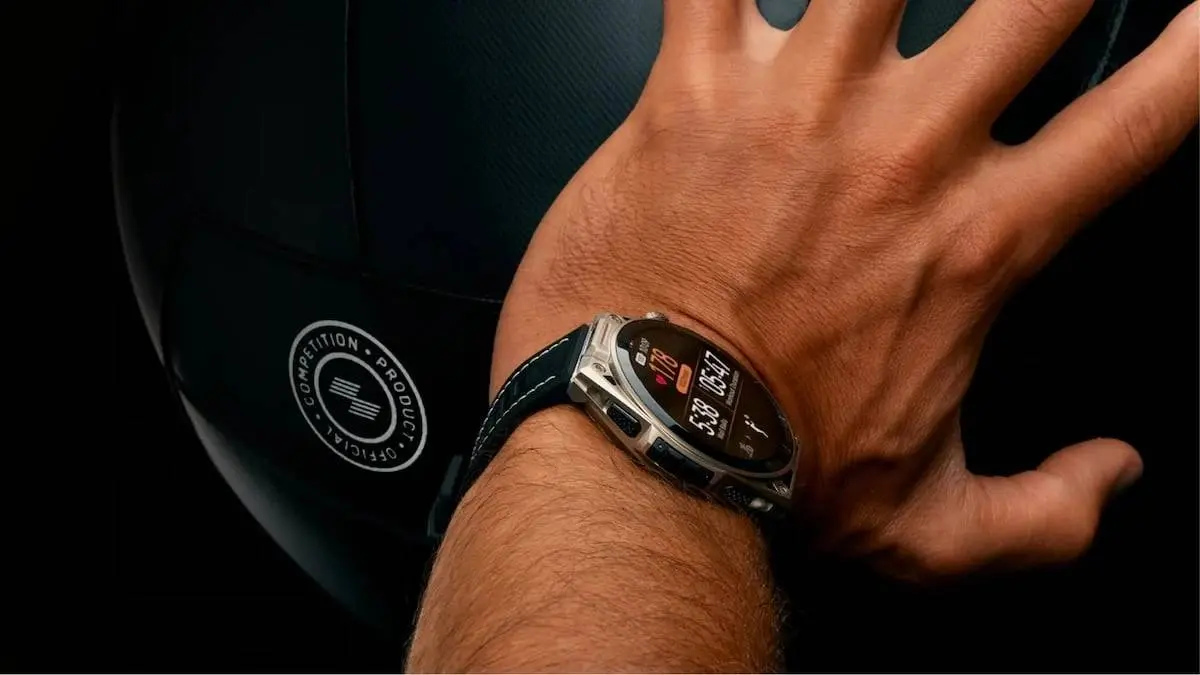
The Balance series used to look like a lifestyle watch with fitness features. The Balance 3 reverses that entirely.

Summary
- The Amazfit Balance 3 launched on June 2, 2026 at $369.99 for the stainless steel version — with a titanium variant at $449.99 following soon after — alongside the premium Balance Ultra ($599.99), both unveiled at a launch event in New York.
- The 51.4mm case uses a 1.5-inch AMOLED at 3,000 nits peak brightness, protected by sapphire crystal glass, with 10ATM water resistance — housed in a redesigned more athletic body that shifts the Balance line toward serious sports watches rather than lifestyle wearables.
- A 658mAh battery delivers 21 days of typical use or 7 days with always-on display active, supported by dual-band GPS, offline maps, turn-by-turn navigation, and 180+ sports modes including HYROX-specific training plans and pace simulation.
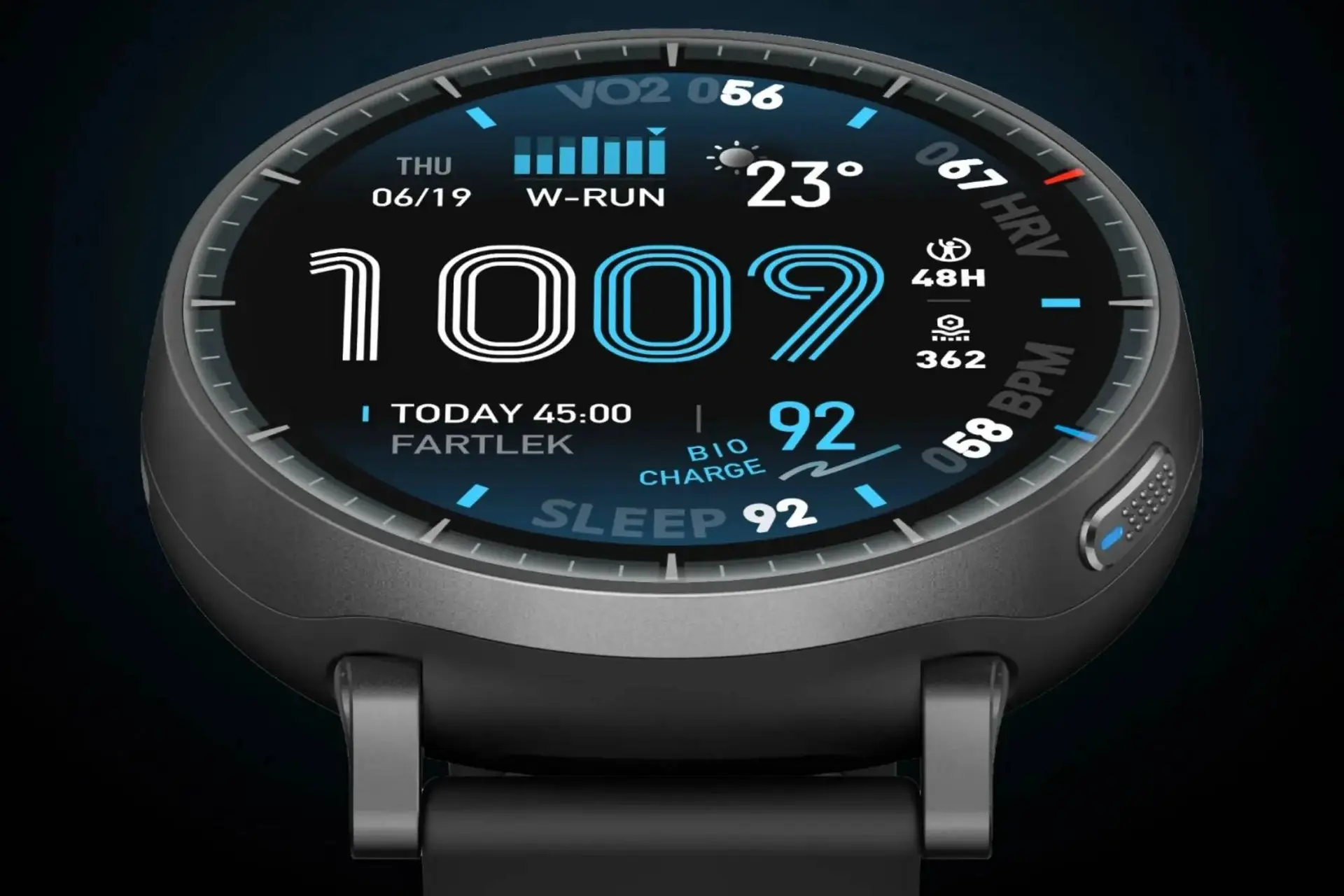
- The Hybrid Training System combines three data layers — BioCharge (recovery and energy), LifeLoad (daily stress), and Training Load (workout intensity) — into a unified dashboard that tells athletes when to push harder and when to rest, running through the Zepp App.
- The Balance 3 also includes 64GB of onboard storage, a built-in speaker and microphone for Bluetooth calls, NFC for digital payments, and a built-in flashlight with red and white light modes.

"The Amazfit Balance 3 doesn't pretend to be a Garmin Fenix or a COROS VERTIX. What it does offer is a compelling middle ground: serious training metrics, dual-band GPS, a 21-day battery, and sapphire glass protection at $369 — roughly half the price of the watches it's functionally competing with."
The Design Shift That Changes the Conversation
Every generation of the Balance series has been described as "lifestyle meets fitness." The Balance 3 drops that framing and replaces it with something more direct: this is a training watch that you can also wear to work. The bolder bezels, more athletic styling, and harder visual identity signal that Amazfit is competing more directly with Garmin's Forerunner line and less directly with the Fitbit and Samsung Galaxy Watch crowd.
Whether the design works for you is personal. But the shift matters because it changes who this watch is for. If you were buying a Balance because it looked good at dinner and happened to track your morning run, the Balance 3 is a slightly less comfortable choice. If you were buying a Balance despite its lifestyle aesthetic because the specs were right, the Balance 3 is now easier to commit to.

The HybridCharge System: More Than a Dashboard
Most fitness watches give you numbers. BioCharge, LifeLoad, and Training Load are all separately useful data points that dozens of competitors offer in some form. What the Hybrid Training System does differently is combine them into a single readiness recommendation. The watch isn't telling you your resting heart rate was elevated last night — it's telling you that between last night's sleep quality, today's workplace stress load, and yesterday's training intensity, your current capacity for a hard workout is at 62%. Train easy or rest.
That synthesis is where the value sits. The HYROX support is the specific sports use case that no competitor has addressed directly — dedicated training plans, transition simulations, and race-specific pace guidance for an event that has grown significantly in participant numbers over the past two years.

Storage, Calls, and Practical Daily Features
The 64GB internal storage is worth calling out explicitly. Most smartwatches at this price point offer 4GB to 8GB of music storage. 64GB allows offline music libraries, downloaded map packages for long trail runs, and ample log storage without ever needing to manage space manually. The Bluetooth speaker and microphone enable call handling directly from the wrist — a feature that becomes genuinely useful when your phone is in a jersey pocket on a long bike ride.
Popular News

Latest News
Loading