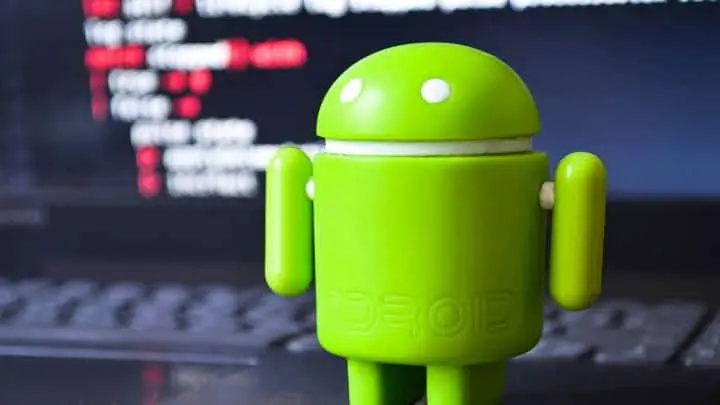
Google is drastically changing how the public accesses Android. On January 6, 2026, the company announced that the Android Open Source Project (AOSP) will move to a biannual release schedule. Starting this year, source code drops will only occur in Q2 and Q4. Historically, Google provided code for all four quarterly updates, giving developers a fresh look at the OS every three months. This change marks a fundamental shift in transparency for the mobile ecosystem.

The Shift to "Trunk-Stable"
Google’s official justification centers on its "trunk-stable" development model. This internal engineering strategy aims to keep the main code branch in a shippable state at all times.
- Single Branch: Instead of multiple long-lived branches, engineers work on one main internal "trunk."
- Feature Flags: New capabilities are hidden behind digital switches until they are fully stable.
- Release Logic: Google claims this reduces merge conflicts and allows for a more "robust" platform foundation.
- Simplification: A spokesperson noted that managing fewer public branches eliminates complexity for OEM partners and internal teams alike.
Impact on the Developer Ecosystem
For the first time, independent developers will face a six-month wait for official platform source code.
- Custom ROMs: Projects like LineageOS and GrapheneOS may struggle to integrate feature updates as quickly as before.
- Transparency Concerns: Open-source advocates argue this move "moves Android behind closed doors" for longer periods.
- OEM Advantage: Major partners like Samsung and OPPO often have private access, meaning the public AOSP delay primarily hurts smaller community-driven projects.

Monthly Security Remains Frequent
Crucially, security is not being throttled.
- Monthly Patches: Google confirmed that monthly security bulletins will continue as normal.
- Security Branches: Fixes will be pushed to a dedicated, security-only branch every month.
- Separation: Feature code is now technically decoupled from the monthly vulnerability pipeline. This ensures that even if feature code is delayed, the devices remain protected against known exploits.
Conclusion of the Shift
While Google claims this helps simplify development, the move has stirred the developer community. By reducing public drops, the barrier to entry for independent forks of Android grows higher. 2026 will be the testing ground for this biannual model.
Popular News



Latest News
Loading