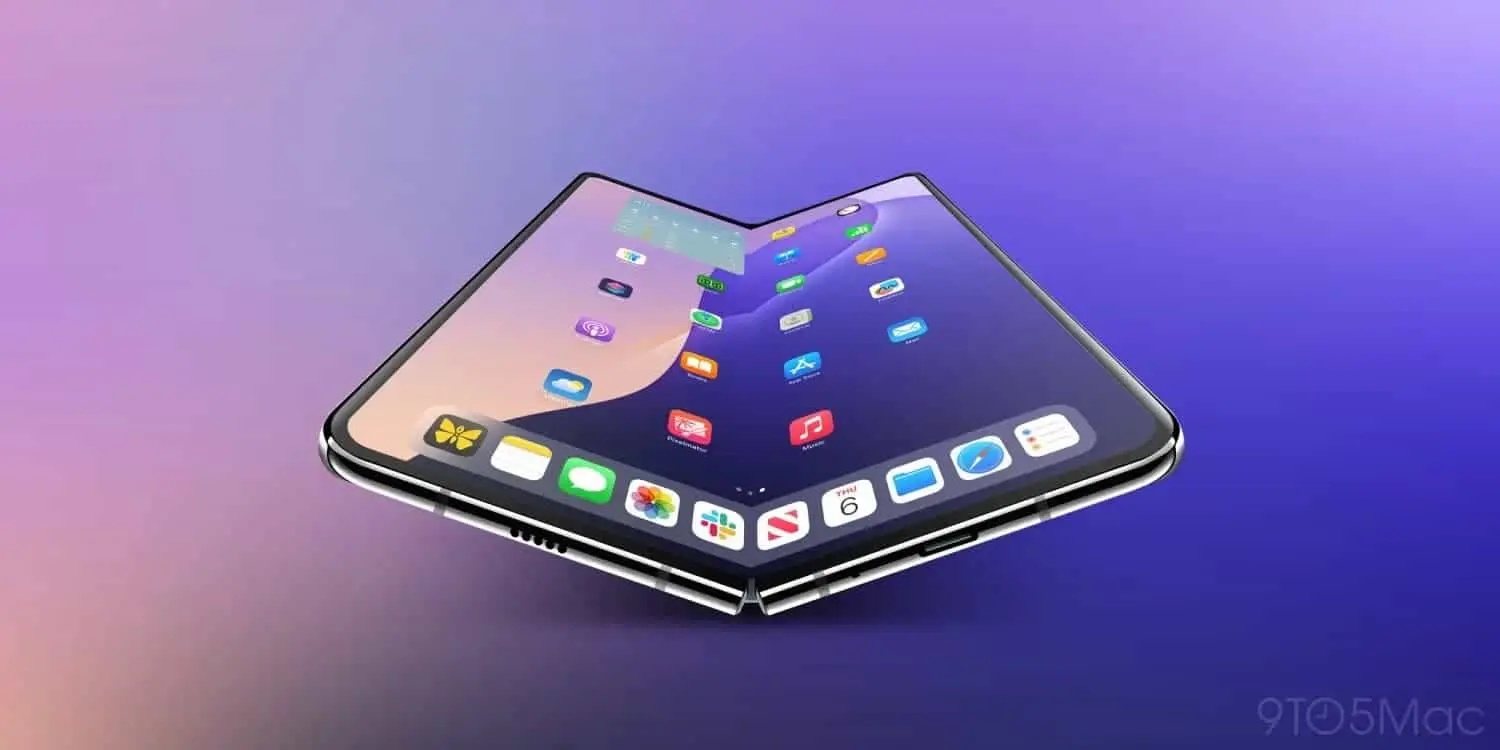
Apple is finally doing it. The foldable iPhone is real — or at least real enough that Bloomberg's Mark Gurman is laying out specifics, and Gurman doesn't throw details around carelessly. The device is shaping up to be something genuinely different from what Samsung and others have been selling for years, and the interface direction is where it gets interesting.
This isn't just a phone that bends. Apple is rethinking what the screen does when it opens up.

Key Points
- Apple's foldable iPhone features an internal display roughly the size of an iPad mini, with iPad-like sidebar navigation and split-screen multitasking
- The device runs iOS, not iPadOS, keeping multitasking simpler than a full iPad experience
- Face ID is replaced by side-button Touch ID — the first iPhone fingerprint sensor since iPhone SE 3rd gen
- Two rear cameras replace the three-camera setup on current flagship iPhones, a notable trade-off
- Expected pricing is around $2,000, positioning it as Apple's most premium smartphone to date
An iPad Mini That Fits in Your Pocket
The internal display is reportedly iPad mini-sized, with a wider aspect ratio built for video, productivity, and running two apps simultaneously side by side. The layouts will borrow heavily from iPad — sidebar navigation, adapted app interfaces, the works. But here's the notable part: it runs iOS, not iPadOS. Apple is keeping the multitasking simpler than the iPad experience, which is either a smart call or a frustrating limitation depending on what you want from the device.

The external screen stays compact, handling basic tasks without requiring you to unfold the whole thing. Practical. Sensible. Very Apple.

Touch ID Is Back — Face ID Is Out
The foldable's thin design forced some real trade-offs. Face ID is gone, replaced by Touch ID built into the side button — the first iPhone with a fingerprint sensor since the iPhone SE 3rd generation. The hole-punch camera replaces the pill cutout on the outer screen, while the inner display uses a visible cutout too, after under-display camera testing apparently hurt image quality.
Two rear cameras on the back, down from three on current flagships. That's a concession worth noting at a $2,000 price point.
The Crease Problem and the Price Problem
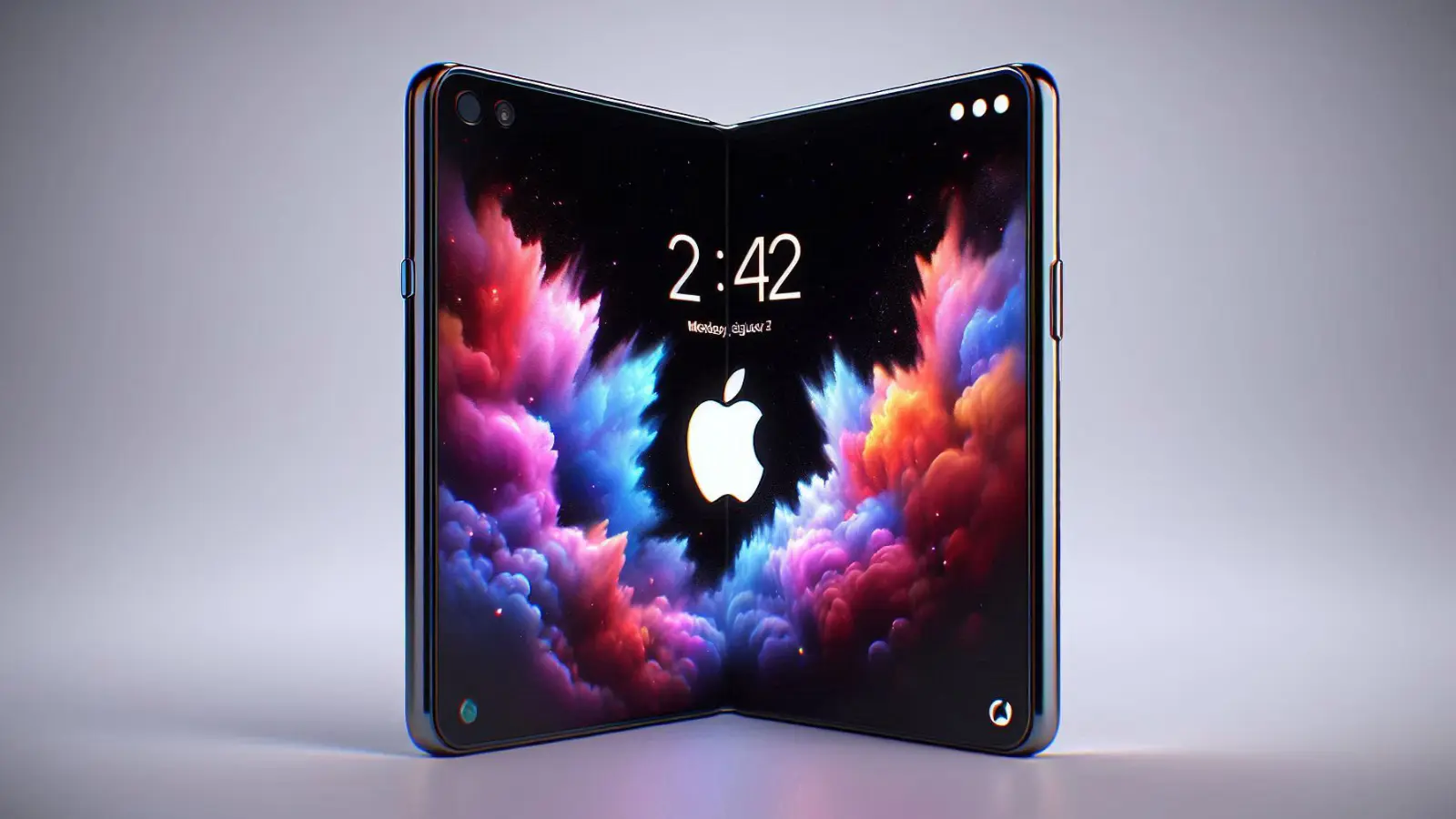
Apple has worked hard to minimize the fold crease without fully eliminating it — honest engineering, but competitors will pounce on that caveat. Durability improvements are in too, with the hinge rated for significantly more open-close cycles.
Dynamic Island survives the transition, keeping notification and activity visibility intact across both display states.
At roughly $2,000, Apple is positioning this above every iPhone currently in the lineup. The larger display and multitasking features are meant to justify that gap. Whether buyers agree is the $2,000 question.
Popular News



Latest News
Loading