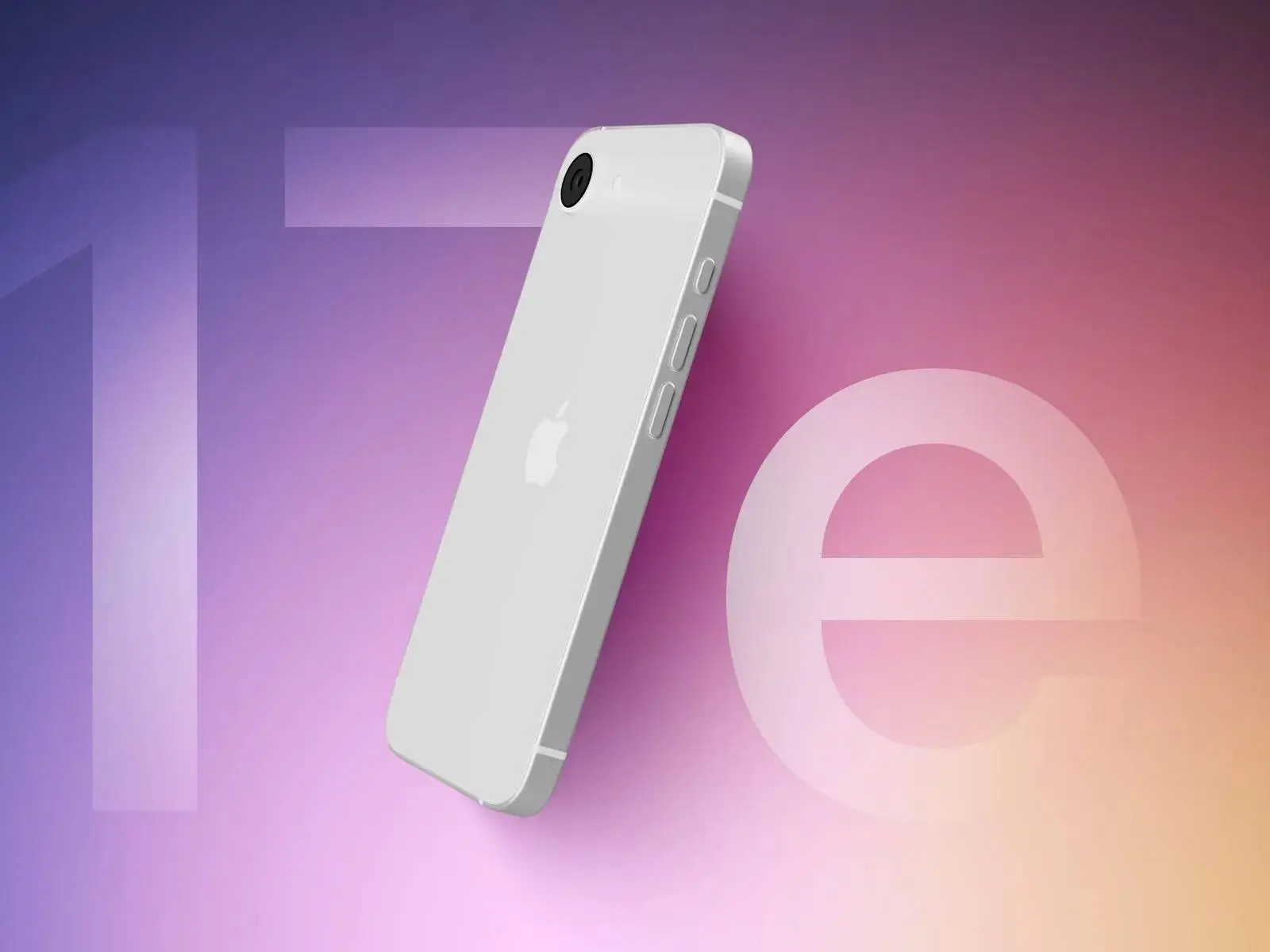
iPhone 17e prices dropped before the phone even launched officially. The 256GB model costs ¥4,199 (around $580) now. Add a ¥300 ($41) coupon and you're paying ¥3,899 ($539). That's a "破发" (pò fā) situation—selling below expected retail price before launch day.

Key Points:
- iPhone 17e 256GB model priced at ¥4,199 ($580), drops to ¥3,899 ($539) with ¥300 ($41) coupon before launch
- "Price break" (破发) indicates selling below expected retail price pre-launch
- Apple targeting broader market share across multiple price segments aggressively
- Chinese domestic brands struggling with rising costs and margin pressure
- ¥3,899 ($539) pricing directly competes with Chinese flagship phones in same price tier
Why Apple's Doing This
Apple wants bigger market share across all price segments. They're famous for huge profit margins. Usually they keep prices high and margins higher. This time they're dropping prices aggressively instead.
The iPhone 17e and standard iPhone 17 both aim at broader audiences. So does the new MacBook Air Neo. All positioned cheaper than typical Apple launches.
Chinese domestic brands are struggling meanwhile. Some raise prices while offering tiny upgrades. Others eat costs through subsidies trying to maintain market share without hiking prices. Both strategies hurt profits badly.
Apple's swooping in with lower pricing while everyone else struggles financially. Smart timing.
The Competitive Landscape
Domestic smartphone makers face tough choices. Raise prices and lose customers. Keep prices flat and destroy margins. Neither option is good.
Component costs keep rising. Memory prices spiked. Processors cost more. But Chinese brands can't pass those costs to customers easily. Competition is too fierce. Raising prices means losing sales to competitors immediately.
Apple doesn't face the same constraints. Their ecosystem lock-in and brand loyalty let them price more flexibly. Dropping the iPhone 17e to ¥3,899 ($539) still leaves healthy margins probably.

What This Means
¥3,899 ($539) for 256GB iPhone 17e is genuinely competitive against Chinese flagships now. Many domestic brands sell similar-spec phones for ¥3,500-¥4,500 ($484-$622). Apple just landed right in that range.
Before, iPhones cost ¥1,000-¥2,000 ($138-$276) more than Chinese competitors with similar specs. That price gap kept lots of buyers choosing domestic brands. Now that gap shrinks dramatically.
The "price break" before launch signals confidence. Apple clearly believes they can sell massive volumes at this price. Otherwise they wouldn't drop below expected retail before even starting sales.
Market Impact
Chinese brands already struggling with margins now face Apple competing directly in their price tiers. That's brutal for companies like OPPO, Vivo, and Xiaomi whose flagships cost ¥3,500-¥4,500 ($484-$622).

Apple's leveraging their profit margin advantages and ecosystem strength to grab market share aggressively. The iPhone 17e at ¥3,899 ($539) puts pressure on everyone selling phones between ¥3,000-¥5,000 ($415-$691).
Whether this succeeds long-term depends on execution. Can Apple maintain quality at lower prices? Will customers actually switch from Android ecosystems? Next few quarters will show if this strategy works or backfires.
Popular News

Latest News
Loading