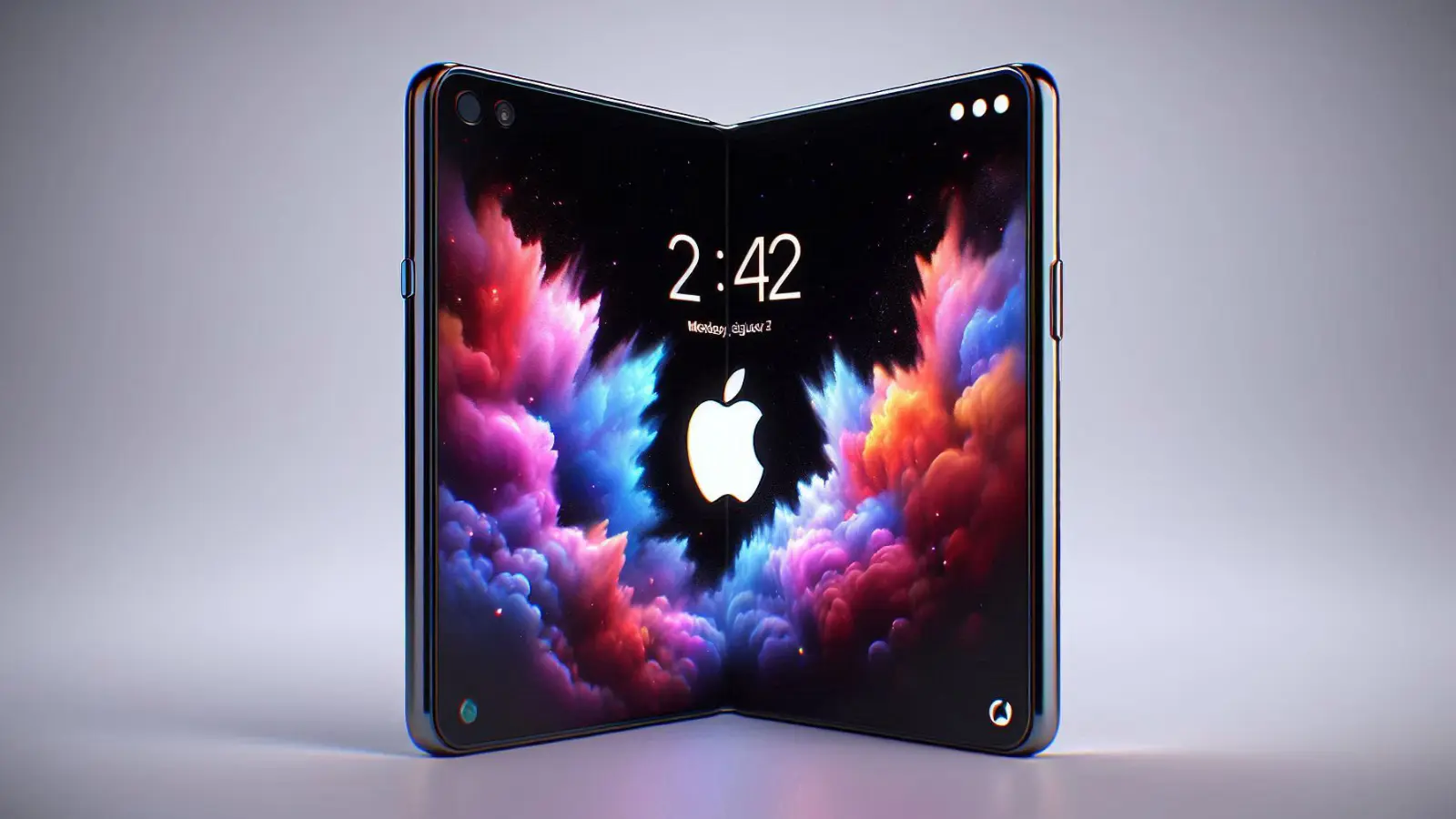
The tech works now. That's not the problem anymore. Foldable phones in 2026 are genuinely good. The creases are better. Battery life is solid. The software handles the form factor properly. Manufacturers figured out the hard stuff.
But the sales numbers? Still niche. Still nowhere close to mainstream. And one number explains exactly why.
Key Takeaways:
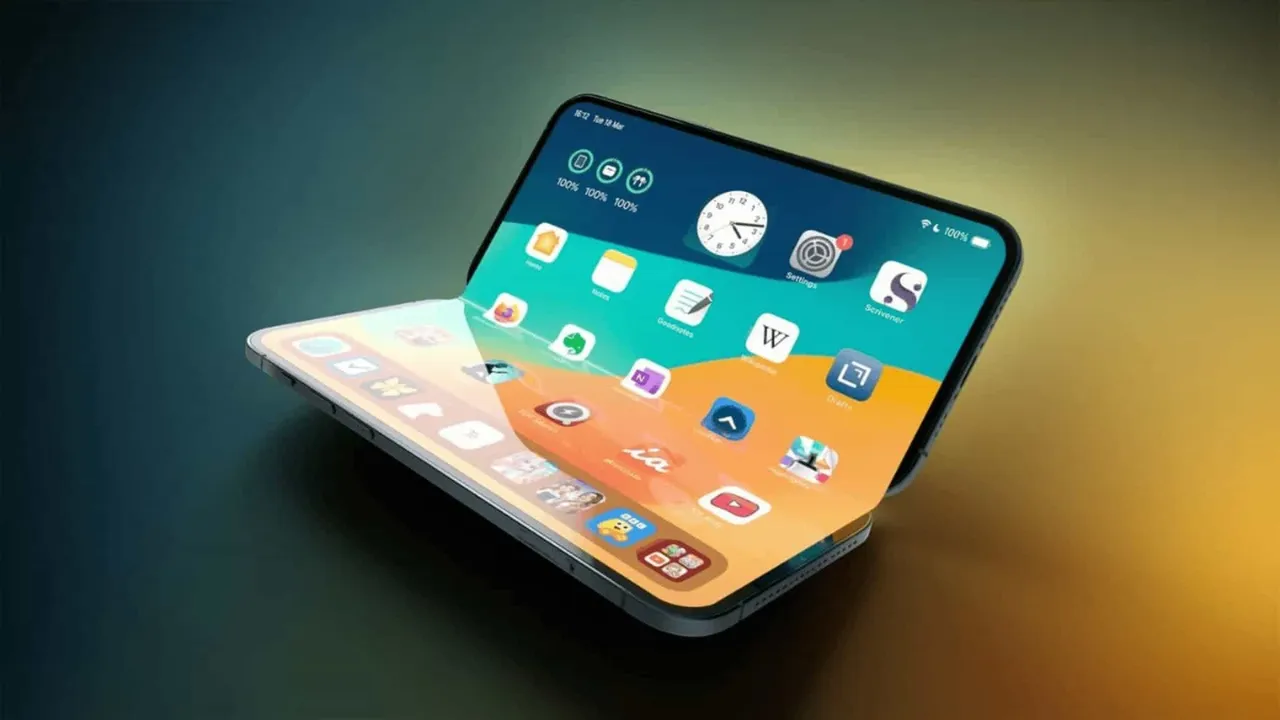
- Foldable phones have largely solved their technical problems — creases, battery, software — but remain stuck at ~10,000 yuan price points that block mass adoption
- The iPhone Fold is expected to potentially double large foldable sales, but doubling a niche figure still leaves the category far from mainstream
- The iPhone 17 Pro Max sold over 10 million units in months; total combined foldable sales across all brands don't match that — a stark illustration of the scale gap
- Mass market status for foldables requires significant price drops, not just incremental hardware improvements or high-profile launches
- The industry's unsolved problem in 2026 is economic, not technical — and no manufacturer has yet demonstrated a credible path to affordable foldables
10,000 Yuan. That's the Wall.
Most foldables today sit around the 10,000 yuan (~1200 EUR) mark. That's not a flagship premium — that's a different category entirely. It prices out the vast majority of buyers before they even consider making a switch.
Mass market doesn't mean "popular with enthusiasts." It means market share. Real, meaningful penetration across average consumers. At 10,000 yuan, foldables aren't close to that. Not even remotely.
The hardware problems got solved. The pricing problem didn't.

iPhone Fold Changes the Conversation. Not the Math.
Apple is entering the foldable market this year. And yes — it matters. A lot.
The iPhone Fold is expected to potentially double sales in the large foldable segment. That's a genuine impact. Apple brings credibility, marketing muscle, and a loyal buyer base that trusts new form factors when Cupertino endorses them.
But here's the catch. Doubling a niche number still gives you a niche number.
Consider this: the iPhone 17 Pro Max sold over ten million units in just a few months. That's a single traditional smartphone model. Meanwhile, every foldable phone combined — every brand, every model, across the whole category — doesn't hit that figure.
If the iPhone 17 Pro Max isn't considered "mass market" by total volume standards? Foldables aren't even in the same conversation yet.

The Technical Problems Are Solved. The Economic One Isn't.
This is what the industry doesn't say loudly enough.
Engineers cracked the crease. Software teams adapted their interfaces. Hinge durability improved dramatically. By almost every technical measure, foldables earned their place as legitimate daily drivers.
But none of that cuts the price. Manufacturing complex folding displays at scale still costs significantly more than flat glass. That cost lands on the buyer. Every time.
The iPhone Fold will boost interest. It'll move units. It'll probably set a new ceiling for what a foldable can be. But it almost certainly won't launch at a price that unlocks mass adoption — Apple doesn't do budget, after all.
Until someone figures out how to build a foldable for 4,000 yuan that doesn't feel like a compromise? This category stays premium. Impressive, but premium.
The puzzle isn't technical anymore. It's economic. And in 2026, nobody's cracked it yet.
Popular News

Latest News
Loading