Lei Jun on the New SU7: Too Many Orders at Once Is Actually a Problem
CarsWednesday, 18 March 2026 at 09:06
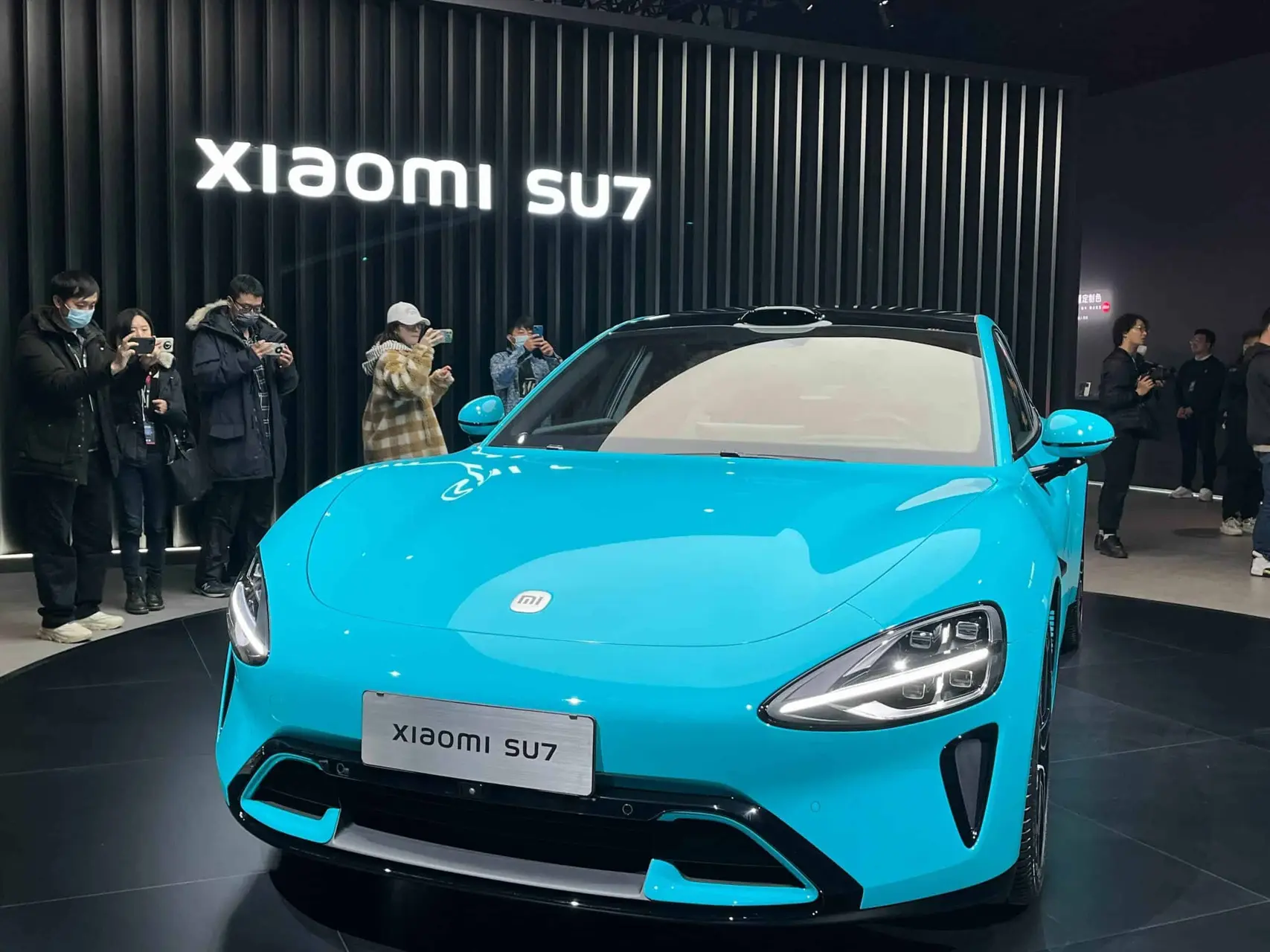
It sounds like a good problem to have. A million pre-orders, servers crashing, waiting lists stretching for months — that's success, right? Lei Jun isn't so sure. The Xiaomi CEO just pushed back on the idea that maximum initial orders equals maximum success, and his reasoning is worth taking seriously.
The first-generation SU7 and YU7 both sold faster than Xiaomi could build them. Customers waited. Complaints followed. The excitement of launch day curdled into frustration over delivery timelines, and that's not a great way to start an ownership relationship with a brand new car brand.

Key Points
- Lei Jun stated that overwhelming initial orders are not ideal, citing delivery timeline problems from the SU7 and YU7 launches
- Xiaomi began large-scale mass production of the new SU7 two months ahead of launch to address supply-demand imbalance
- The goal is matching delivery speed to demand rather than maximizing day-one order numbers
- Lei Jun argues that balancing production and sales is the only real solution to the customer experience problem
- No manufacturer can prepare infinite supply — Xiaomi is trying to get closer to realistic readiness before orders open
The First Generation Taught Them Something
The original SU7 launch was a phenomenon. Two hundred thousand YU7 orders in three minutes was a headline that traveled globally. But behind those numbers was a growing queue of customers waiting months for a car they'd already paid for — and that waiting breeds resentment faster than almost anything else in consumer products.

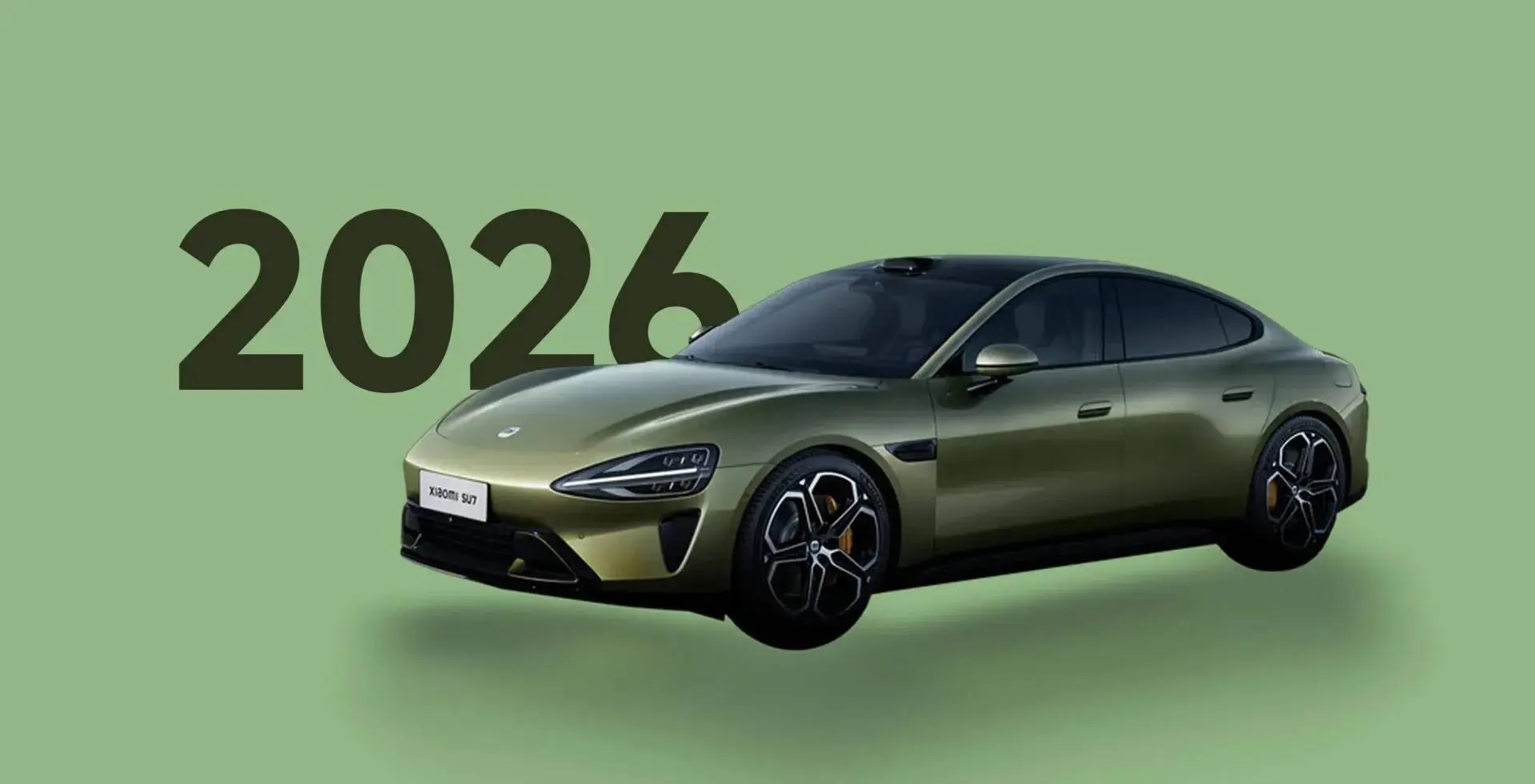
Lei Jun is essentially admitting the launch strategy needed refinement. Starting mass production two months earlier than planned for the new SU7 is the practical response to that lesson. It won't eliminate wait times entirely, but it closes the gap between demand spike and delivery reality meaningfully.
"More Is Not Always Better" — He's Right
The logic holds up. A car isn't a software update or a phone app — you can't push delivery digitally. Every vehicle requires physical manufacturing time, logistics coordination, and quality checks before it reaches a driveway. When orders outpace that pipeline by a factor of ten, the math doesn't work regardless of how hard the factory runs.
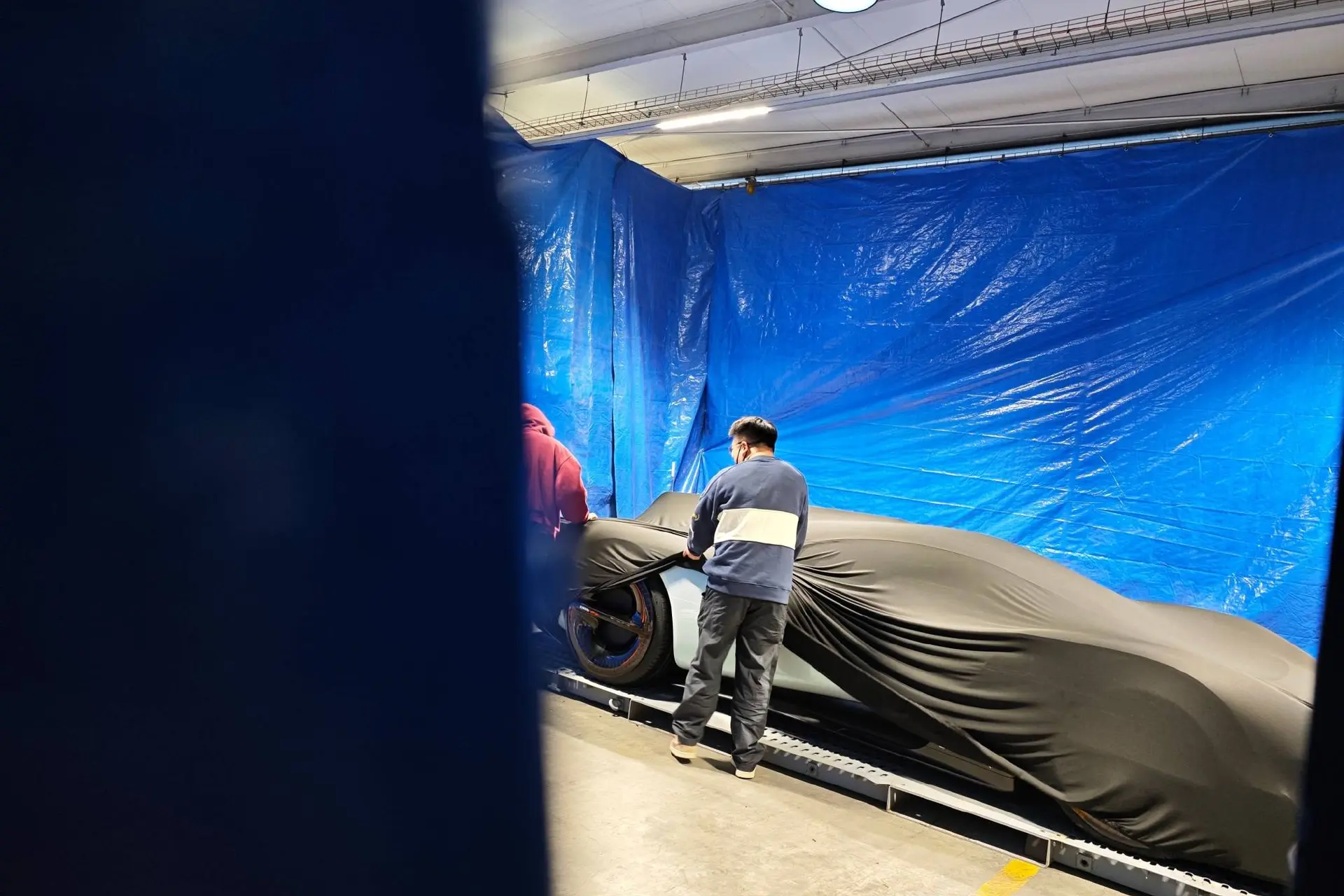
Managing expectations and matching supply to demand before launch rather than scrambling after is a more mature operational approach. It might mean smaller headline order numbers on day one. It should mean considerably fewer angry customers six months later.
For a brand still building its automotive reputation, that trade-off seems obvious.
Popular News





Latest News
Loading