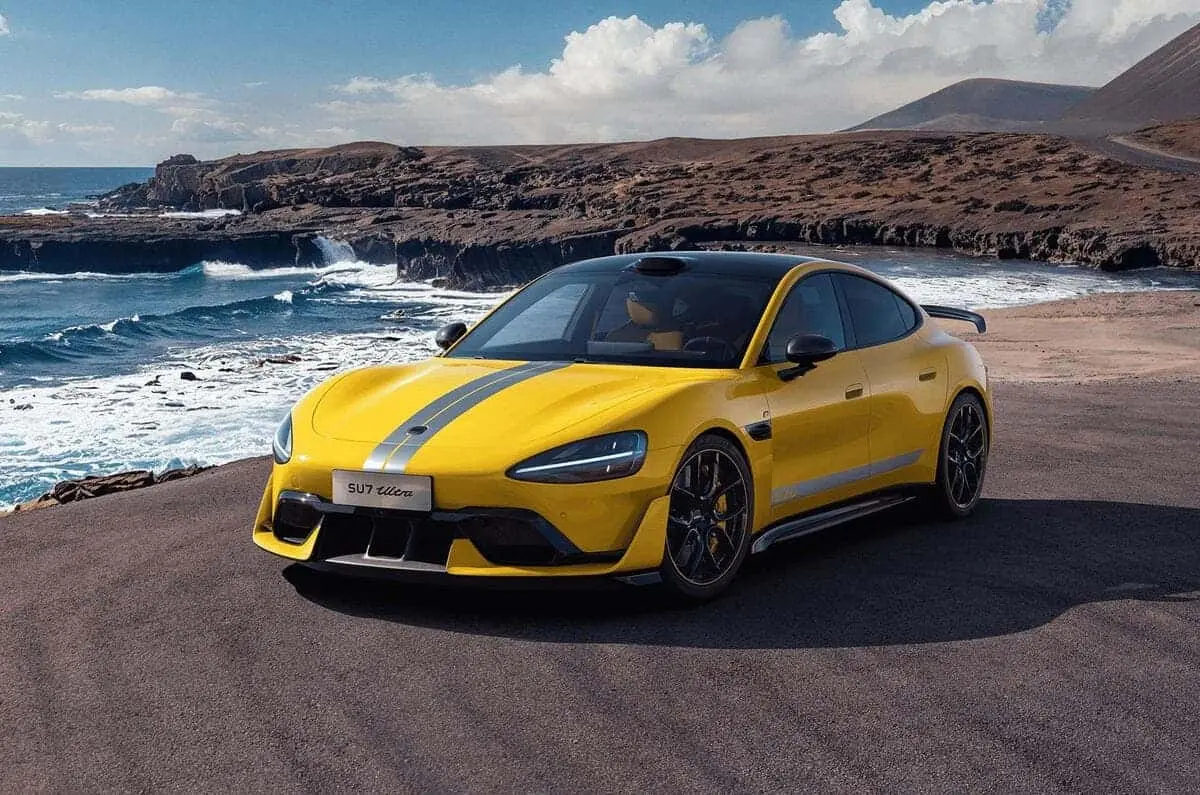
Xiaomi is moving with breakneck speed to cement its place in the automotive world. In a bold bid to blanket China with physical retail locations, the tech giant just unleashed a 100 million yuan ($14 million) incentive package for its dealer network.
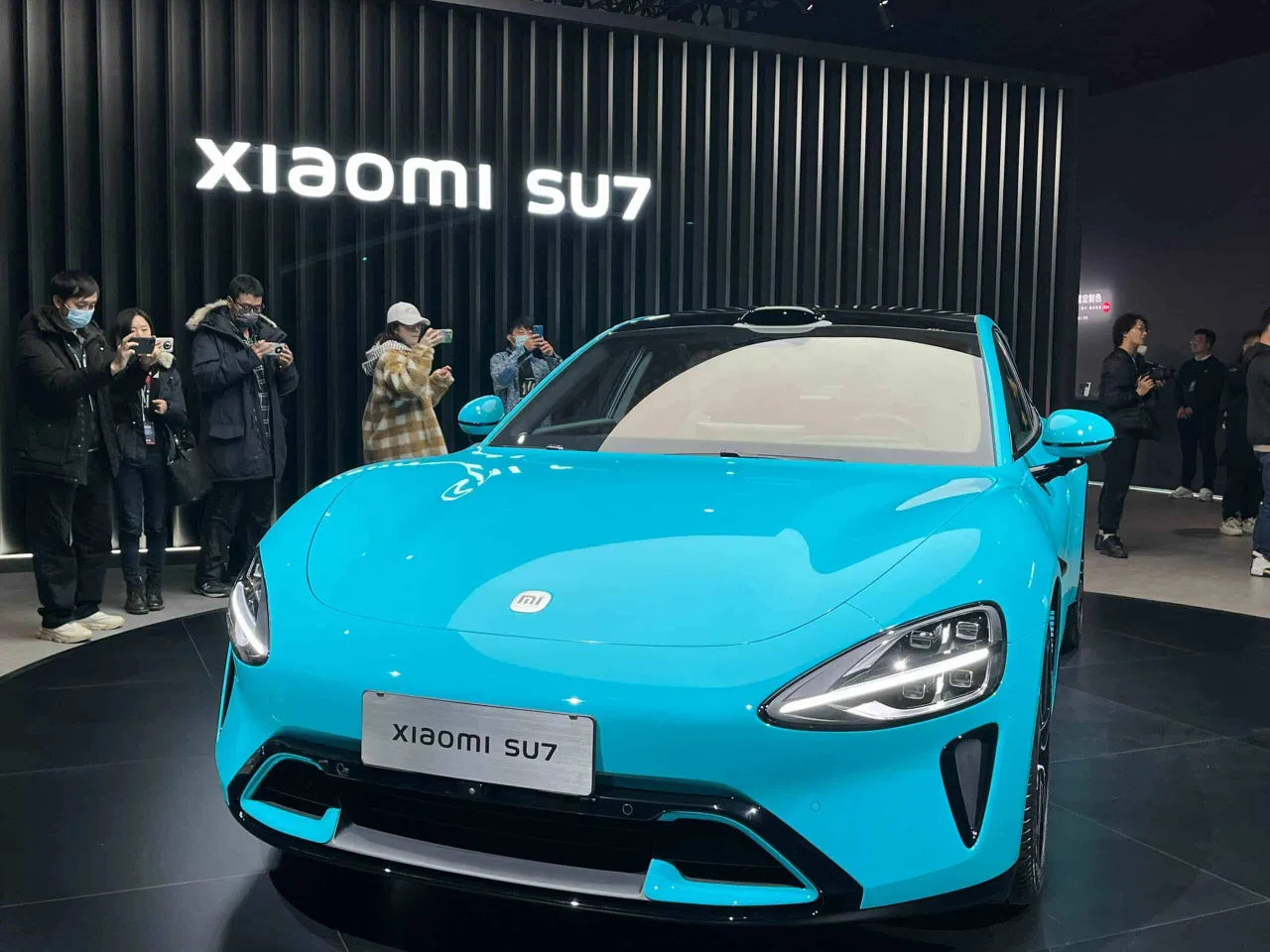
This isn’t just about putting cars in showrooms; it’s a strategic "red envelope" campaign designed to ensure that if you live in a major Chinese city, you’re never more than a short drive away from a Xiaomi Auto store.
Key points
- Massive Subsidy: Xiaomi distributed over 100 million yuan ($14M) to dealers to accelerate offline channel growth.
- Tiered Rewards: Stores completed by Dec 15, 2025, receive a substantial 500,000 yuan ($70k) unconditional subsidy.
- Sales Success: Xiaomi retailed 46,249 vehicles in Nov 2025, with the YU7 SUV leading at 33,729 units.
- Aggressive Footprint: The network grew to 441 stores in 131 cities, with 36 more planned for late December.
- New Policy Phase: Xiaomi is preparing more flexible store management and incentive schemes for 2026.

The "No Strings Attached" Subsidy
What makes this plan unusual is its simplicity. Unlike most manufacturer incentives that are tied to strict sales quotas or customer satisfaction scores, Xiaomi is essentially paying for presence.
- Early Adopters: Stores established in 2024 are receiving a 100,000 yuan (~$14,000) "thank you" check.
- The December Dash: Dealers who managed to complete their stores before December 15, 2025, are being rewarded with a massive 500,000 yuan (~$70,000) subsidy.
These payments are unconditional. Xiaomi’s logic seems to be that by removing the immediate financial pressure of opening a new outlet, they can scale their physical footprint much faster than rivals who are still bogged down in traditional dealer-performance metrics.
Rapid Expansion by the Numbers
The strategy is clearly working. In November alone, Xiaomi added 17 new stores, bringing its total to 441 locations across 131 cities. But they aren’t stopping there. The goal for December is to open another 36 stores, pushing into seven new cities including Mianyang and Hengyang.
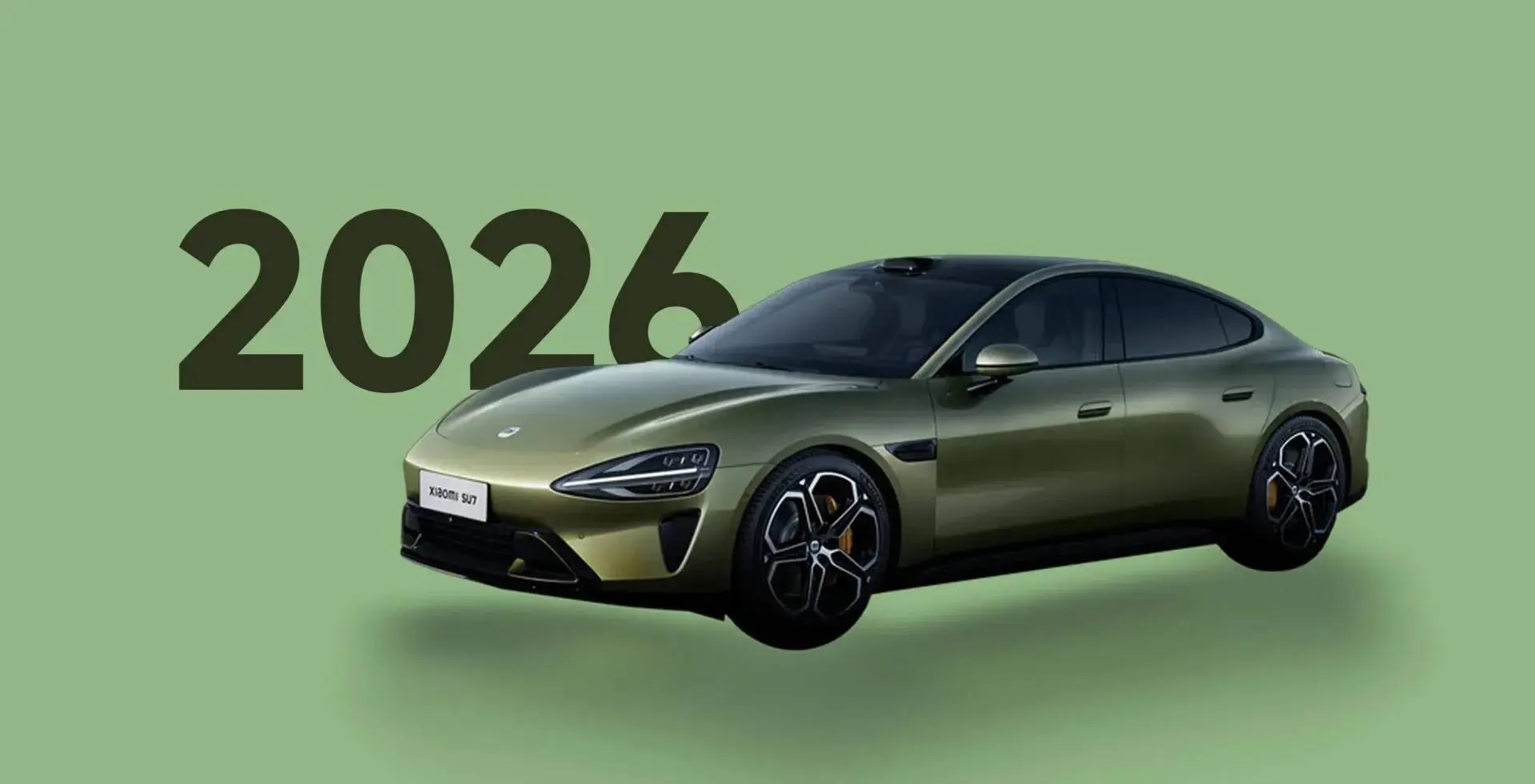
On the sales front, the YU7 SUV (Xiaomi’s answer to the Tesla Model Y) has become the brand’s heavy lifter. In November, it accounted for over 33,000 of the 46,249 total units sold, proving that Xiaomi’s pivot from sedans (the SU7) to SUVs was the right call for the mass market. With a target of over 400,000 deliveries for 2025, Xiaomi is proving that its "smartphone speed" can translate to the assembly line.
Popular News


Latest News
Loading