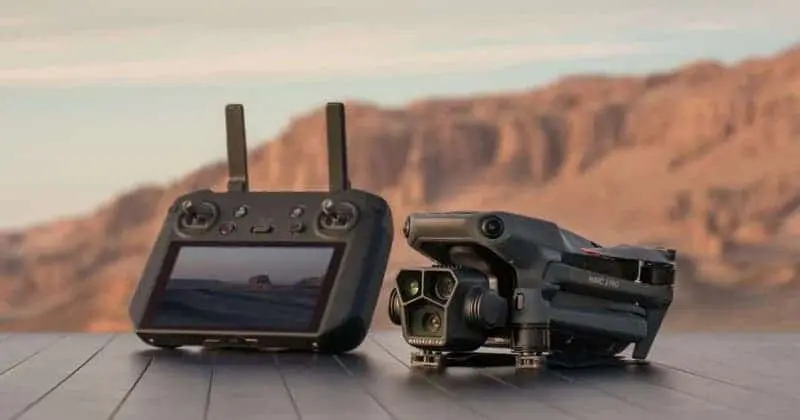
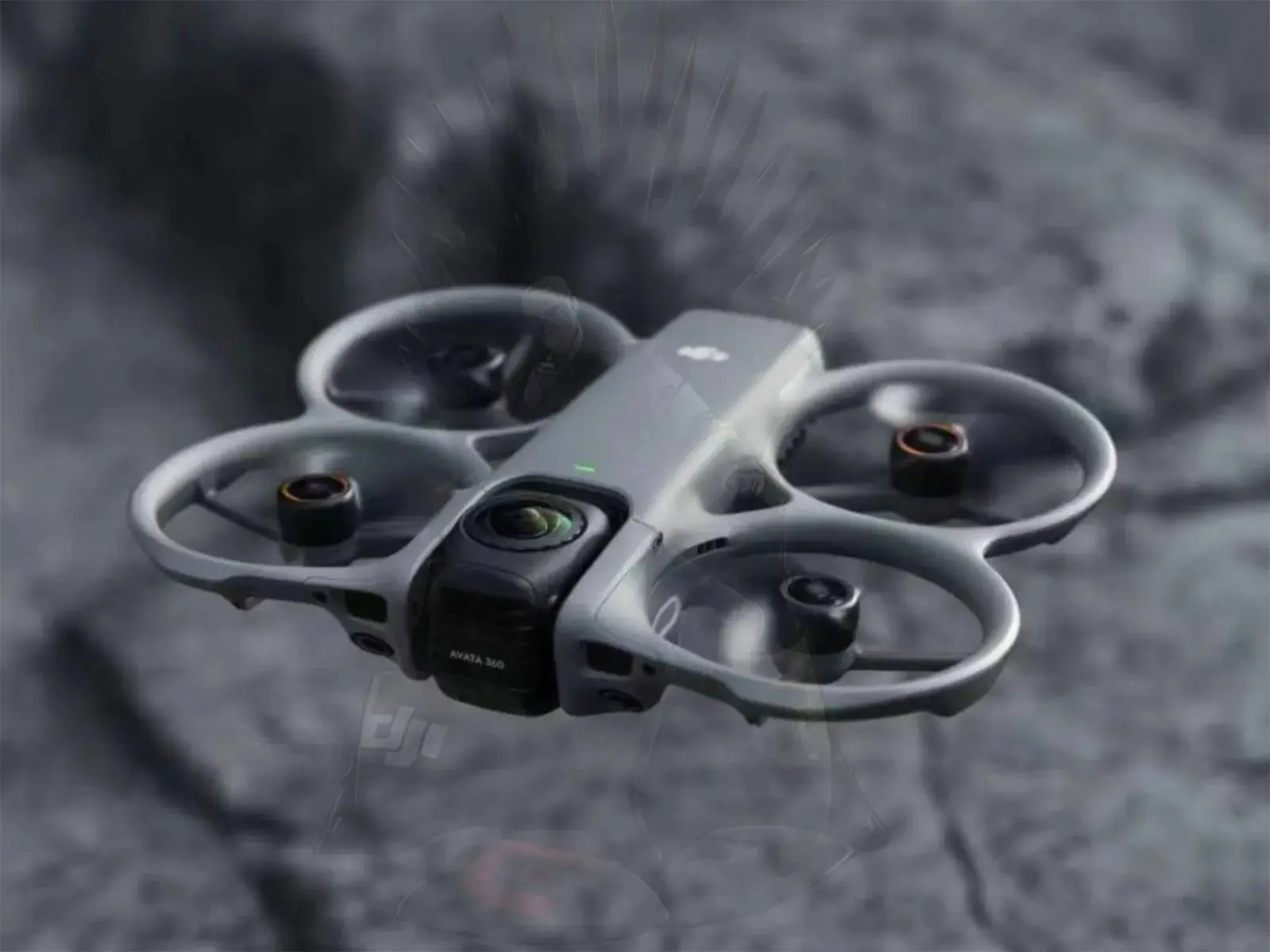
DJI just filed a patent ownership lawsuit against Insta360 in the Shenzhen Intermediate People's Court, and this one has layers. It's not a standard infringement claim. DJI is arguing it owns six patents that Insta360 currently holds — because the people who invented them used to work at DJI.
First time DJI has taken this kind of domestic legal action in China. That alone signals how seriously the company is treating this.

Key Points
- DJI filed six patent ownership claims against Insta360 in Shenzhen Intermediate People's Court — the first such domestic lawsuit by DJI in China
- Patents in dispute cover drone flight control systems, structural design, and image processing technologies
- Key inventors listed in international filings are identified as former DJI core R&D employees
- DJI argues the inventions were created within one year of those employees leaving, and relate directly to their work at DJI
- The Shenzhen court has officially accepted the case — proceedings are underway
The Inventor Anonymity Detail Is Telling
Here's what makes this case unusual. In Insta360's domestic Chinese patent filings, some inventors requested their names not be disclosed. But the corresponding international applications for the exact same technologies list real names. Those names match former DJI employees who worked directly on drone technology during their time at the company.
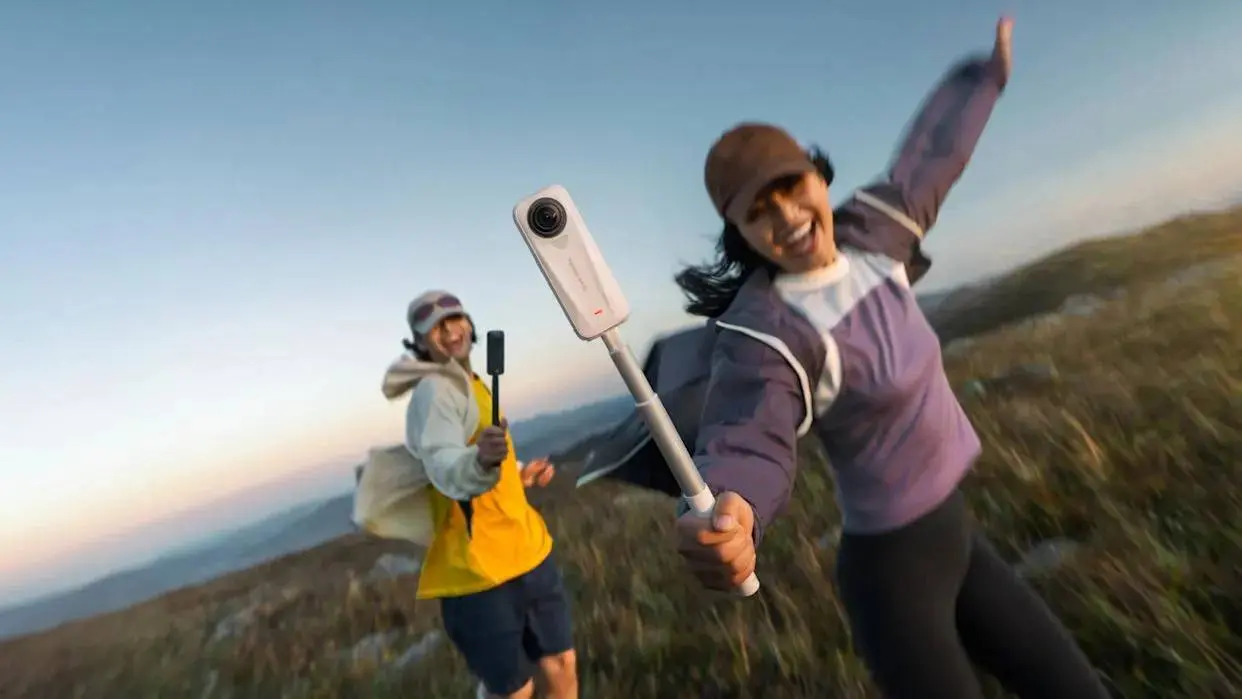
That inconsistency between domestic and international filings is the crack DJI appears to be exploiting legally. Why hide inventor names domestically but disclose them internationally? It's a question the court will presumably want answered.

The One-Year Window Is the Legal Argument
Chinese patent law includes provisions around inventions created within a defined period after an employee leaves a company — particularly when those inventions relate closely to work performed during employment. DJI is leaning directly on that framework. The inventions in question were filed within one year of the relevant employees departing, and DJI argues they cover technology these individuals worked on extensively while on the DJI payroll.
It's a straightforward legal theory. Whether the evidence supports it at the level required for patent ownership transfer is what the court will decide.
Bigger Picture for the Industry
DJI versus Insta360 is a high-profile matchup. Both companies dominate their respective imaging niches — DJI in drones and gimbals, Insta360 in 360-degree cameras with increasing overlap into drone territory. Talent moves between competitors in any industry, but the drone and imaging sector is small enough that key engineers carry significant institutional knowledge when they leave.
This case sets a precedent either way. If DJI wins ownership, it signals that Chinese courts will enforce tight post-employment IP restrictions even on senior technical talent. If Insta360 prevails, it clarifies where those boundaries actually sit in practice.
The industry is watching closely. So should anyone building tech companies in this space.
Popular News


Latest News
Loading