Do You Need a Google Pixel 11 Pro Fold Case? Balancing Slimness, Protection, and Functionality
Google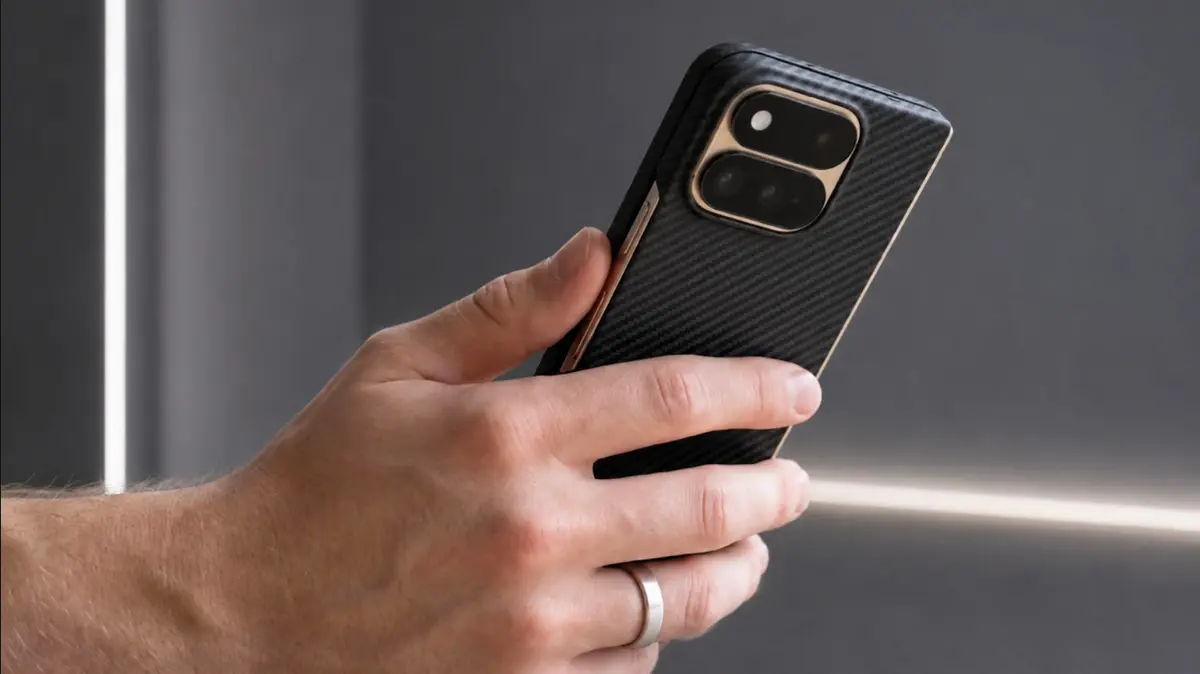
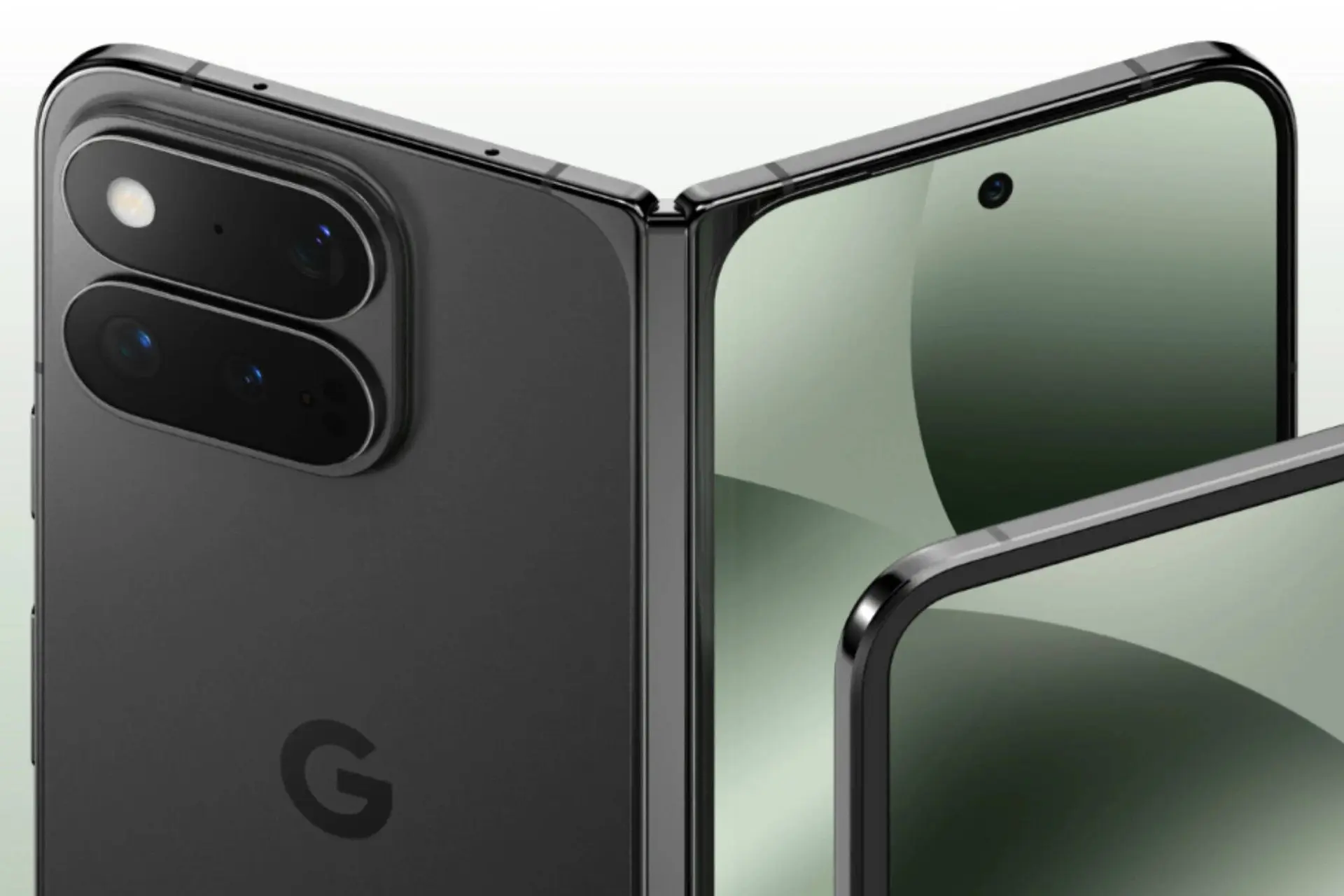
Foldable phones usually follow a common principle: They are designed to give you a large screen in a device that remains relatively easy to carry. However, these devices involve challenging engineering that sometimes makes them more fragile than conventional phones. Some users may want to put a case on their foldables, but their clever design also makes choosing a case a little more complicated. A Google Pixel 11 Pro Fold case should provide enough protection for everyday use without making an already substantial foldable unnecessarily bulky.
For many users, the goal isn't maximum protection. It's finding a sensible balance between protection, comfort, and useful features.
The Right Kind of Protection for the Google Pixel 11 Pro Fold
A foldable can still pick up scratches, scuffs, and damage from everyday bumps and drops. At the same time, adding a thick case can make the phone feel considerably larger when folded.
Your habits should therefore play a role in the type of case you choose. If you frequently drop your phone or use it in demanding environments, a rugged case with more impact protection is probably worth the extra bulk. If you're generally careful with your devices, a thinner case can cover the more common risks without changing the phone's feel too much.
Grip is another factor worth considering. A case with a less slippery surface can make the phone easier to hold and may reduce the chance of accidental drops in the first place.

Case Materials Worth Considering
The material has a direct impact on a case's thickness, grip, and level of protection. Three common options are worth considering:
- Aramid fiber: Known for its high strength-to-weight ratio, aramid fiber can protect against scratches, scuffs, and minor bumps while keeping the case thin. It's particularly well suited to users who want to preserve the phone's slim profile.
- Leather: Leather offers a more traditional, premium feel and develops a unique patina with use. However, it is generally thicker than ultra-thin aramid fiber and requires more care.
- Silicone/TPU: These flexible materials offer good grip and some shock absorption, making them a practical choice for users who want more cushioning. The downside is that thickness and feel can vary significantly between designs.
Functionality is also worth checking. Built-in magnetic compatibility can be useful if you already use wireless chargers, wallets, stands, or other magnetic accessories. Instead of giving up those accessories, you can choose a case designed to work with them.
A Trusted Brand for Google: Slimness Without Unnecessary Bulk
The right case ultimately depends on how you use your foldable. For careful users who want everyday coverage without adding much bulk, a thin phone case can be a practical middle ground.
ThinBorne follows this approach with its Pixel 11 Pro Fold case. It uses 600D aramid fiber with a 0.90 mm profile and includes built-in magnetic compatibility for MagSafe, Qi2, and PixelSnap accessories.
The company also offers a 180-day warranty and a 30-day money-back guarantee. Those details are worth considering alongside the material and thickness, particularly when choosing an ultra-thin case where fit, finish, and long-term durability matter.
Ultimately, you don't necessarily need the thickest case you can find for the Pixel 11 Pro Fold. You need one that matches how you use the phone and provides the level of protection you're comfortable with.
Popular News


Latest News
Loading