The outlook for the
PC market is turning sour as we head into 2026. A recent report from
market tracker IDC suggests that the industry is in for a much rougher ride
than anyone expected just a few weeks ago. Experts now warn that PC shipments
could fall by as much as 9% over the next year. Even the best-case scenarios
show the market shrinking. This is a big change from earlier forecasts, which
had predicted a much smaller dip.

The Impact of the AI Boom
The main reason for
this sudden gloom is a massive shortage of memory chips. Since mid-October, the
supply of these parts has dropped sharply. This isn’t a normal market swing.
Instead, it is being driven by the massive growth of artificial intelligence.
Huge tech companies are buying up all the high-end memory they can find to
build AI servers. Because these chips make more money for manufacturers, they
are moving their production away from the parts used in everyday laptops and
phones. This shortage could last for years as the AI race continues.
Rising Costs for Buyers
This shortage is
hitting smartphones hard, too. Memory is one of the most expensive parts of a
phone, especially for middle-of-the-road models. To deal with the rising costs,
phone makers are likely to raise their prices or sell phones with less memory
than they used to. IDC predicts that smartphone sales could drop by 5% as
people decide to keep their old phones for longer rather than paying more for a
new one with lower specs.
The Struggle for AI PCs
The timing couldn't be
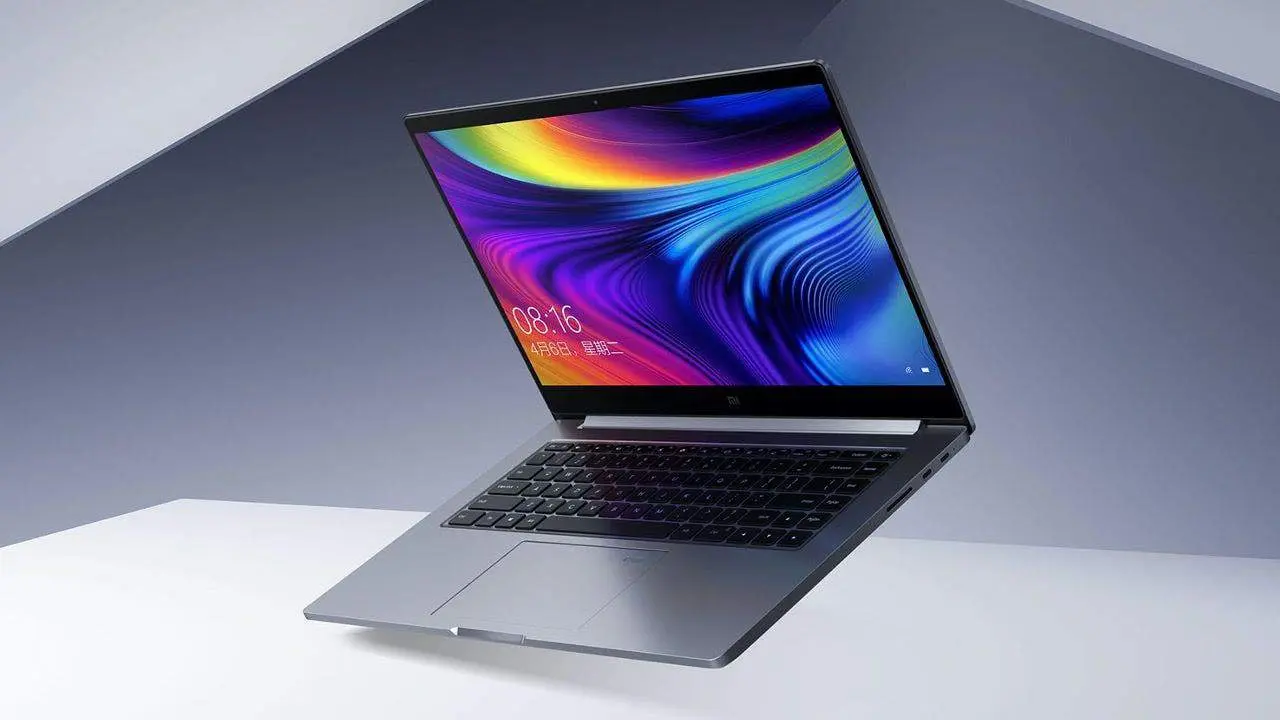
worse for the computer industry. Companies are currently trying to sell
"AI PCs" that need a lot of memory to work. For instance, some of Microsoft's latest AI tools won't even
run unless your computer has at least 16GB of memory. At the same time,
memory prices are going up, which means these new computers will be even more
expensive. Many shoppers feel like they are being asked to pay an extra
"AI tax" for features they might not even want yet. Prices for new
PCs are expected to jump by nearly 8%, which could scare off many buyers.
A Changing Market Landscape
In this tough
environment, the biggest names in the business have a clear advantage.
Companies like Dell, HP, and Lenovo have the money and the long-term deals to
get the parts they need. Smaller brands and people who build their own gaming
PCs will likely struggle the most. While 2026 was supposed to be a great year
for sales because of the end of Windows 10 support, it is now looking like a
year of empty shelves and higher price tags.
Popular News


Latest News
Loading