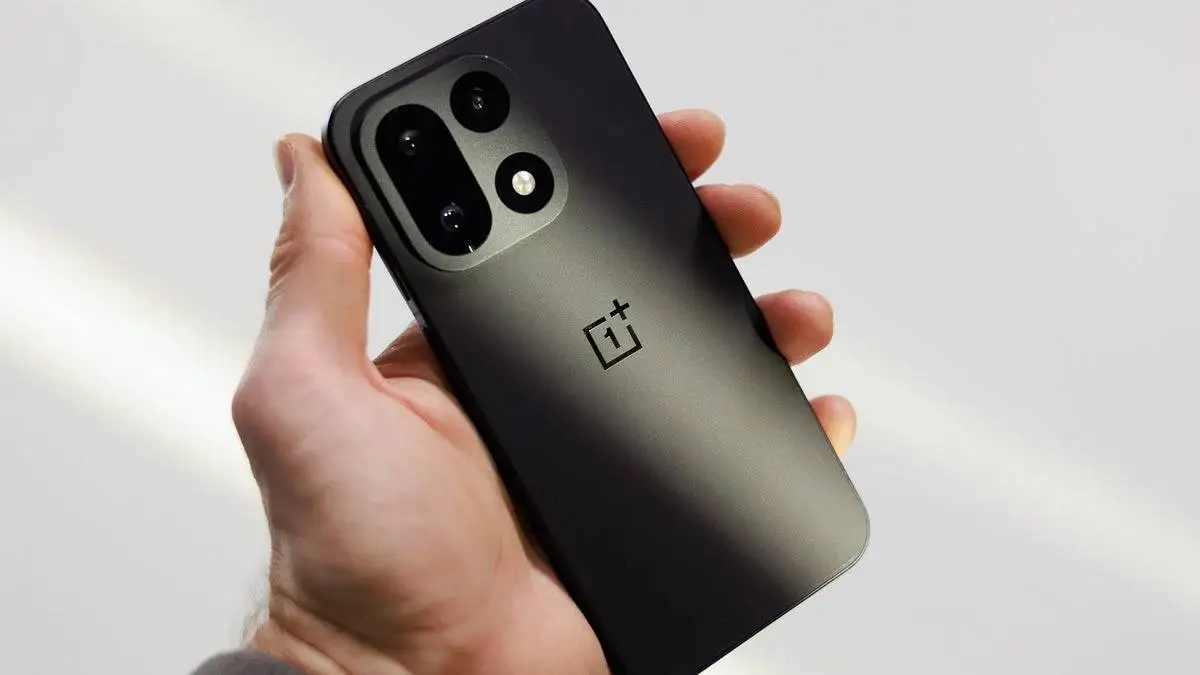
Phone screens are about to get faster again, and OnePlus wants to be first in line. Weibo tipster Smart Pikachu says the OnePlus 17's screen has now passed testing at 240Hz, along with a 185Hz mode that runs across the whole system. It's an impressive number. The catch is that most people reading this may never get to buy one.
What did the leak say?
The new post is short. It says the 240Hz panel and the system-wide 185Hz mode have both cleared testing. Back in October, the same tipster said OnePlus was only testing 240Hz, so this sounds like a step forward.
For reference, the OnePlus 16 launched in China on October 12. Day to day, that phone tops out at 165Hz, and only supported games unlock 185Hz. If the new leak is right, the OnePlus 17 would make 185Hz its everyday speed and save 240Hz for games or other special modes.
Who is making these 240Hz screens?
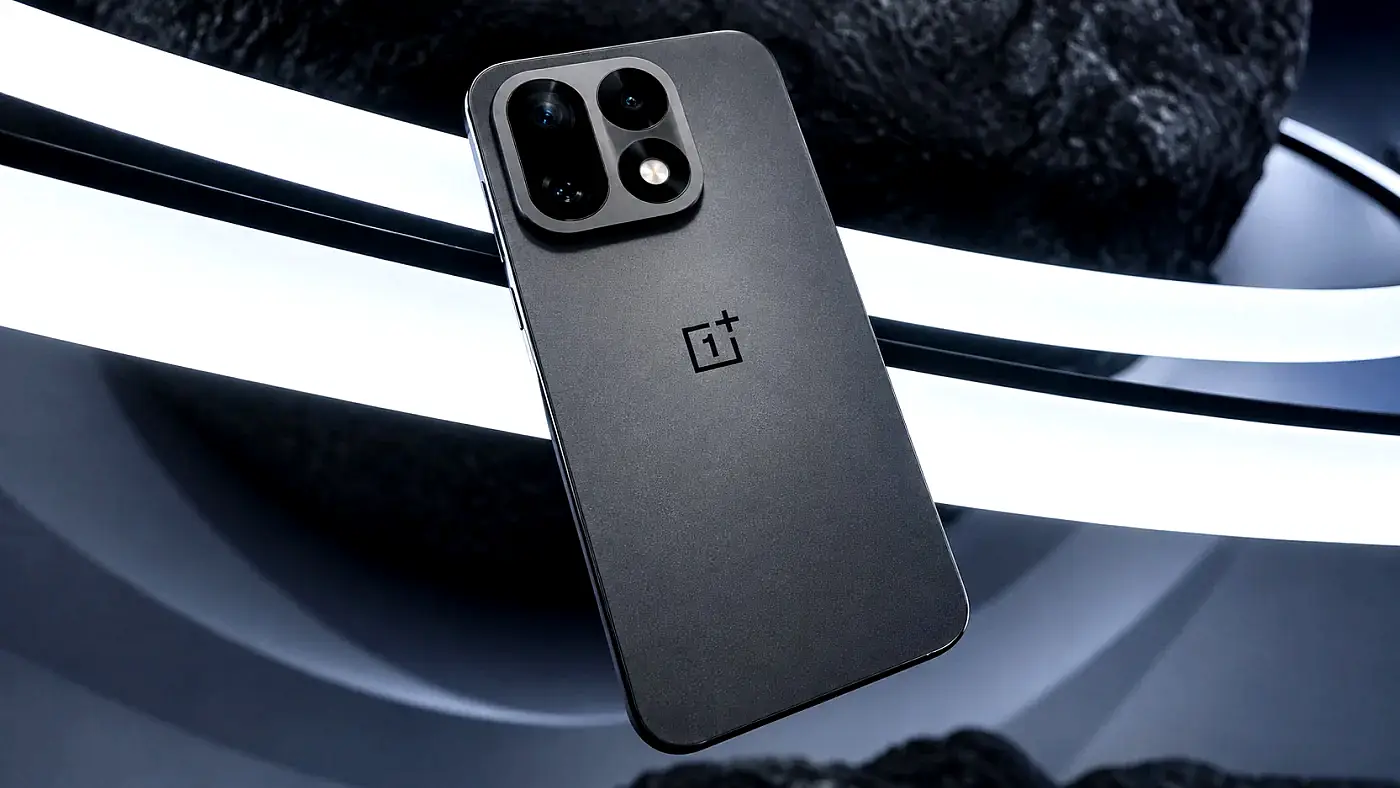
It isn't just OnePlus. On the same day, Digital Chat Station reported that all four of China's biggest panel makers are testing 240Hz screens at up to 2K resolution. Those are CSOT, Tianma, BOE and Visionox. IT Home adds that these panels should launch next year. It also says Honor's WIN tablet will use a 240Hz OLED panel built for gaming, and it names the OnePlus 17 as a likely first phone.
That "first phone" claim comes with an asterisk. Sharp already sells Aquos phones that advertise 240Hz. As Android Authority points out, though, Sharp gets there by slipping black frames between images on a 120Hz panel. A true 240Hz panel, especially at 2K, would still be new. Nobody has said yet whether OnePlus's version is the real thing. DCS also says sub-brand flagships will get these screens first, which points to gaming-focused models rather than a regular Galaxy or iPhone.
Do you actually need 240Hz?
Most people won't notice much. Going from 60Hz to 120Hz is obvious. Going from 185Hz to 240Hz is much harder to notice, and games have to run at those frame rates to benefit. There's battery to consider too. A faster screen uses more power, and even with LTPO panels that drop the rate when nothing moves, scrolling at 185Hz all day won't be free.
OnePlus itself seems to have had doubts before. Notebookcheck reports that the company built a 240Hz prototype during OnePlus 16 development and shelved it. I'll be honest. For most people, a higher refresh rate is the least useful upgrade a phone can get. A better telephoto or longer software support would do more.

Will the OnePlus 17 reach global buyers?
This is the real question. The OnePlus 16 stayed in China, and OnePlus has stopped launching new products in the US and Europe. India may see a different model instead. So OnePlus is racing to build the fastest screen in the world for a market that keeps getting smaller.
The good news is that those panels won't belong to OnePlus alone. If four suppliers are ready next year, 240Hz screens will likely show up in other brands' global phones too. The OnePlus 17 itself isn't expected until around October 2027, so there's plenty of time for these plans to change.
Popular News
Latest News