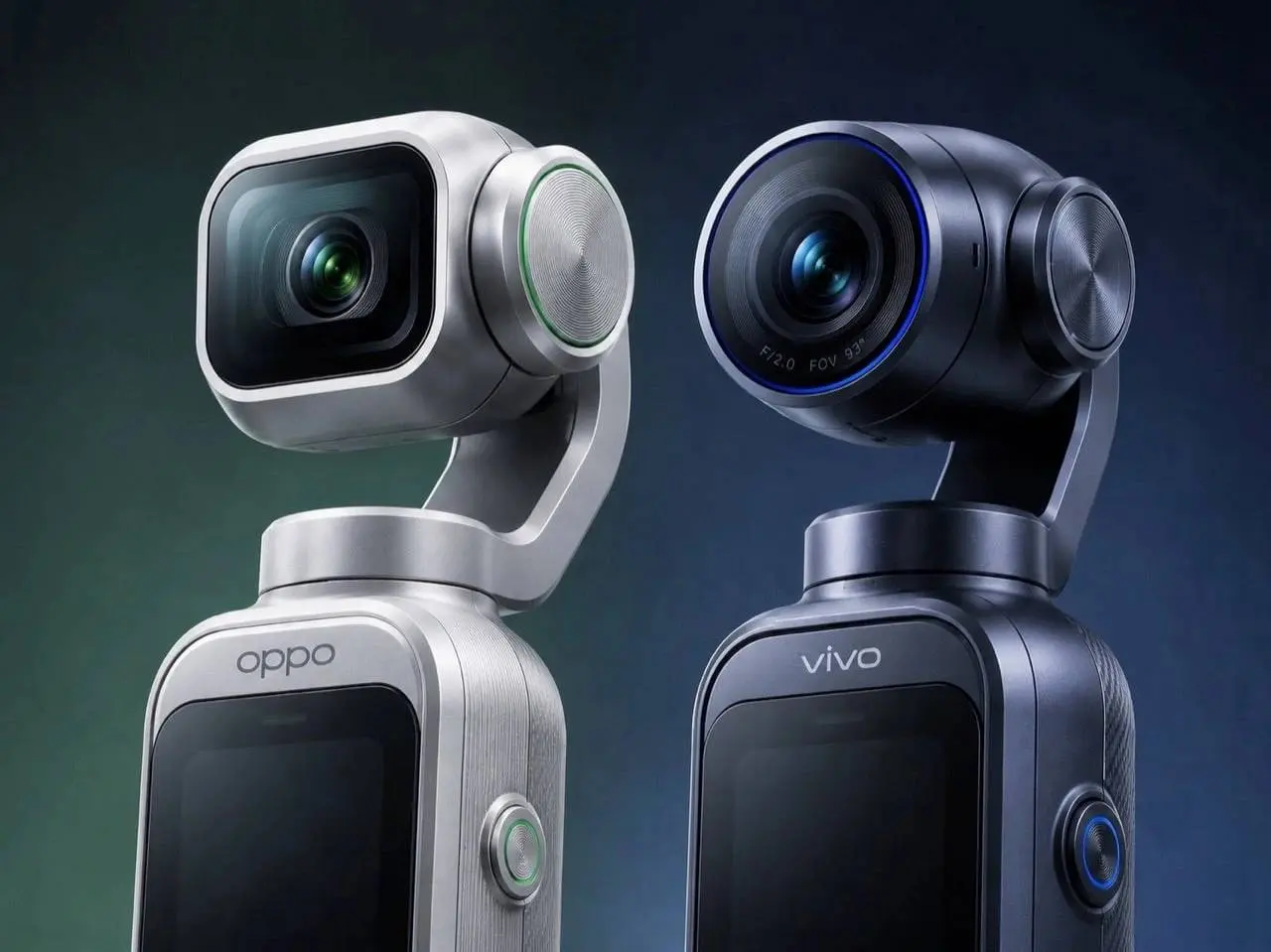
Two separate product teams. Two devices with nearly identical sensors. One parent conglomerate. The pocket gimbal camera segment just got complicated.

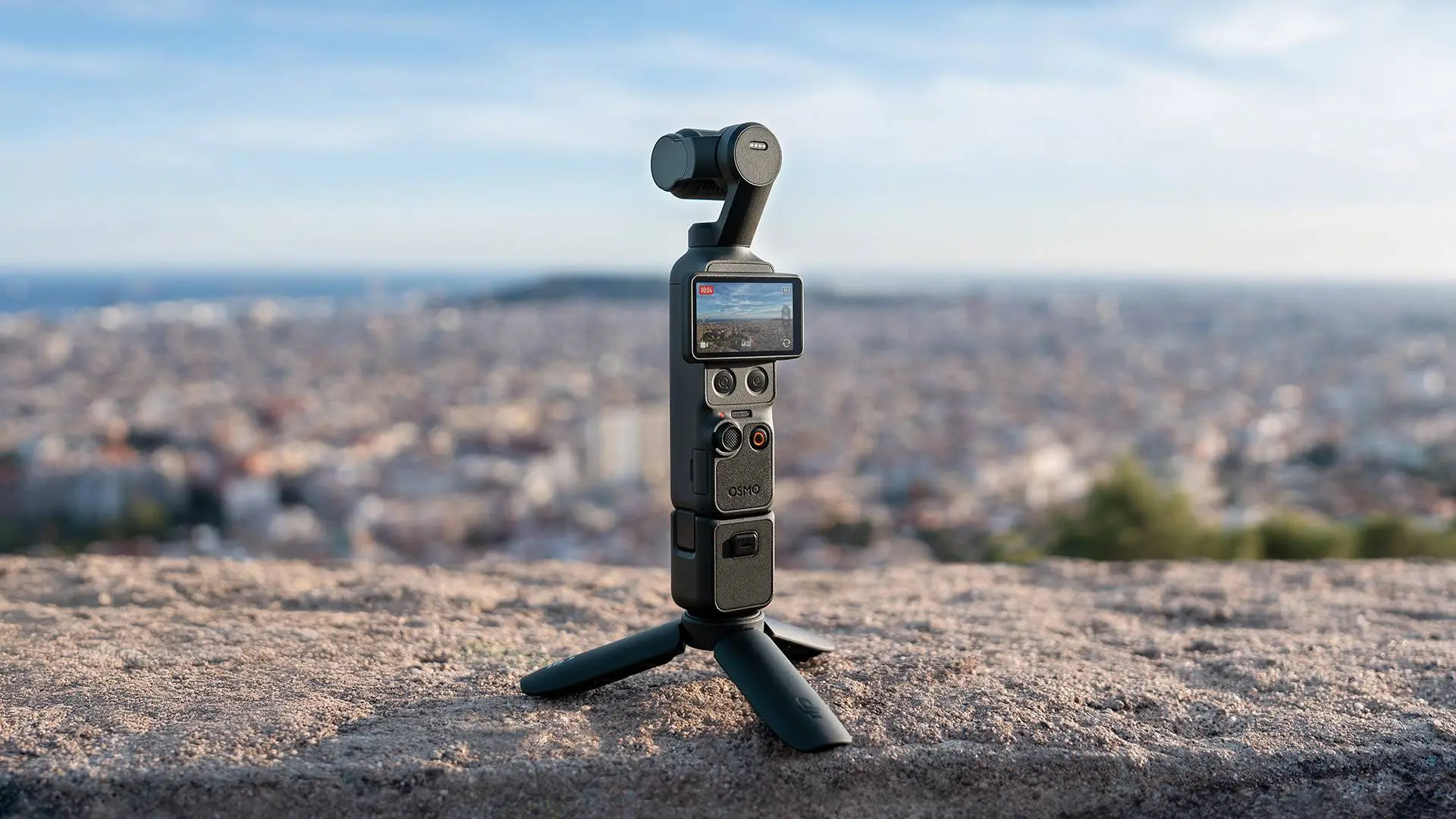
The DJI Osmo Pocket 4
Summary
- Both OPPO and Vivo have confirmed they are independently developing pocket gimbal cameras to compete directly with the DJI Osmo Pocket series — both devices are confirmed to use a 200MP sensor on a 1/1.12-inch format, pointing directly at Sony's LYT-901 as the shared sensor choice.
- OPPO's device is codenamed "Fuyao" and is expected to carry Hasselblad co-branding, leveraging the same imaging partnership behind the Find X9 Ultra's five-camera system. Vivo's device, known internally as "Vivo Pocket," will carry Zeiss branding.
- Both devices target "flagship-level" chips and will support seamless smartphone interconnection — allowing users to transfer and edit footage directly from the camera to their OPPO or Vivo phone respectively.
- The market context is significant: DJI's Osmo Pocket 4 launched in April at $499 with a 1-inch sensor producing up to 37MP output. Both OPPO and Vivo's 200MP sensor would more than double that output, with a physically larger format.
- Both OPPO and Vivo are subsidiaries of BBK Electronics — meaning two competing product teams inside the same parent conglomerate are building essentially the same device for rival consumer brands simultaneously.
"A 200MP Sony LYT-901 in a pocket gimbal camera would produce still images with roughly five times the resolution of the DJI Osmo Pocket 4's maximum output — and the 1/1.12-inch sensor format is physically larger than the Osmo Pocket 4's 1-inch chip. On paper, both BBK devices outspec the current market leader before they've been announced."
The BBK Situation Nobody Is Talking About
OPPO and Vivo are the same company in the most practical sense that matters. Both are wholly owned by BBK Electronics alongside OnePlus and Realme. Their engineering teams don't formally share roadmaps, but their component suppliers, manufacturing partners, and parent company strategy all overlap. Two BBK brands independently arriving at the same product category with the same sensor — whether coordinated or genuinely coincidental — is either a sign of healthy internal competition or an organizational overlap that corporate leadership may want to address before launch.

The branded differentiation tells you everything. OPPO is going Hasselblad. Vivo is going Zeiss. Both partnerships already exist on their flagship phones. The pocket cameras are an extension of brand identity work that's already been done.
What the Sony LYT-901 Enables
The DJI Osmo Pocket 4 uses a 1-inch sensor with a maximum output of 37MP. The Sony LYT-901 at 1/1.12 inches outputs 200MP with QQBC architecture — a quad-quad Bayer color filter system that enables hardware-level 4x lossless zoom without any resolution loss, and 4K recording at up to 120fps in binning mode. The dynamic range is rated at over 100dB. None of these are theoretical advantages. They're measurable differences in what the camera can capture.
The challenge for OPPO and Vivo is that megapixels and sensor size are only part of the pocket gimbal story. DJI's decade of stabilization software, motor technology, and creator ecosystem is genuinely difficult to replicate. Insta360's Luna Ultra — which pairs a 1-inch main sensor with a 1/1.3-inch telephoto and Leica co-engineering — is a more immediate threat to DJI than either BBK device simply because Insta360 already has camera software maturity.
The Timeline and the Competition
Vivo's device is reportedly heading to creators for testing, with a late 2026 launch targeted. OPPO's Fuyao timeline is less clear — the company confirmed interest but hasn't committed a date. DJI meanwhile is releasing both the Osmo Pocket 4 and the upcoming Osmo Pocket 4P simultaneously, competing with itself to cover different buyer segments before smartphones arrive as rivals. The pocket gimbal category, quiet for years, is now one of the fastest-moving hardware segments in consumer tech.
Popular News




Latest News
Loading