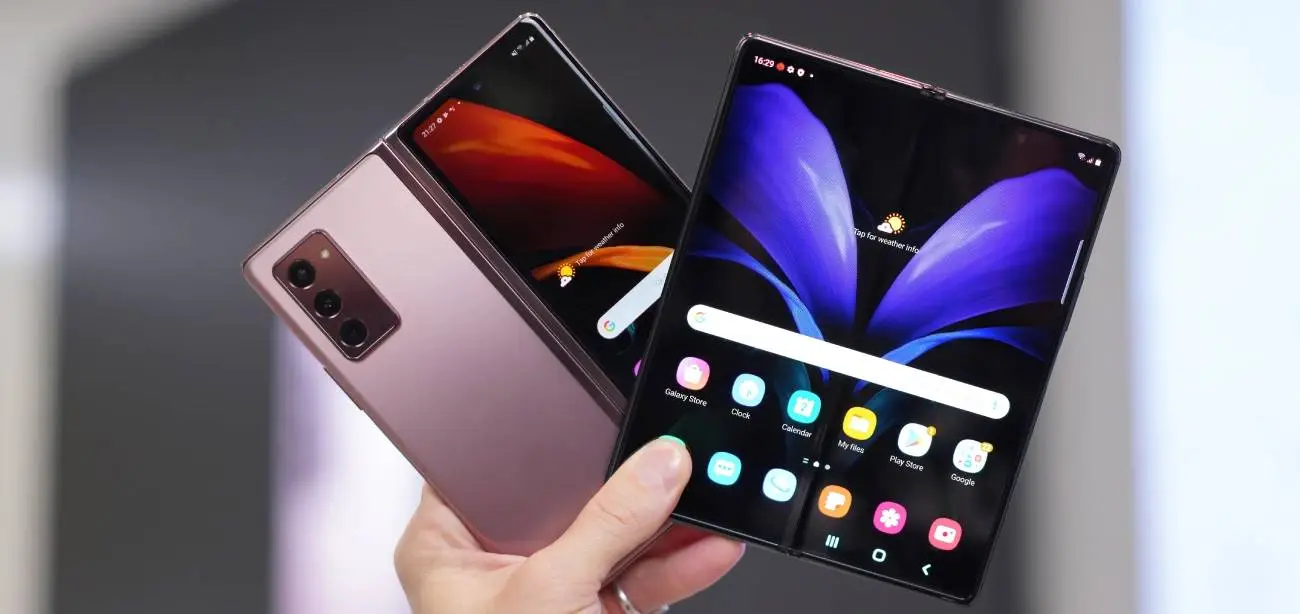
Cheap phones could be the first to feel the next memory crunch. Phone makers are setting lower shipment goals for 2027 as memory gets harder and more costly to buy. Reported by Jiemian News and then by Ice universe on weibo, Jiemian News says eight of the nine major phone brands have cut their plans. A separate forecast from Counterpoint says the whole market may shrink by another 6% in 2027. These are two different sets of figures, but both point to a hard year for phone makers.

Why budget phones are at risk
The biggest risk is not just fewer phones on sale. It is fewer good options at the low end. Counterpoint says higher memory costs are making cheap phones harder to sell at a profit. Brands may raise prices, cut RAM or storage, or stop selling models that no longer make enough money.
Counterpoint says the market for phones under $200 is likely to shrink. That matters if you want a basic phone at a low price. You may have to pay more for the same level of RAM and storage. Some buyers may move up to a dearer model. Others may keep an old phone for longer or buy a used one.
AI servers are taking up more memory
The cause of the squeeze is the boom in AI servers. These machines need large amounts of fast memory. Chip makers are giving more of their supply to server firms. That leaves less for phones and can push up the cost of each device.
Counterpoint expects more price rises for LPDDR memory in early 2027. It also sees little sign of a quick rise in supply for phone makers. This is a problem for brands that sell many low-cost phones. A small rise in the cost of each phone can wipe out much of the profit.

How far are the phone brands cutting back?
The figures come from Jiemian News, which cites supply-chain sources. (These are targets, not sales results or plans that the brands have made public.)
| Brand | 2026 target | 2027 target | Change |
| vivo | 85 million | 60 million | -29% |
| Xiaomi | 120 million | 90 million | -25% |
| Lenovo (Motorola) | 50 million | 40 million | -20% |
| OPPO | 105 million | 90 million | -14% |
| Transsion | 66 million | 58 million | -12% |
| Samsung | 232 million | 210 million | -9.5% |
| Apple | 233 million | 220 million | -5.6% |
| Huawei | 60 million | Below 50 million | More than -16% |
| Honor | 50 million | 50 million | No change |
Vivo and Xiaomi are making the biggest cuts. Apple and Samsung are making smaller ones. Honor is the only brand on the list that plans to keep its target flat. The figures may still change, and they do not mean that every phone will cost more.

Should you wait before buying?
Counterpoint sees the market growing again in 2028, with shipments up 6% as memory supply gets better. But it does not expect the market to return to its 2025 size by 2030. In the near term, phone makers may put more focus on costly models that bring in more money.
I would not rush to buy a new phone just because of these targets. They do not confirm a price rise for a model you may want. But if your current phone still works, it may be worth waiting to see how brands price their next budget and mid-range models. The biggest change may be what you get for your money, not just the price on the box.
loading
Popular News



Latest News