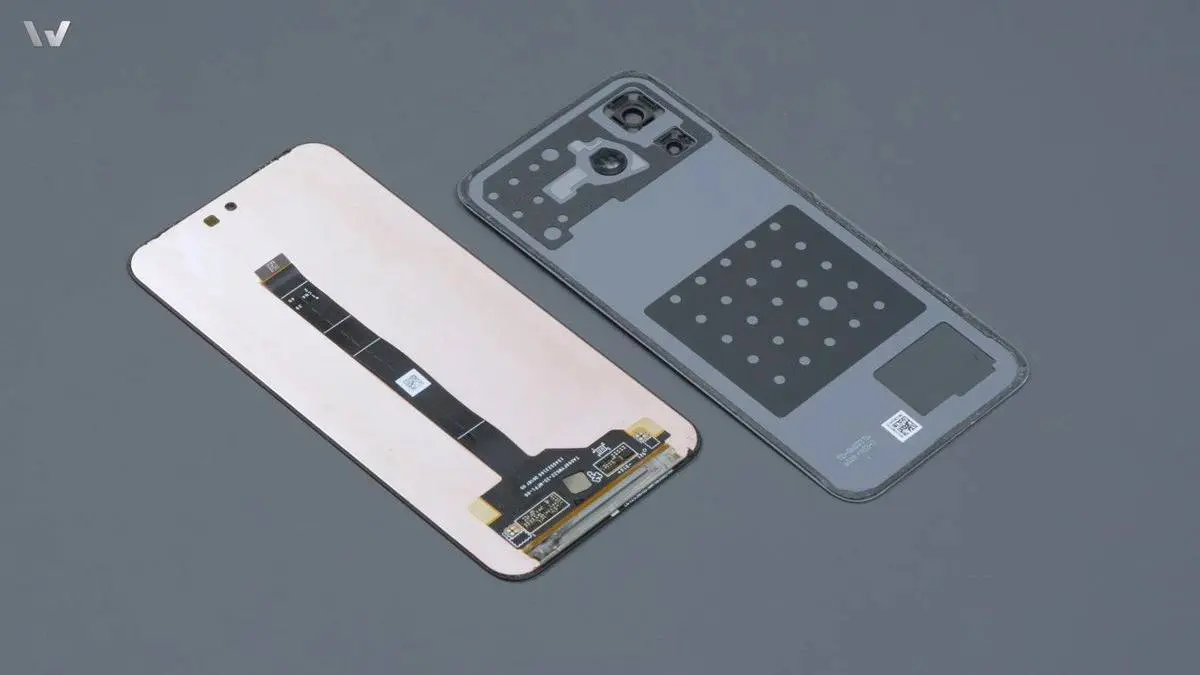
Teardowns tell the truth that spec sheets sometimes obscure. WekiHome's full disassembly of the Redmi Note 17 Pro — posted two days after the phone's official China launch — shows a device that largely backs up Xiaomi's durability claims, but also reveals one meaningful limitation that the official specs don't advertise.
Summary
- Samsung ISOCELL JN5 main camera: A 1/2.76-inch sensor — smaller than flagship territory but a solid choice for the mid-range tier. Front camera is OmniVision OV08F at 1/4 inch.
- HZH5.9 alloy inner frame: Xiaomi's own high-strength aluminum alloy, 30% stiffer than the previous generation — backs up the IP69K and durability credentials.
- UFS 4.0 storage, LPDDR4X RAM: The storage chip is genuinely UFS 4.0 but runs at UFS 3.1 speeds due to the Snapdragon 6s Gen 4 chipset ceiling.
- Ultrasonic proximity sensor: A step up from the typical IR proximity sensors found in most phones at this price.
- Water resistance delivered by foam: Dense foam sealing lines the inside of the back cover — the practical mechanism behind the IP68, IP69, and IP69K ratings.

The Storage Situation: UFS 4.0 That Can't Run at Full Speed
This is the detail worth paying attention to. Xiaomi fitted the Redmi Note 17 Pro with a Samsung UFS 4.0 storage chip — genuinely the current generation of flash storage. But the Snapdragon 6s Gen 4 processor can't actually take advantage of UFS 4.0's peak speeds. The chipset's storage interface tops out at UFS 3.1 performance levels. So buyers are getting UFS 4.0 hardware running at UFS 3.1 speeds. In day-to-day use, app load times and file transfers won't hit the numbers that UFS 4.0 would theoretically deliver.
This is worth knowing but not necessarily worth panicking over. UFS 3.1 is fast enough for everything a mid-range phone typically does. The inclusion of UFS 4.0 hardware may mean better long-term read/write endurance. But it's not a speed upgrade over a phone with UFS 3.1 chips and a chipset that can actually use them.
Read also


The Frame: Genuinely Premium
The HZH5.9 alloy inner chassis — Xiaomi's proprietary high-strength aluminum blend — is the most impressive internal component the teardown reveals. A 30% rigidity increase over the previous generation is a meaningful structural upgrade, especially for a phone rated to withstand high-pressure steam jets and drop tests from two meters. The foam sealing inside the back cover is dense and thoroughly applied, which explains how Xiaomi hit four simultaneous IP certifications without a sealed, non-removable back.
Camera Sensors Confirmed
The Samsung ISOCELL JN5 at 1/2.76 inches is a known, capable sensor used across multiple 2025–2026 mid-rangers. It's not the largest sensor in its class, but Xiaomi's processing pipeline and the Surge G1 battery management chip working alongside it should deliver results competitive with the segment. The OmniVision OV08F on the front is a standard 1/4-inch selfie sensor — functional but unremarkable.
Popular News

Latest News
Loading