Vivo Is Building a Pocket Camera — and the Sensor Inside Is a Flagship Chip in Its Own Right
VivoThursday, 14 May 2026 at 09:30
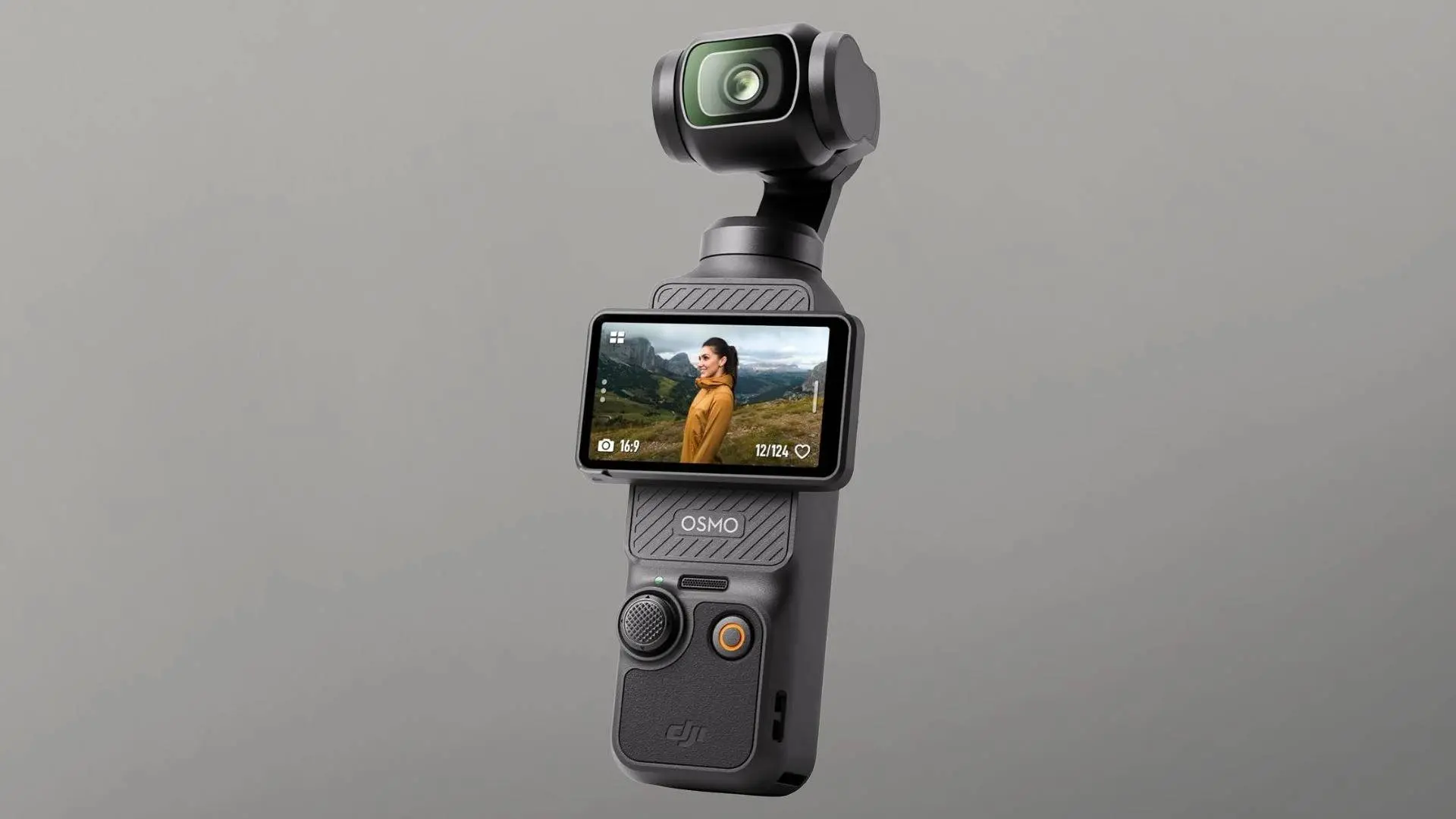
The DJI Osmo Pocket 4 launched last month. Insta360's Leica-engineered Luna series arrives this week. And now Vivo is coming for both of them.
Summary
- The Vivo Pocket camera has been confirmed in active prototype testing, centered on the Sony LYTIA 901 — a 200MP sensor measuring 1/1.12 inches, featuring Quad-Quad Bayer architecture, on-sensor AI remosaicing, hardware-level 4x lossless zoom, and 4K recording at 120fps.
- The device will incorporate a built-in gimbal stabilization system, placing it in a new category Vivo is calling "gimbal-integrated cameras" — a segment where smartphone brands are staking out territory against DJI and Insta360.
- Direct competition is already shipping: the DJI Osmo Pocket 4 launched in April 2026 at $499 with a 1-inch sensor and 4K/240fps, while Insta360's Leica-co-engineered Luna Ultra pairs a 1-inch main sensor with a 1/1.3-inch telephoto and launches May 15 between $499 and $799.
- Vivo's LYT-901 sensor choice is the same hardware already confirmed for the Vivo X300 Ultra flagship phone — meaning the Pocket camera shares sensor DNA with the company's top imaging smartphone rather than using a downgraded component.
- A year-end 2026 launch is the current tentative target; the processor used in the prototype has not been publicly specified.
The timing of Vivo's entry into this category isn't accidental. The pocket camera segment has been almost entirely owned by DJI for five years. The DJI Osmo Pocket 3, released in 2023, became the default recommendation for creators wanting stabilized video in a small package. DJI's Pocket 4 upgrade this year raised the sensor to 1-inch. Vivo is coming in with 1/1.12-inch and 200MP, which is a direct hardware escalation.

Why the LYT-901 Is Not a Typical Camera Sensor
The Sony LYTIA 901's architecture deserves more attention than it's received. Most 200MP sensors use a relatively conventional approach: high pixel count, binning modes, and software-managed HDR. The LYT-901 does something different. Its Quad-Quad Bayer Color (QQBC) structure groups 16 same-color pixels together rather than the standard 4-pixel Bayer clusters, enabling significantly higher light sensitivity without sacrificing resolution detail when conditions require full-pixel output. The on-sensor AI remosaicing engine handles the conversion in hardware, not in post-processing software.
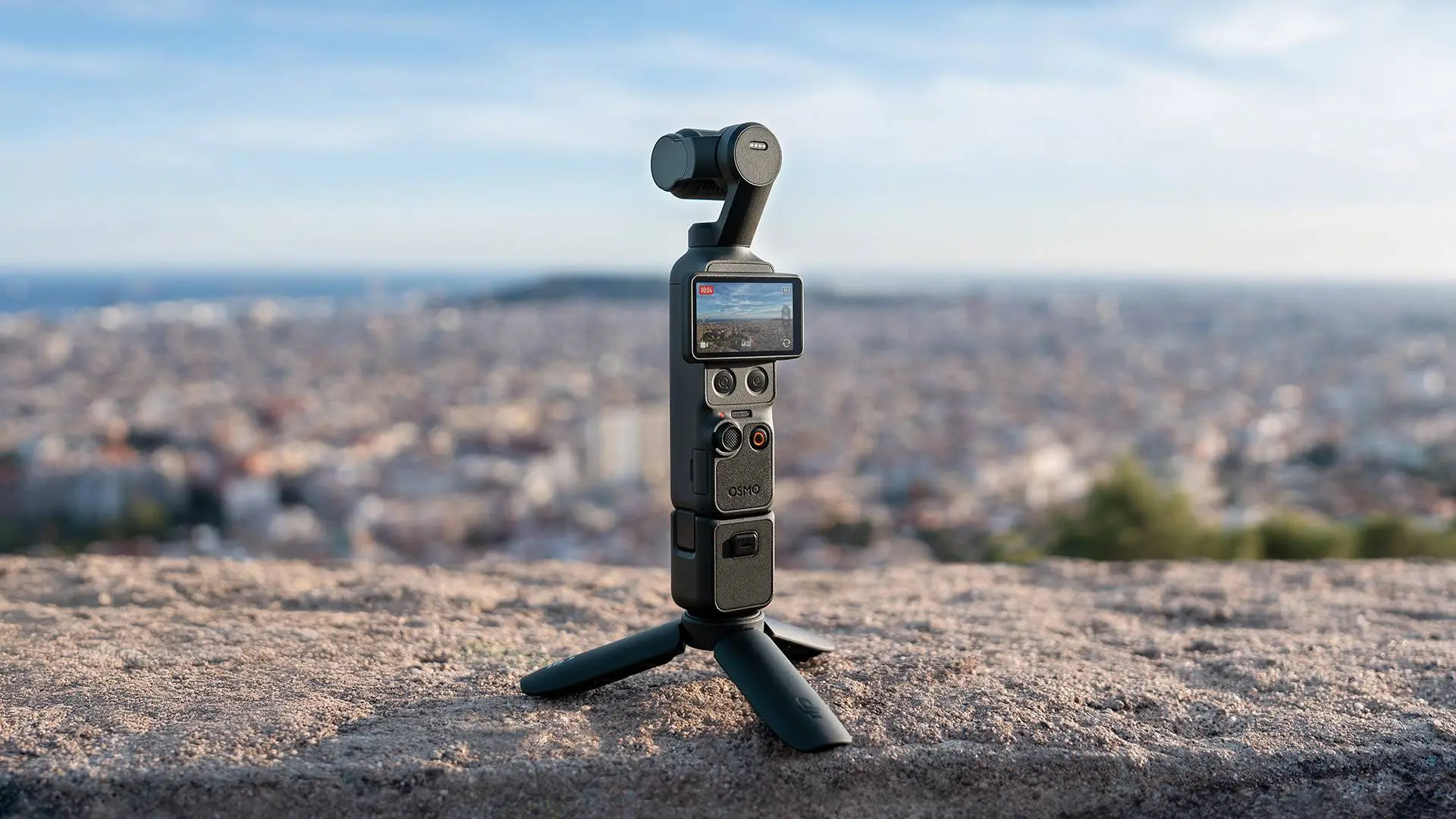
The practical result: 4x digital zoom that maintains full 4K resolution, 4K at 120fps in a 4x binning configuration, and over 100dB dynamic range. These are video specifications that challenge dedicated cinema cameras at lower price points. Placing this sensor in a gimbal-stabilized body rather than a smartphone chassis suggests Vivo wants the Pocket camera to be taken seriously in creator workflows, not just consumer experimentation.
The Competitive Landscape in Perspective
DJI's 1-inch sensor in the Osmo Pocket 4 is capable hardware, but 1/1.12-inch is physically larger — capturing more light per pixel. Insta360's Luna Ultra takes a dual-sensor approach with Leica co-engineering, which is a different strategy emphasizing computational imaging over raw sensor size. Vivo's approach is hardware-first: put the biggest, highest-resolution sensor currently available in mobile imaging into a stabilized pocket body, then let the LYT-901's on-sensor processing handle the heavy lifting.
Whether the end-of-2026 device lives up to what the prototype's sensor implies depends heavily on the gimbal quality, battery life, video codec implementation, and pricing. All of those remain unconfirmed. But frankly, the sensor alone is enough to make this a device worth watching.
Popular News


Latest News
Loading