OpenAI to Launch Codex Mobile App for iPhone as a General Productivity Tool
aiFriday, 01 May 2026 at 03:36
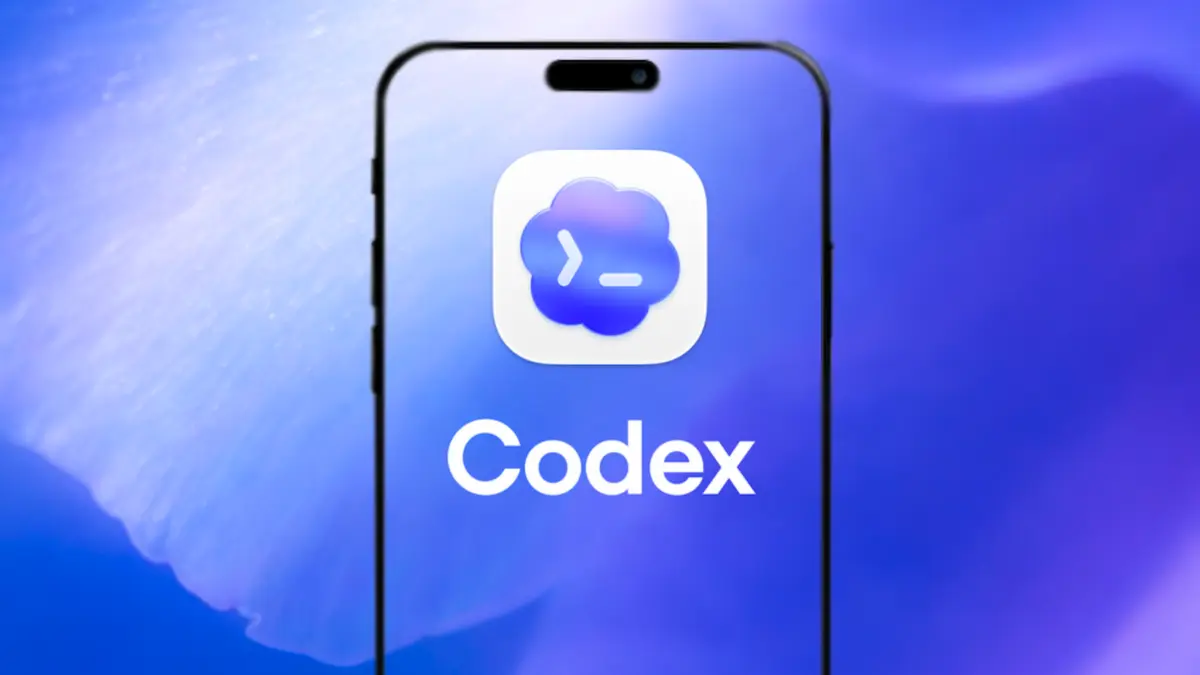
OpenAI is reportedly preparing a major shift for its Codex platform, and this time the focus is on mobile. Instead of being limited to desktop use, Codex could soon arrive as a dedicated iPhone app, making it much easier to access in everyday situations.
OpenAI Wants to Make Codex More Versatile and Expand The Possibilities
OpenAI wants Codex to be something you can use anytime, not just when sitting in front of a computer. The upcoming app is being described as a “pocket command center,” which means users could quickly get help with tasks, questions, or ideas wherever they are. It’s all about convenience and speed.
What’s really changing is how Codex is positioned. In the past, it was mainly a tool for developers, helping with coding, debugging, and technical tasks. Now, OpenAI is shifting its focus and turning Codex into a general productivity assistant. This means it won’t be limited to programmers anymore, but will be useful for a much wider audience.

Key Points
- Codex may launch as a dedicated iPhone app
- Moving from desktop-only to mobile access
- Shifting from coding tool to general productivity assistant
- Built for everyday tasks like writing, planning, and research
- Aiming to reach both regular users and tech enthusiasts
This change opens the door for more people to use Codex in daily life. Instead of focusing only on code, it could help write messages, organize notes, answer questions, and manage simple tasks. The mobile app would act as the main way users interact with these features.
In the bigger picture, this move shows OpenAI’s plan to make AI more practical and easier to use. By bringing Codex to mobile and expanding what it can do, the company is turning it into a flexible tool that fits right in your pocket and helps throughout the day.
Read also

In related news, OpenAI recently revised its deal with Microsoft. After long years of partnership, the two giants will start to walk more independently in the coming years.
Popular News
Latest News
Loading