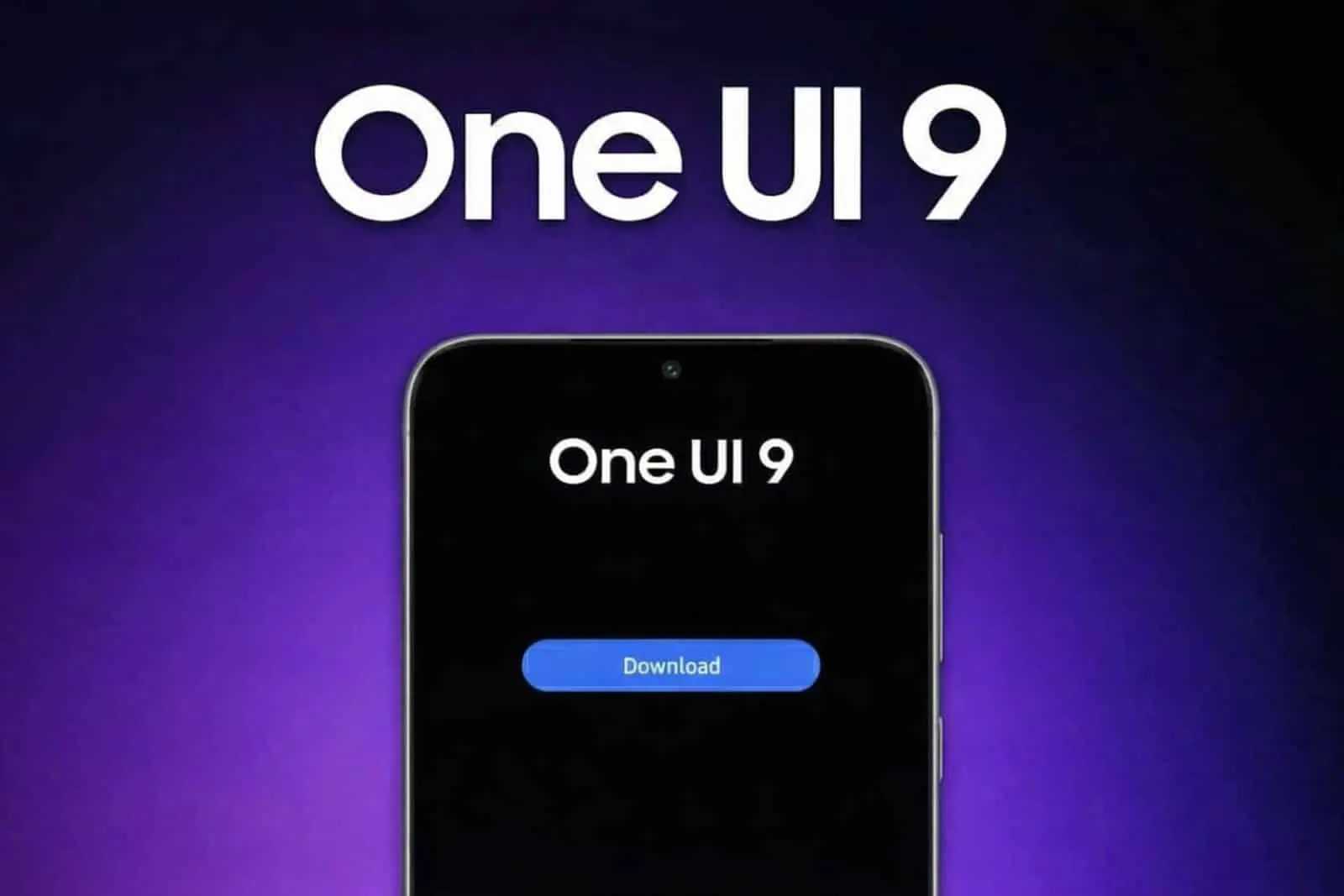
One UI 9.0 and Android 17: No Plans for Liquid Glass Technology
AndroidWednesday, 06 May 2026 at 10:50
The nuance here matters more than the headline. Check below to find out why...

IceUniverse's actual words were "no trend of adopting Liquid Glass" — not "confirmed absent forever." That distinction matters, and the timeline ahead makes the situation more fluid than most coverage suggests.
Apple's Liquid Glass design language was introduced with iOS 26, while Google is separately implementing translucent, glass-like visual effects for Android 17's system elements including background blur. These two design directions arrived almost simultaneously, and they're related but not identical. Apple's version is more saturated and refractive. Google's Android 17 approach is subtler — translucent glass-like effects appearing in the Quick Panel, volume sliders, power menu, and notifications section.
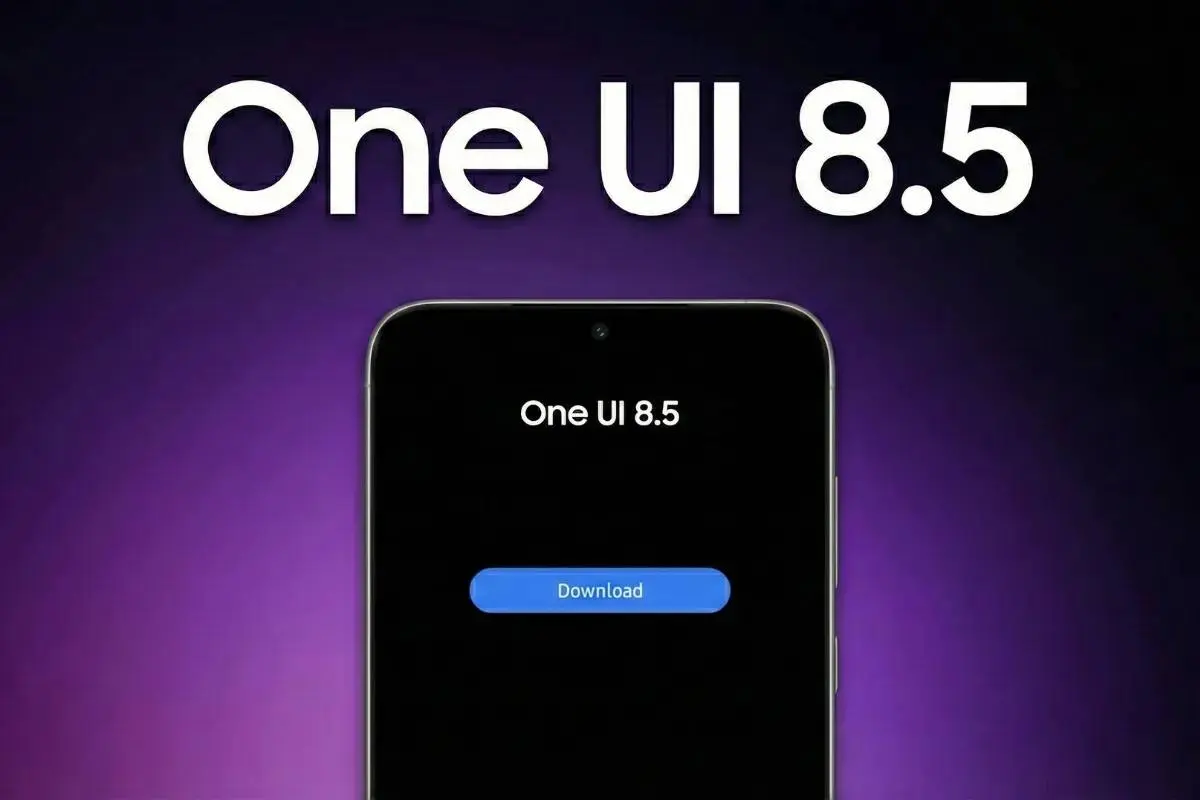
Samsung's position is interesting. One UI 8.5 already adopted Glass UI design for the Quick Panel and icons — meaning Samsung has been building toward this aesthetic without using Apple's branding for it. One UI 9 appears to continue that evolution. Early One UI 9 builds show possible expanded glassy and translucent blur effects across the Quick Panel, notifications, and panels — which sounds remarkably like a version of what everyone's calling Liquid Glass, just under a different label.
Summary
- Tipster IceUniverse confirmed via X that early One UI 9 builds show "no trend of adopting Liquid Glass" — but the qualifier "for now" is critical context the internet largely dropped in its reporting.
- Apple introduced Liquid Glass with iOS 26, and Android 17 is independently adopting its own translucent glass-like effects across Quick Panel, volume sliders, and notification sections — distinct from Apple's implementation but aesthetically adjacent.
- One UI 8.5 already adopted frosted glass design elements; One UI 9 is expected to expand these rather than introduce a wholesale Liquid Glass overhaul — with full adoption potentially deferred to One UI 9.5 in 2027.
- One UI 9 beta is expected to open for the Galaxy S26 series in late May or early June 2026, with the stable release debuting alongside the Galaxy Z Fold 8 and Z Flip 8 in July 2026.
- The Galaxy S22 series, Galaxy Z Fold 4, Galaxy S21 FE, and Galaxy A53 have officially been moved to a quarterly security schedule and are expected to stop at One UI 8.5 — making One UI 9 their end of the update road.
The "For Now" That Changes Everything
Samsung may set the foundation of a Liquid Glass redesign in One UI 9, but the full deployment might be kept on hold until One UI 9.5. That framing — gradual foundation-building now, full rollout later — is precisely Samsung's historical pattern with major design shifts. One UI 7.0 planted visual redesign seeds. One UI 7.5 expanded them. Full maturity came later.

I suppose calling this "no Liquid Glass" is technically accurate for the current internal builds. But characterizing it as Samsung rejecting the design direction entirely overstates what IceUniverse actually said.
One UI 9 Timeline and the Devices That Won't Make It
One UI 9 will officially debut with the Galaxy Z Fold 8 and Z Flip 8 in July 2026, with the public beta opening for the Galaxy S26 series in late May or early June. Android 17, codenamed "Cinnamon Bun," will be detailed at The Android Show on May 12 and at Google I/O shortly after.
The hard news: Samsung officially moved the Galaxy S22 series and the Galaxy Z Fold 4 to a quarterly security schedule — these devices, along with the S21 FE and A53, are expected to stop at One UI 8.5. If you're on one of those devices and were hoping for One UI 9, that's your answer.
Popular News
Latest News
Loading