Apple's first foldable iPhone is getting close, and some people have already spent time with it. According to Bloomberg's Mark Gurman, early testers like the iPhone Ultra's compact size, strong hinge and iPad-like software. But there are also a few choices that may be hard to accept on a phone expected to cost more than $2,000.
And I think the price makes those missing features much harder to ignore.

The iPhone Ultra gets a lot right
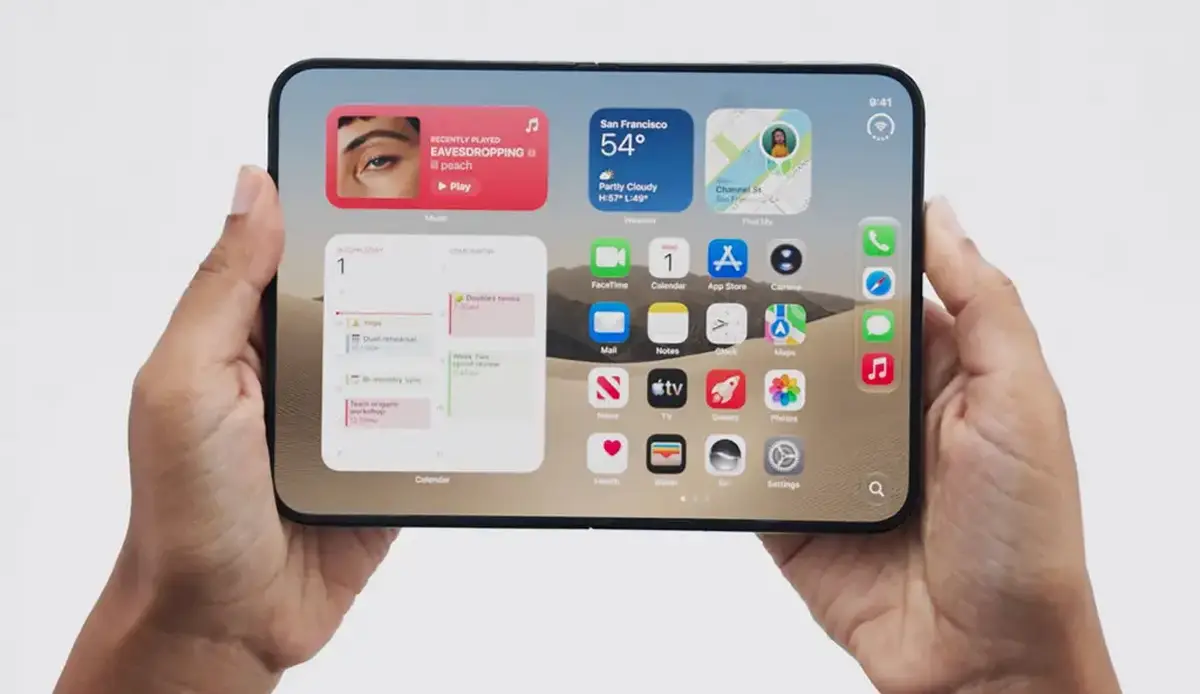
Let's start with the good stuff. People who have used the phone say it feels easy to carry, while the hinge feels solid and built to last. When opened, the larger screen also gives users an interface that feels closer to an iPad than a normal iPhone.
That could be a big deal.
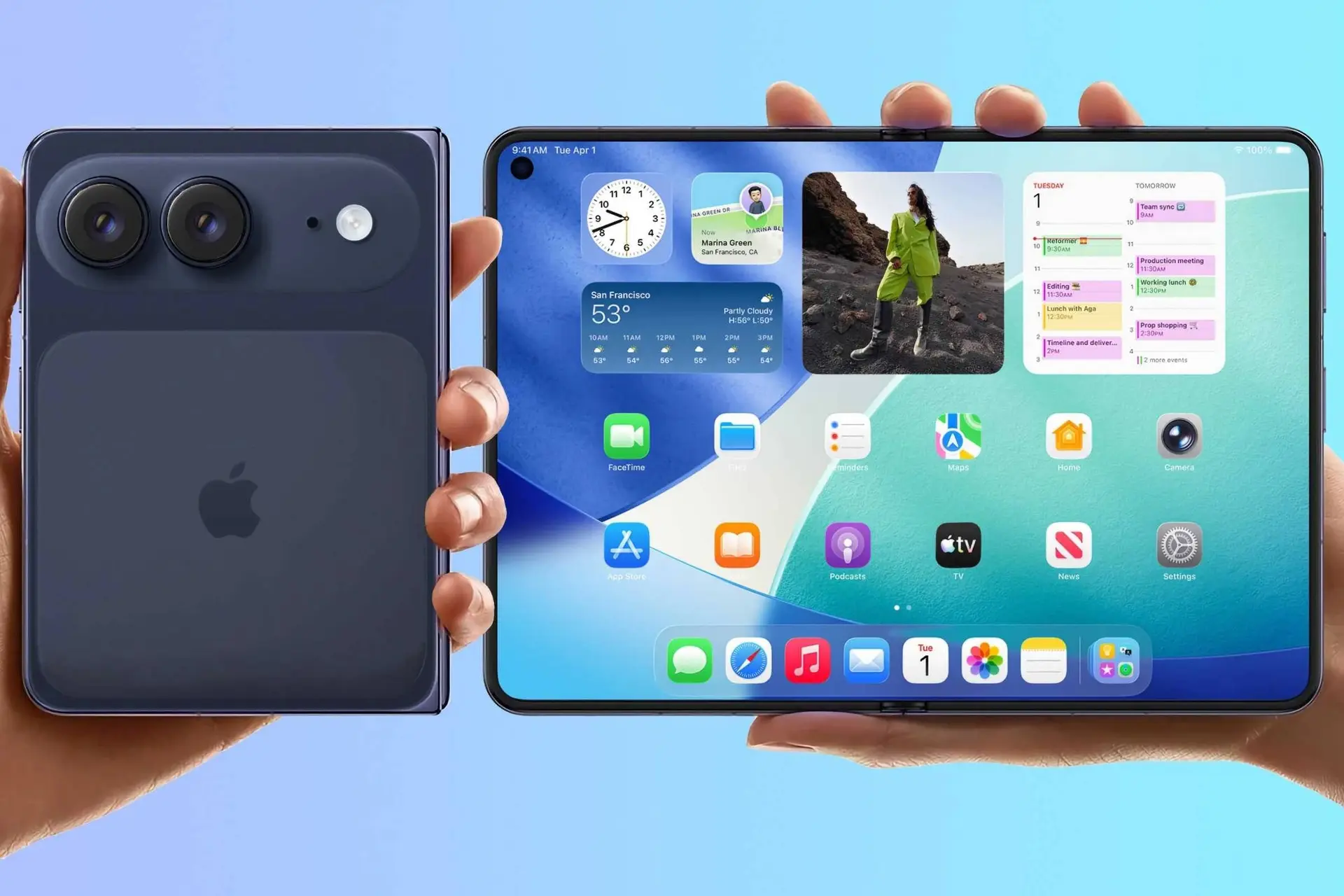
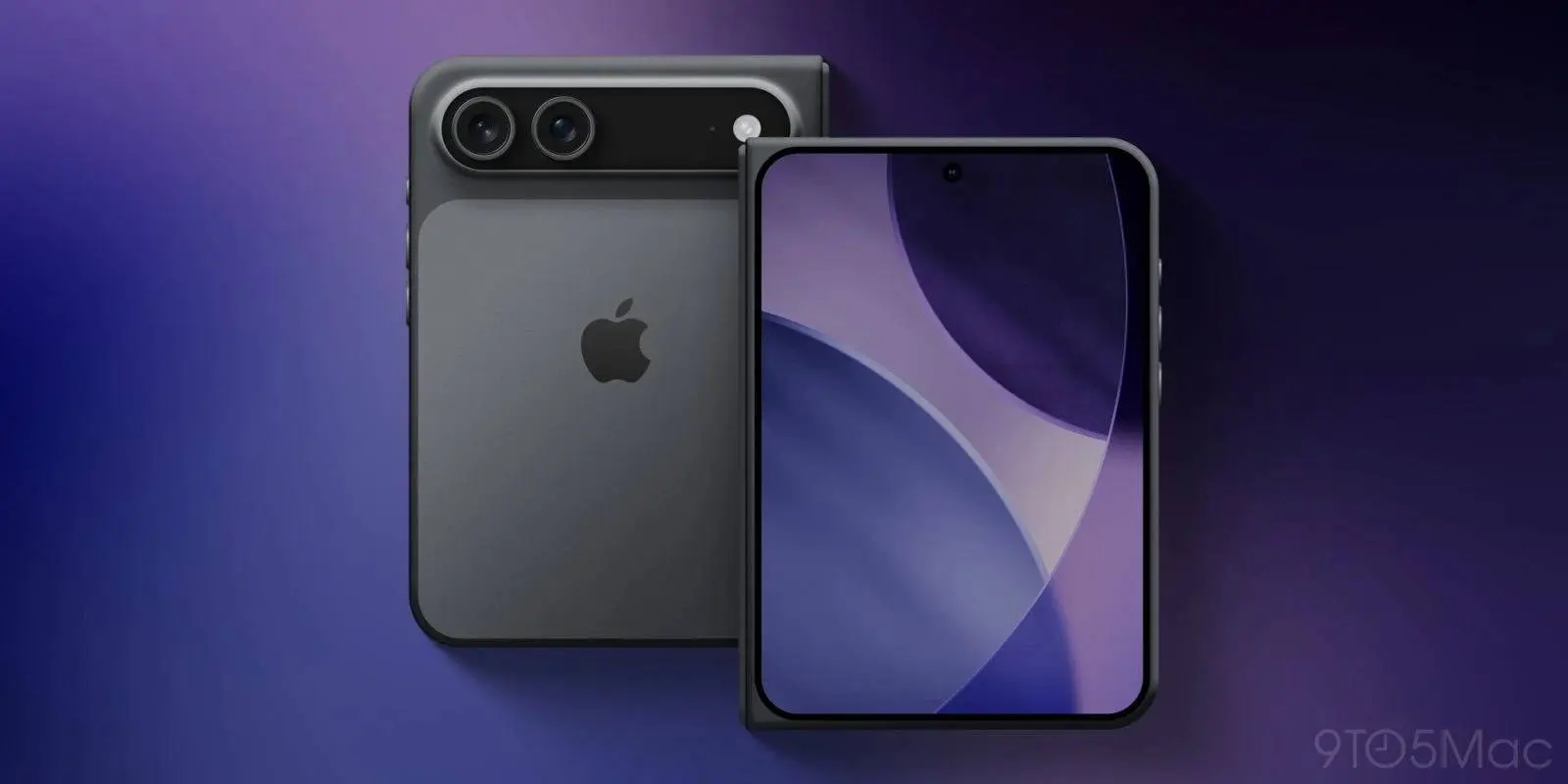
Apple is expected to use a wide book-style design with a 7.8-inch inner display and a 5.5-inch cover screen. The smaller size should make it easier to carry than many current foldables.
The large inner screen can also run apps side by side. Testers say it works well as a big camera viewfinder too, which makes sense on a device that can open into a small tablet.
Here's the thing, though. This is still iOS.
So while multitasking should be better than on a normal iPhone, don't expect the same freedom you get from an iPad.

Some strange cuts for a $2,000 phone
This is where I start to have questions.
The iPhone Ultra is expected to skip the telephoto camera and use a dual-camera setup instead. Face ID may also be gone, with Apple using Touch ID in the power button.
Neither choice is terrible on its own. But we're talking about what could become Apple's most expensive iPhone.
If I am paying more than $2,000, I don't want to lose camera hardware found on a cheaper iPhone 18 Pro Max. And while side-mounted Touch ID works perfectly well on many foldables, losing Face ID still feels like a step back on an iPhone.
Read also
That hinge could be the real star
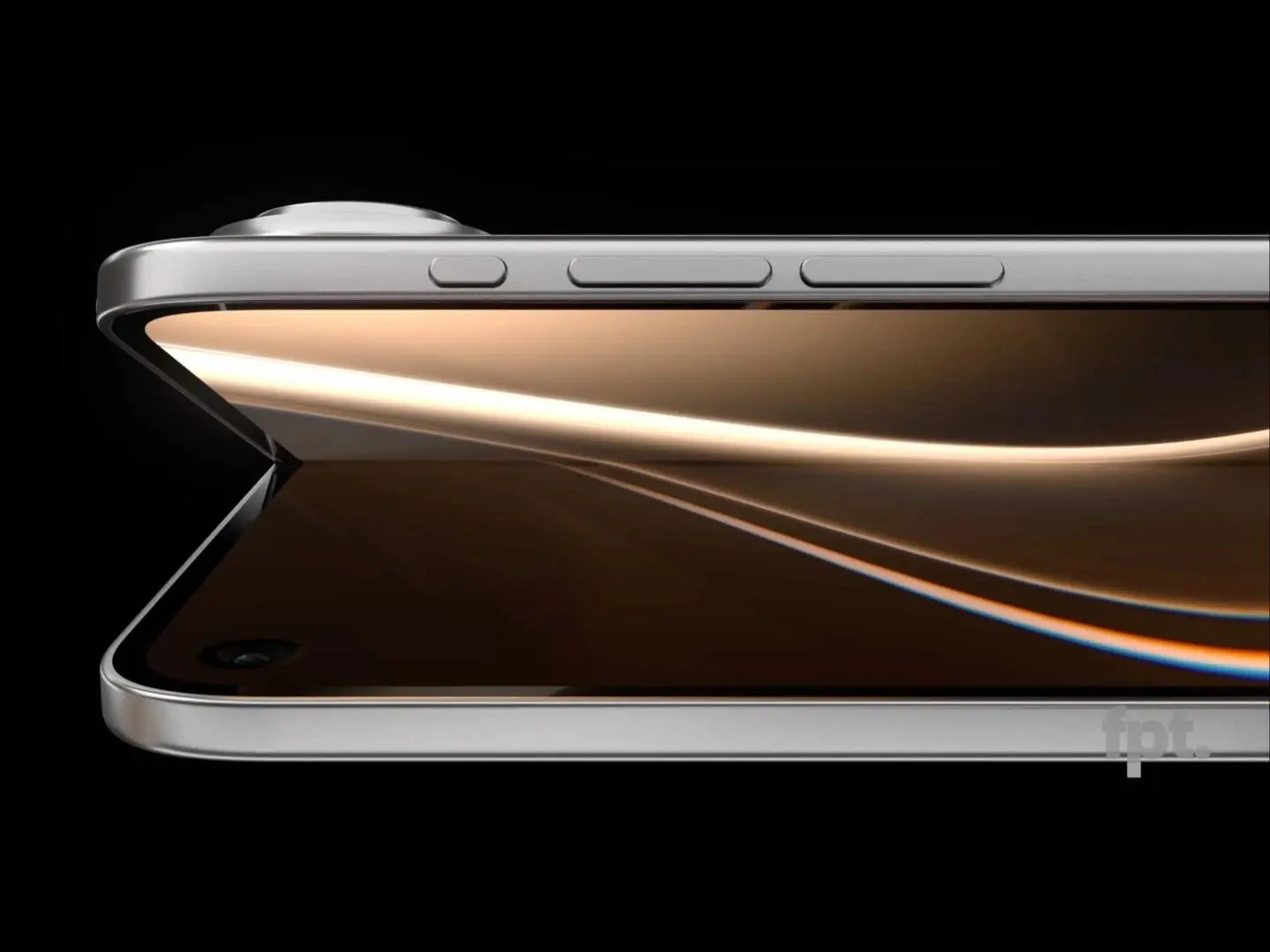
Apple may have something special in the hinge, though. The iPhone Ultra is said to use liquid metal, a strong but light alloy that can handle a lot of stress without breaking. The goal is simple: make the hinge last while keeping the phone thin enough to carry every day.
To be honest, that matters more to me than making the phone a few millimeters thinner. Foldables have moving parts, and durability is still one of the first things I worry about before spending flagship money.
Apple has not announced the iPhone Ultra yet, and reports still point to a launch alongside the iPhone 18 Pro series. There have also been claims of production problems, so nothing is certain until Apple makes it official.
Still, the first impressions sound promising. The iPhone Ultra may be compact, well built and great to use. I just don't know if "Ultra" should also mean giving up Face ID and a telephoto camera for more than $2,000. What do you say?
Popular News

Latest News
Loading