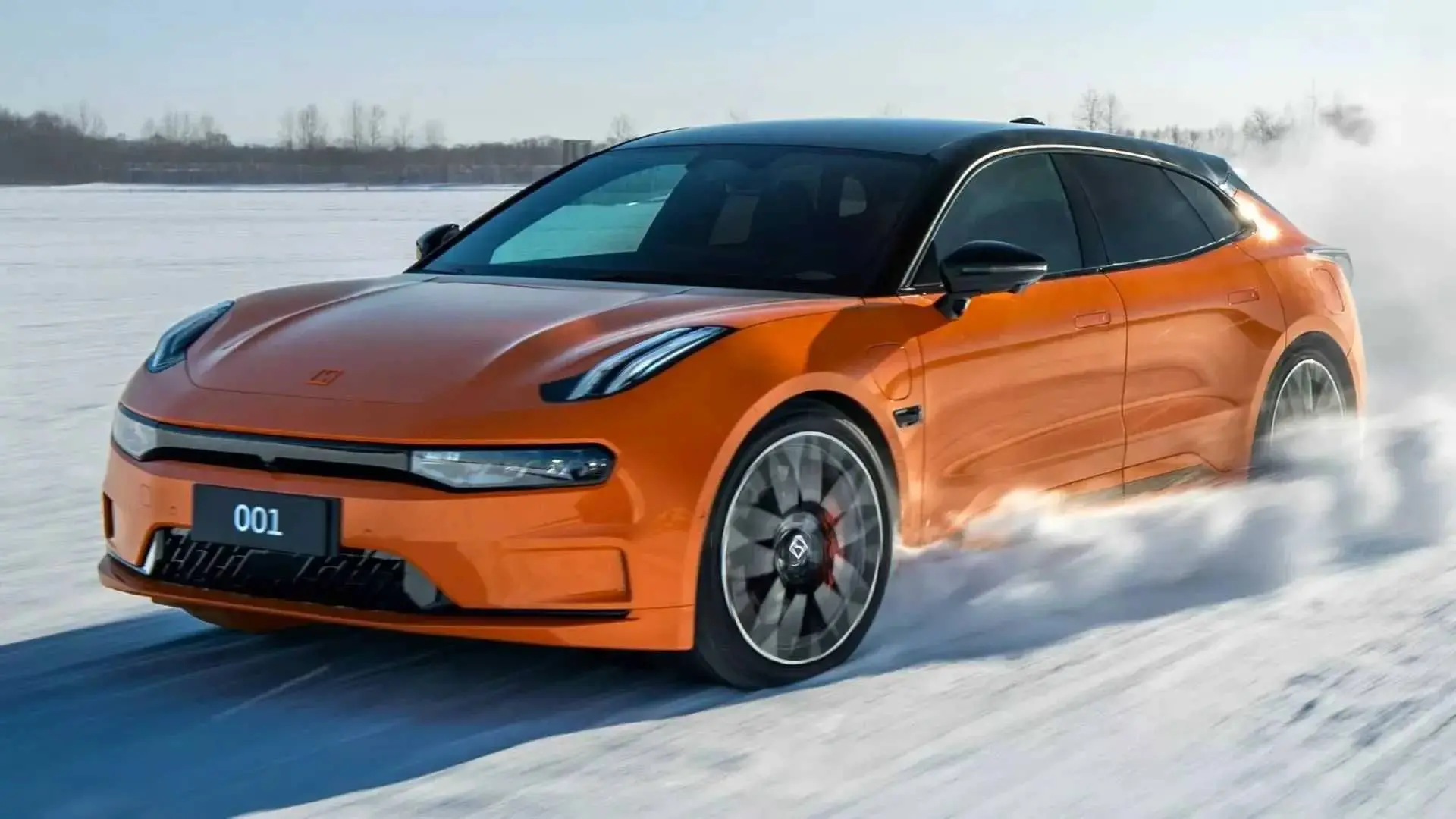
We have been hearing the death knell of the combustion engine for a decade now, yet Geely apparently missed the funeral. I'll be the first to admit that automotive press releases usually smell like burnt coffee and corporate desperation, but these new i-HEV specs are quite startling. It isn't just another incremental update to a battery pack or a slightly aerodynamic bumper. No, this is a direct, calculated strike at the hybrid dominance held by legacy players for decades. The numbers look like typos. But they aren't.

Summary
- The i-HEV system achieves a world-leading thermal efficiency of 48.41%.
- Fuel consumption drops to a staggering 2.22L/100km in testing.
- This represents a 12% efficiency gain over Toyota’s latest THS.
- Architecture prioritizes electric-first power for maximum economy.
- Mass production is imminent for the popular China Star model line.
Beyond the numbers
Let’s talk about that 48.41% thermal efficiency peak for a moment because it matters more than you think. Most internal combustion engines are essentially glorified heaters that occasionally happen to move wheels. They waste energy like a leaky faucet. Geely’s new unit, however, manages to wring out more actual work from every single drop of fuel than almost anything else currently sitting on a showroom floor.
I suppose we should have seen this coming given the R&D budgets involved lately. It’s an electric-led approach. This means the system doesn't just use the motor as a backup. Instead, it treats the gas engine as a supporting actor in a play where the battery is the lead. It works.

The comparison to the fifth-generation Toyota THS is where things get truly uncomfortable for the old guard. A 12% improvement in fuel economy isn't just a minor victory; it's a generational leap in an industry where engineers usually fight for half a percent. Geely isn't just playing the game anymore. They're rewriting the rules. Honestly, seeing a manufacturer actually hit mass-production readiness this quickly is the real surprise here.

Mass production reality
The most refreshing part of this announcement is that it isn't some "concept car" vaporware that will never see the light of day. This technology is ready. It's built. It's being bolted into cars as we speak. We are going to see the i-HEV system integrated into the Xingrui and the Xingyue L, alongside the fourth-generation Boyue L and the Emgrand. This covers a massive swath of the market, from sensible sedans to the SUVs that everyone seems to want these days.

I guess the real question is how the market responds. Pre-sales are starting very soon for the flagship models. If these real-world figures hold up under the heavy foot of an average commuter, the "range anxiety" crowd might finally have a reason to stop worrying. It’s a powerful, exceptionally economical solution that feels like a bridge to the future that actually holds weight. Geely is setting a benchmark that makes the competition look a bit... tired. Frankly, the industry needed this wake-up call.
Popular News


Latest News
Loading