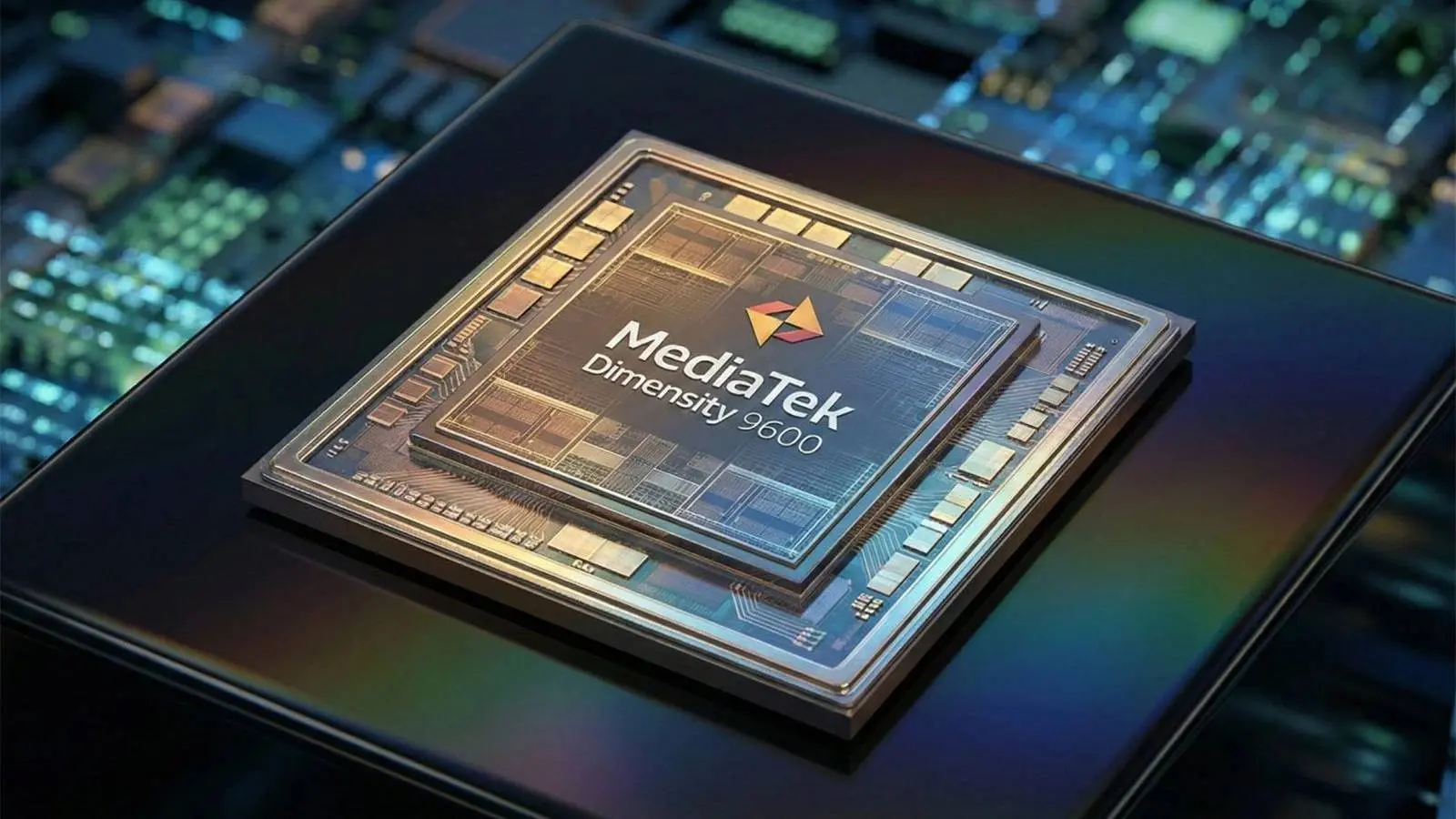
MediaTek is splitting its next flagship tier into two chips — the standard Dimensity 9600 and the Dimensity 9600 Pro. Both arrive in September. The Pro is the more interesting story: a 5.0GHz peak CPU speed, LPDDR6 memory, hardware-level frame generation, and estimated Geekbench 6 single-core scores pushing 4,200-4,300. That's Apple A-series territory.

None of this is official. MediaTek hasn't confirmed a single detail. Everything below comes from leaks.
Key Points
- Dimensity 9600 Pro confirmed for September launch on TSMC's 2nm N2P node — standard Dimensity 9600 may use 3nm or a lower-binned 2nm chip depending on supply
- 2+3+3 CPU configuration with two Canyon Ultra cores at 5.0GHz peak, three Gelas-B performance cores, and three Gelas efficiency cores on the Pro — standard gets a lower-clocked version of the same layout
- Arm Immortalis "Magni" GPU on both variants with hardware-level frame generation — games running at 60fps can be scaled to 120fps or higher at the silicon level without software tricks
- Dimensity 9600 Pro supports LPDDR6 and UFS 5.0 — standard stays with LPDDR5X and UFS 4.0
- Geekbench 6 estimates from Digital Chat Station: 4,200-4,300 single-core and 12,000-12,500 multi-core for the Pro — confirmed first devices include Vivo X500 and OPPO Find X10 series

Two Chips, Two Memory Tiers
The standard Dimensity 9600 and the Pro aren't just different clock speeds — they're different memory ecosystems. LPDDR6 on the Pro versus LPDDR5X on the standard creates a meaningful data bandwidth gap that affects AI inference, gaming asset loading, and sustained multitasking. UFS 5.0 on the Pro doubles internal storage throughput over the UFS 4.0 on the standard model.
The same split is happening at Qualcomm — Snapdragon 8 Elite Gen 6 standard versus the Pro variant with LPDDR6. The industry is deliberately tiering flagship chips by memory standard for the first time, creating genuine hardware differentiation beyond clock speed.
Supply is the unknown variable for the standard chip. TSMC's 2nm capacity is constrained. If the standard Dimensity 9600 drops to 3nm, the performance and efficiency gap between it and the Pro widens beyond the spec sheet difference.
The GPU Is the Sleeper Spec
The Arm Immortalis Magni architecture brings two capabilities that matter more than raw GPU benchmark scores. Hardware-level frame interpolation — inserting frames at the silicon level rather than through software post-processing — means games that run at 60fps can target 120fps output with lower latency and better visual quality than software-based alternatives. Native resolution upscaling built into the GPU replaces software upscaling that introduces visual artefacts at high zoom levels.
Ray tracing performance upgrades on both variants bring more realistic lighting and shadow rendering to mobile games that support it — a feature that has been available on console and PC for years but is only now becoming competitive on mobile silicon.
The Neural Shader Scheduler dynamically splits AI compute between the GPU and NPU based on real-time efficiency — a hardware-level scheduler rather than a software approximation. This matters for on-device AI inference workloads that mix neural network operations with graphics rendering simultaneously.

The Benchmark Context
A 4,200-4,300 single-core score on Geekbench 6 would place the Dimensity 9600 Pro ahead of the previous generation's estimated 4,000 and competitive with Qualcomm's Snapdragon 8 Elite Gen 5 current scores. Apple's A18 Pro scores around 3,900-4,100. The Dimensity 9600 Pro potentially exceeding that on single-core is the headline claim from the estimates — though engineering sample benchmarks frequently shift before final production silicon.
Multi-core at 12,000-12,500 represents a meaningful step up from the estimated 11,000 of the previous generation.
First Devices
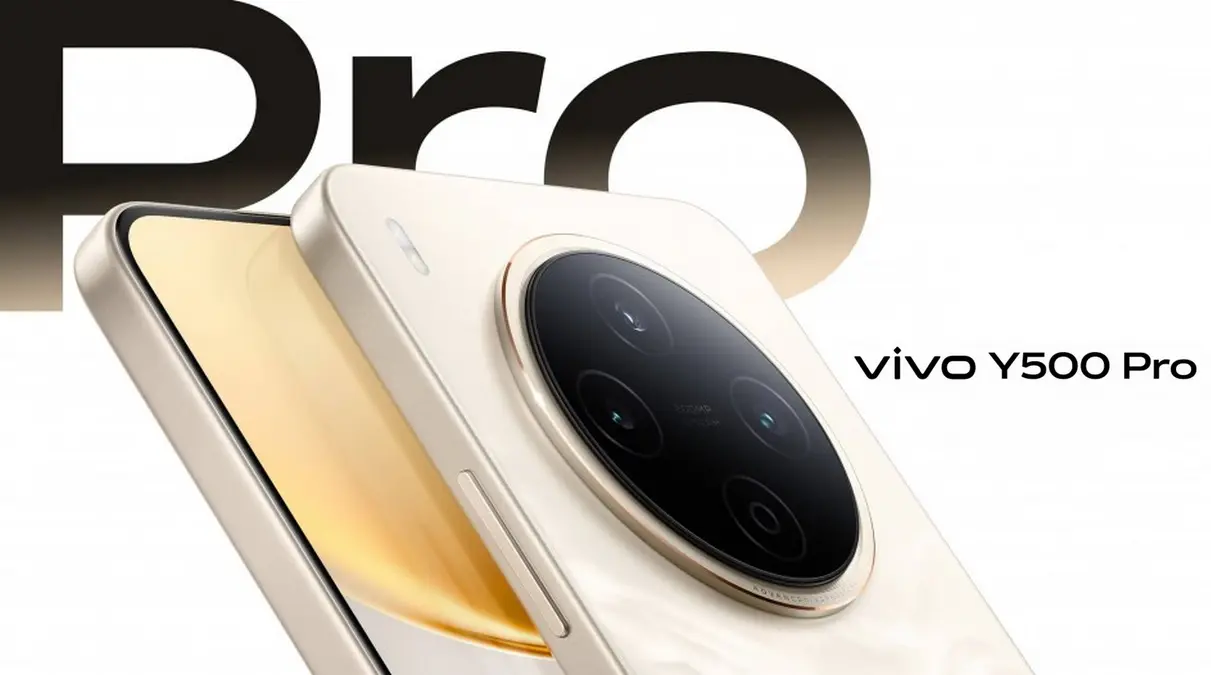
Vivo X500 with standard Dimensity 9600 and Vivo X500 Pro with the Pro variant. OPPO Find X10 with standard, Find X10 Pro with Pro. Both lineups expected in September-October — meaning the Dimensity 9600 series debuts before the Snapdragon 8 Elite Gen 6 generation arrives later in Q4.
Popular News


Latest News
Loading