Xiaomi HyperOS 4 Beta Is Here: Check If Your Device Gets It
Xiaomi NewsThursday, 13 August 2026 at 10:58
Xiaomi has officially announced the HyperOS 4 beta program, and the first devices will start getting the update on August 14. The company has also shared the full list of supported Xiaomi and Redmi phones, along with a few tablets. There is one catch, though. For now, the beta program is only available in China.
HyperOS 4 beta starts on August 14
Xiaomi will roll out the beta in three batches, which makes things a little easier to follow. The first group will get HyperOS 4 from August 14, and it includes most of the company's latest flagship devices.
The Xiaomi 17 Ultra, 17 Ultra Leica Edition, 17 Pro Max, 17 Pro and Xiaomi 17 are all on the list. Redmi users are also covered, with the K90 Pro Max, K90 Pro Max Champion Edition and K90 joining the first batch. The Xiaomi Pad 8 Pro and Pad 8 will get the beta on the same day.

To be honest, there are no big surprises here. Xiaomi is clearly giving its latest and most expensive devices first access to HyperOS 4, which is what I would expect from an early beta program.
More Xiaomi phones get it on August 27
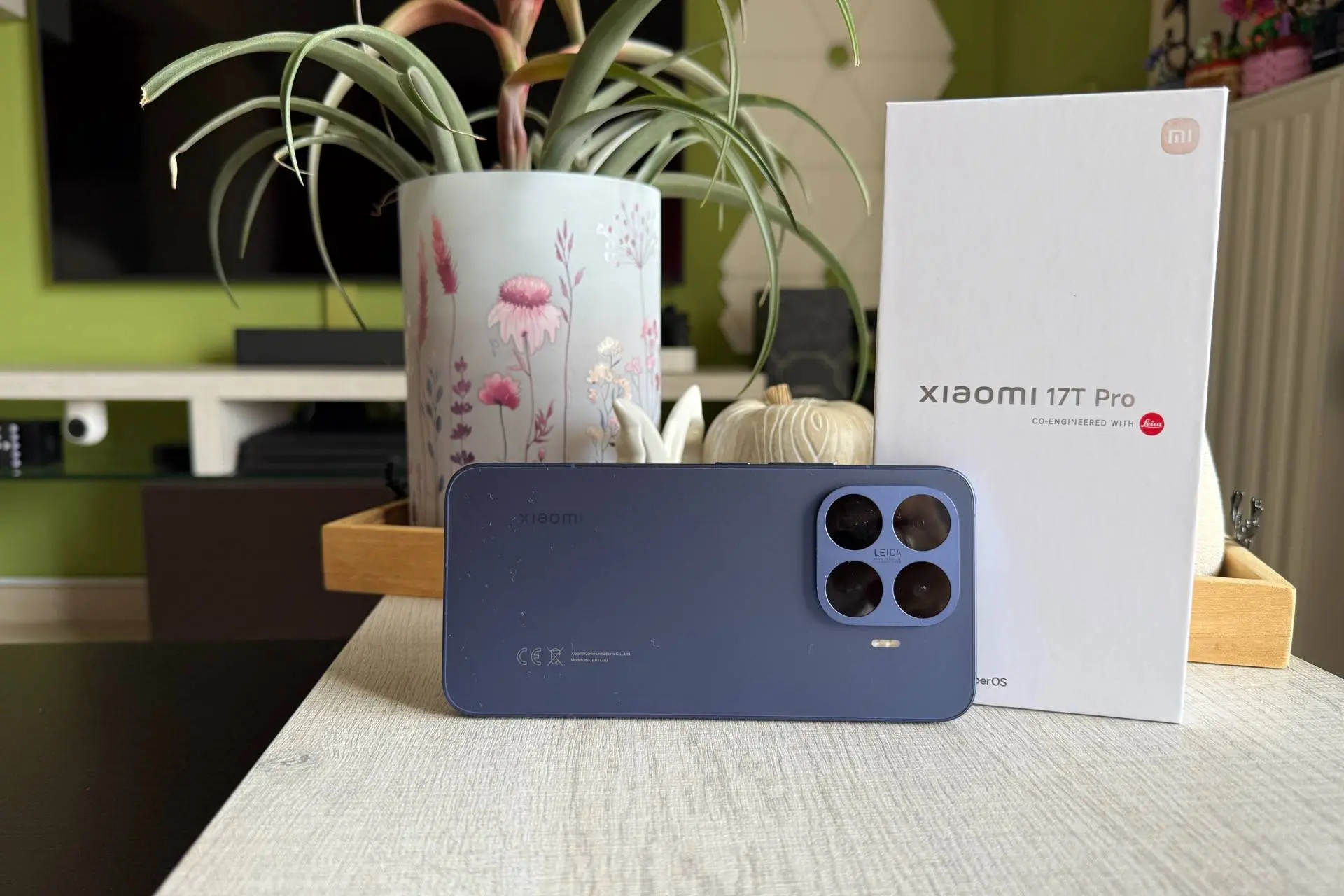
The second batch will start on August 27, and this is where the list gets more interesting. The Xiaomi 17 Max, Xiaomi 17T Pro and 17T will join the program, along with the older Xiaomi 15 series.
That includes the Xiaomi 15 Ultra, 15 Ultra Dual Satellite Edition, 15S Pro, 15 Pro and the standard Xiaomi 15. Redmi K90 Max and K90 Supreme Edition users will also get access, while the Redmi K Pad 2 is the only tablet in this group.
I am glad to see the Xiaomi 15 series getting the beta this early. These phones are still more than powerful enough to run Xiaomi's latest software, and keeping them close to the newer Xiaomi 17 series is a good move.
The third batch arrives in September
Here's the thing, though. Owners of some popular Redmi models will have to wait a little longer. Xiaomi's third batch starts on September 17 and includes the Redmi K100 Pro Max, K100 Pro, K80 Pro, K80 Supreme Edition and K80.
The Xiaomi Mix Flip 2 is also part of this group, along with the Xiaomi Pad 7 Ultra and Pad 7S Pro 12.5.
HyperOS 4 itself brings changes to speed, memory use and AI. Xiaomi has added new tools to HyperCore to better manage system load and memory. Super XiaoAi 2.0 is also part of the update, with Xiaomi's MiMo AI model helping it handle more complex tasks across apps and devices.
For now, though, I would not rush to install the beta on a phone you use every day. This is still test software, so bugs and battery issues are always possible. The good news is that Xiaomi has already included a large number of devices in the first three batches.
Now we just need the global HyperOS 4 beta schedule. Xiaomi has not announced that yet, but I expect more details once the first rollout is well underway in China.
Popular News
Latest News
Loading