Xiaomi YU7 GT Completes First Driverless Nürburgring Lap - And I've got questions...
CarsTuesday, 23 June 2026 at 09:08
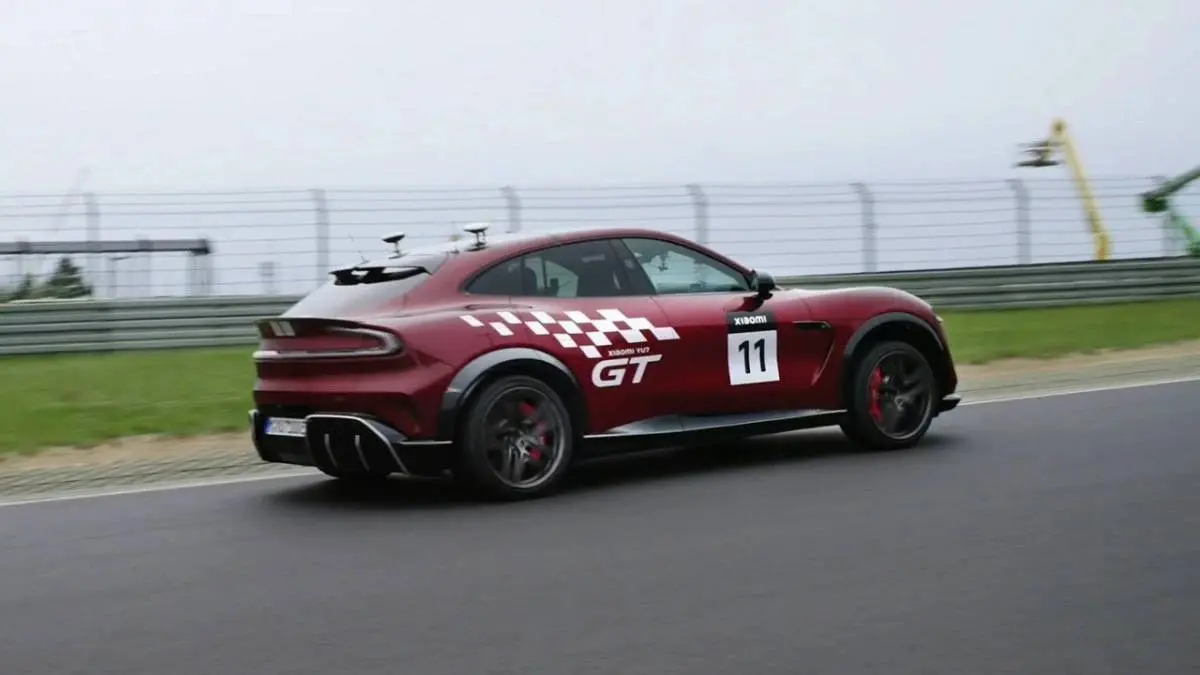
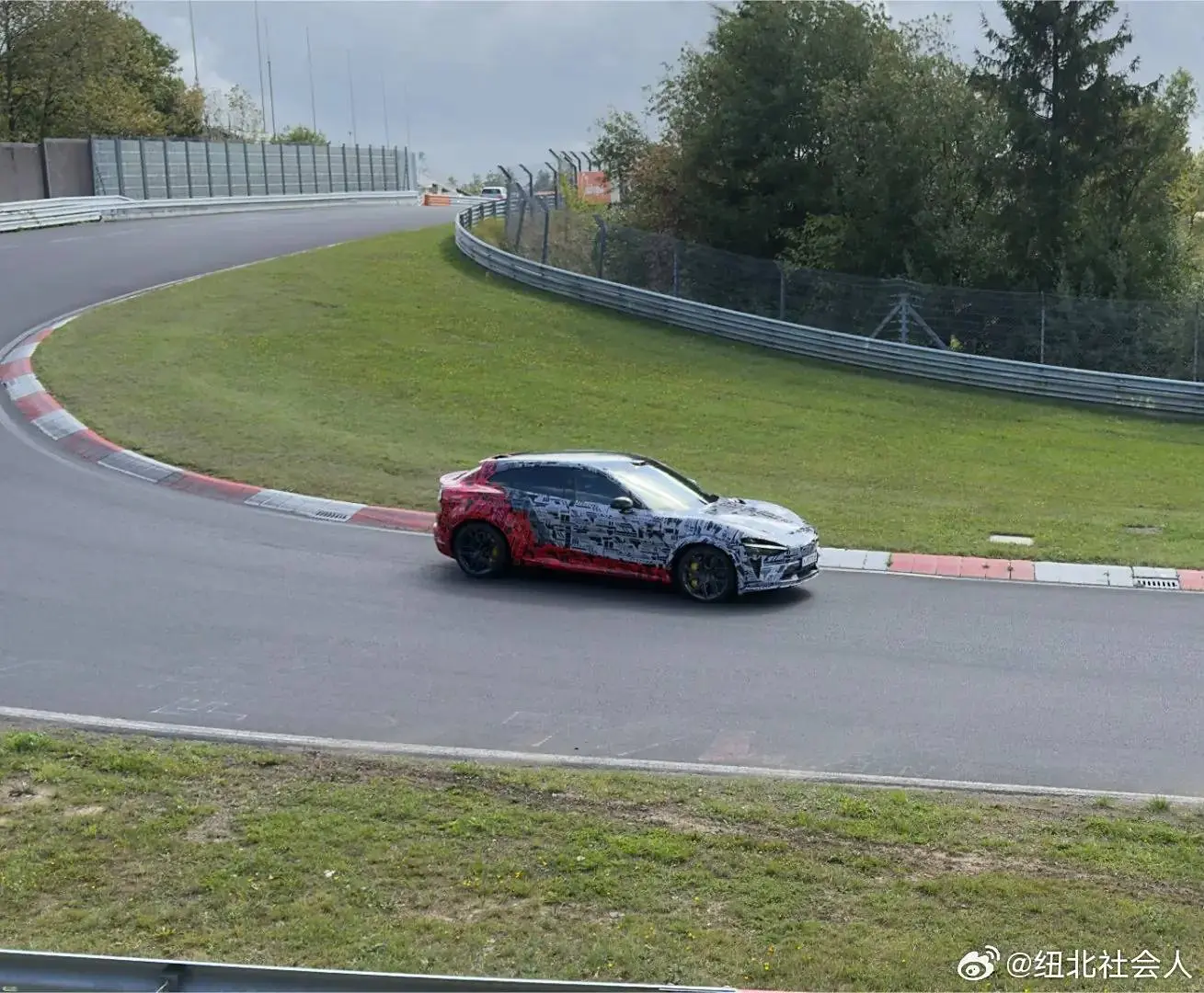
A 1,003-horsepower electric SUV lapped the Nürburgring Nordschleife recently with nobody in the driver's seat. Xiaomi's YU7 GT completed 20.8 km and all 73 corners in 10 minutes 29.483 seconds — the first officially timed autonomous lap of the world's most demanding race circuit. No human takeover, no remote intervention. Just lidar, radar, 11 cameras, and an NVIDIA DRIVE AGX Thor chip processing 700 TOPS worth of sensor data in real time, under partially wet conditions.
Summary
- The Xiaomi YU7 GT completed the world's first official driverless Nürburgring Nordschleife lap on June 8, clocking 10:29.483 under partially wet conditions with zero human intervention.
- The autonomous system used lidar, 4D millimeter-wave radar, 11 HD cameras, 12 ultrasonic radars, and NVIDIA DRIVE AGX Thor at 700 TOPS running Xiaomi's HAD software and Auto World Model framework.
- The AI finished 3 minutes and 7 seconds slower than professional driver Ren Zhoucan's human-driven record of 7:22.755 — itself the fastest SUV lap ever recorded at the Nordschleife, beating the Audi RS Q8 by 14 seconds.
- The car braked significantly earlier than human racers, avoided kerbs throughout, and had the circuit to itself — InsideEVs raised questions about whether a teleoperator may have been remotely available, though Xiaomi says no intervention occurred.
- Xiaomi's YU7 GT sales have dropped sharply — from a peak of 39,089 units in December 2025 to 8,736 units in May 2026, an 11.5% month-on-month decline — making this record attempt partly a strategic brand move.
What 10 Minutes 29 Seconds Actually Means
Context matters at the Nürburgring. A cautious first-timer in a daily driver typically finishes in around 11 minutes. The autonomous YU7 GT beat that pace, which tells you the software can handle sustained high-speed vehicle dynamics without catastrophic failure. But amateur enthusiasts targeting the nine-minute barrier, hobbyists in mid-range sports cars, a Transit van from the 1980s — all faster. That's the honest framing.

The comparison that stings is the human-driven YU7 GT itself. Ren Zhoucan set 7:22.755 in the same car — a time that smashed the Audi RS Q8's previous electric SUV record by nearly 14 seconds. The AI was over three minutes behind that. On a 20.8 km circuit, three minutes isn't a gap. It's a different category of performance.
Xiaomi said it openly: this is "not the end, but a new beginning." The value isn't the lap time. It's the data.
The Hardware Doing the Work
The YU7 GT's autonomous hardware stack is more capable than the run's modest lap time suggests. A lidar sensor, 4D millimeter-wave radar, 11 high-definition cameras, and 12 ultrasonic radars feed into an NVIDIA DRIVE AGX Thor platform delivering 700 TOPS of compute for multi-sensor fusion. Xiaomi's HAD advanced driver assistance system runs on top of that, using its Auto World Model framework for 3D scene reconstruction and video-generation-based prediction of complex driving environments.

That tech wasn't built for Nürburgring laps. It's production road-car hardware, developed by Xiaomi's Europe R&D Center in Munich, and the track was chosen specifically to stress-test it at extremes that public roads can't replicate — high-frequency torque vectoring, millisecond stability control, rapid weight transfers through blind crests and off-camber corners.
"The Nürburgring is evolving from a proving ground for powertrain engineering into a benchmark for autonomous software. Xiaomi is using it for both at once — and doing so only a few years after entering the car business entirely."
The Legitimate Questions
InsideEVs raised a fair concern worth including: the YU7 GT had the circuit to itself during the autonomous run, with no other traffic to navigate or react to. Whether a teleoperator was available remotely is unclear — Xiaomi says no intervention occurred, but the autonomous architecture details haven't been fully disclosed. These aren't reasons to dismiss the achievement. They are reasons not to overstate it.

The Sales Slide in the Background
Nürburgring records are good marketing, and Xiaomi needs some. YU7 GT sales peaked at 39,089 units in December 2025. By May 2026, that number had fallen to 8,736 — an 11.5% month-on-month drop and a sharp contraction from the early launch excitement. The autonomous lap is a statement of technical ambition as much as a product demonstration. Whether it translates to showroom traffic is a different question entirely.
Popular News


Latest News
Loading