Samsung, SK Hynix, Micron Start DDR6 Development Ahead of Next-Gen Memory Shift
ComputersTuesday, 05 May 2026 at 04:28
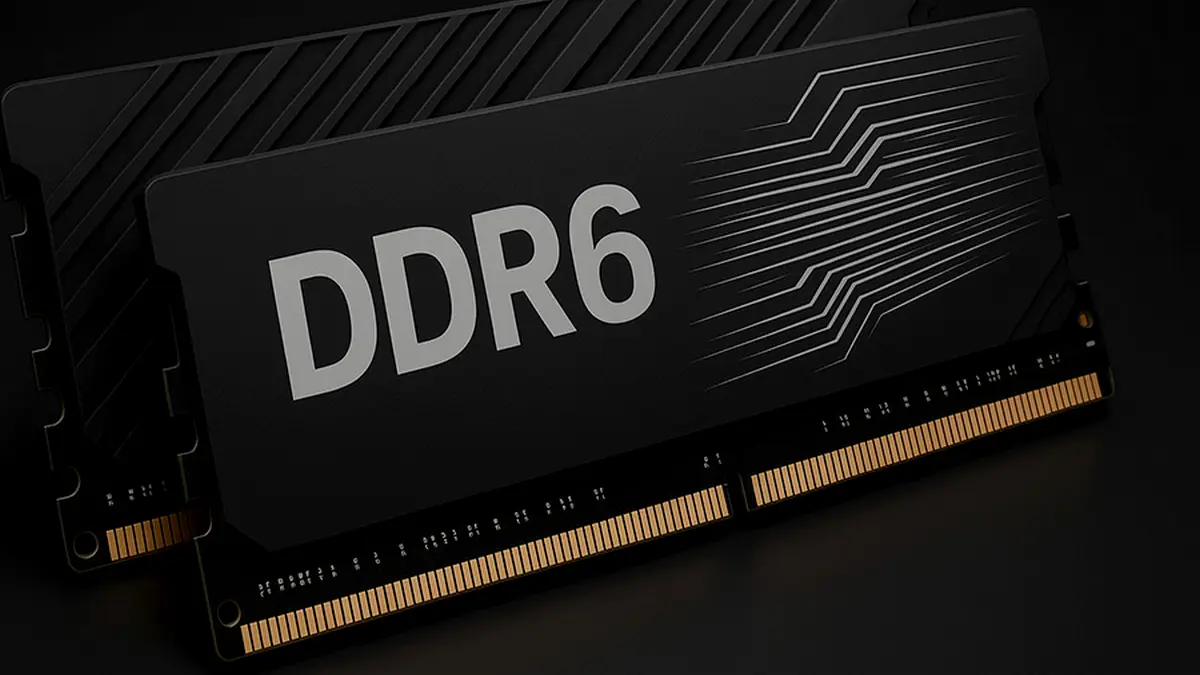
The RAMageddon isn't ending anytime soon, but the biggest manufacturers in this segment are ready for the next step. While consumers are fighting for affordable DDR5, DDR4, and now, even DDR3 memory sticks, the companies are ready for the next DDR6 standard. According to a recent report, major manufacturers like Samsung, SK Hynix, and Micron have started early work on DDR6 memory. This marks the beginning of a new phase for high-speed computing hardware.
The DDR6 Evolution is Already in Motion
Even though the official standards from JEDEC are not finished yet, companies are not waiting. Instead, they are moving ahead with research and planning. They have already asked their partners to prepare the needed designs and materials. This helps make sure everything is ready when DDR6 moves closer to mass production.

The goal right now is to create test samples. These early versions will help engineers check performance, stability, and design limits. By starting now, these companies want to avoid delays later and stay ahead of the competition. Considering the current state of RAM technology, it makes sense for the manufacturers to try to anticipate every detail.
Key points
- Samsung, SK Hynix, and Micron begin DDR6 development
- JEDEC standards are still not finalized
- Companies already working with suppliers
- Focus on early test samples and design
- DDR6 could offer much higher speeds than DDR5
According to the early reports, the DDR6 standard is expected to bring a big jump in performance. The first estimates suggest it could be up to twice as fast as current DDR5 memory. This means faster data transfer and better support for heavy workloads like AI, gaming, and large data processing.
Read also
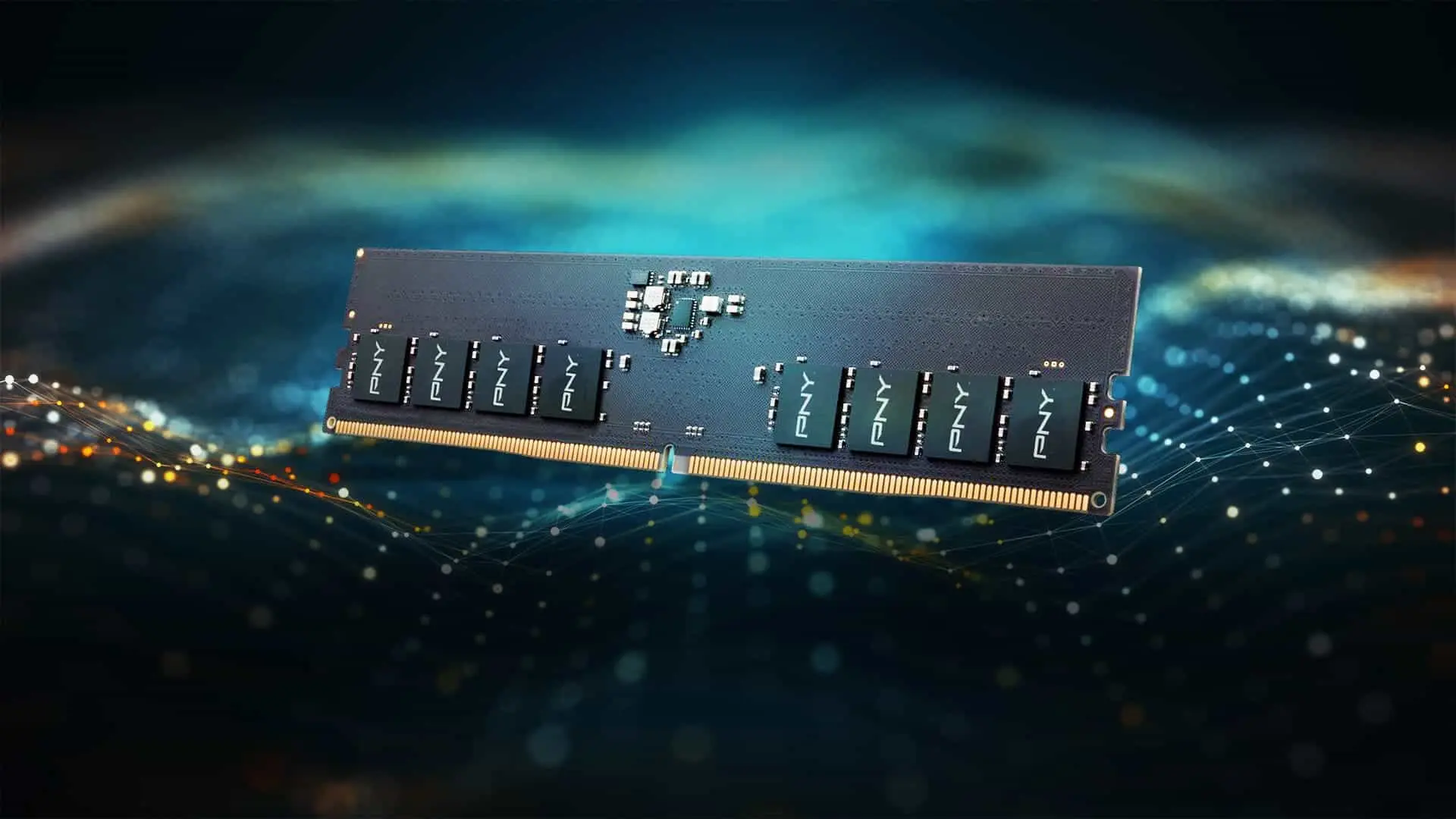
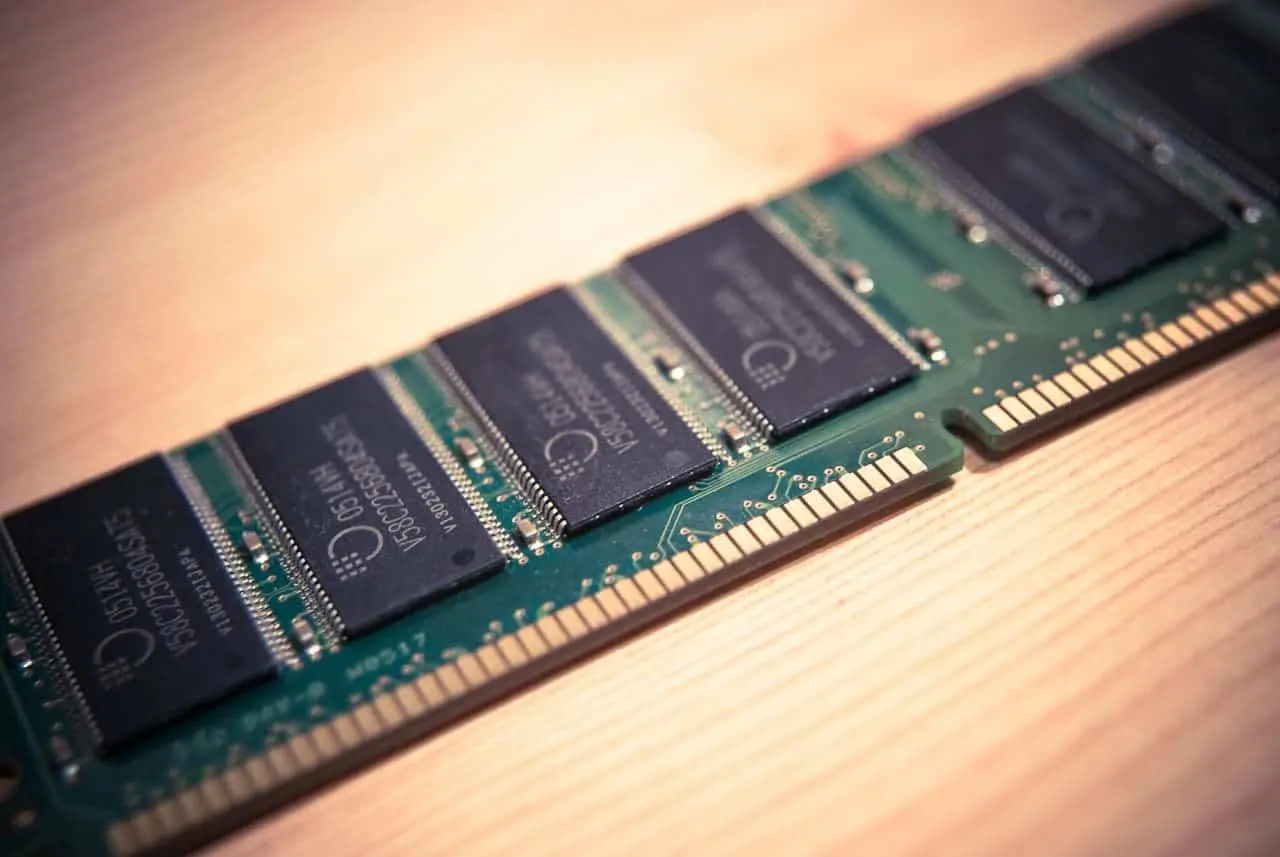
The companies are also working closely with their supply chains. This includes substrate makers and other partners who help build the final product. Getting everyone aligned early is key to a smooth launch later. While there is still time before DDR6 reaches consumers, the work happening now is important. It shows that the industry is already preparing for the next big upgrade in memory technology.
Meanwhile, the final consumers will keep fighting to get affordable RAM sticks, while manufacturers are more interested in the infinite demand from AI companies.
Popular News


Latest News
Loading