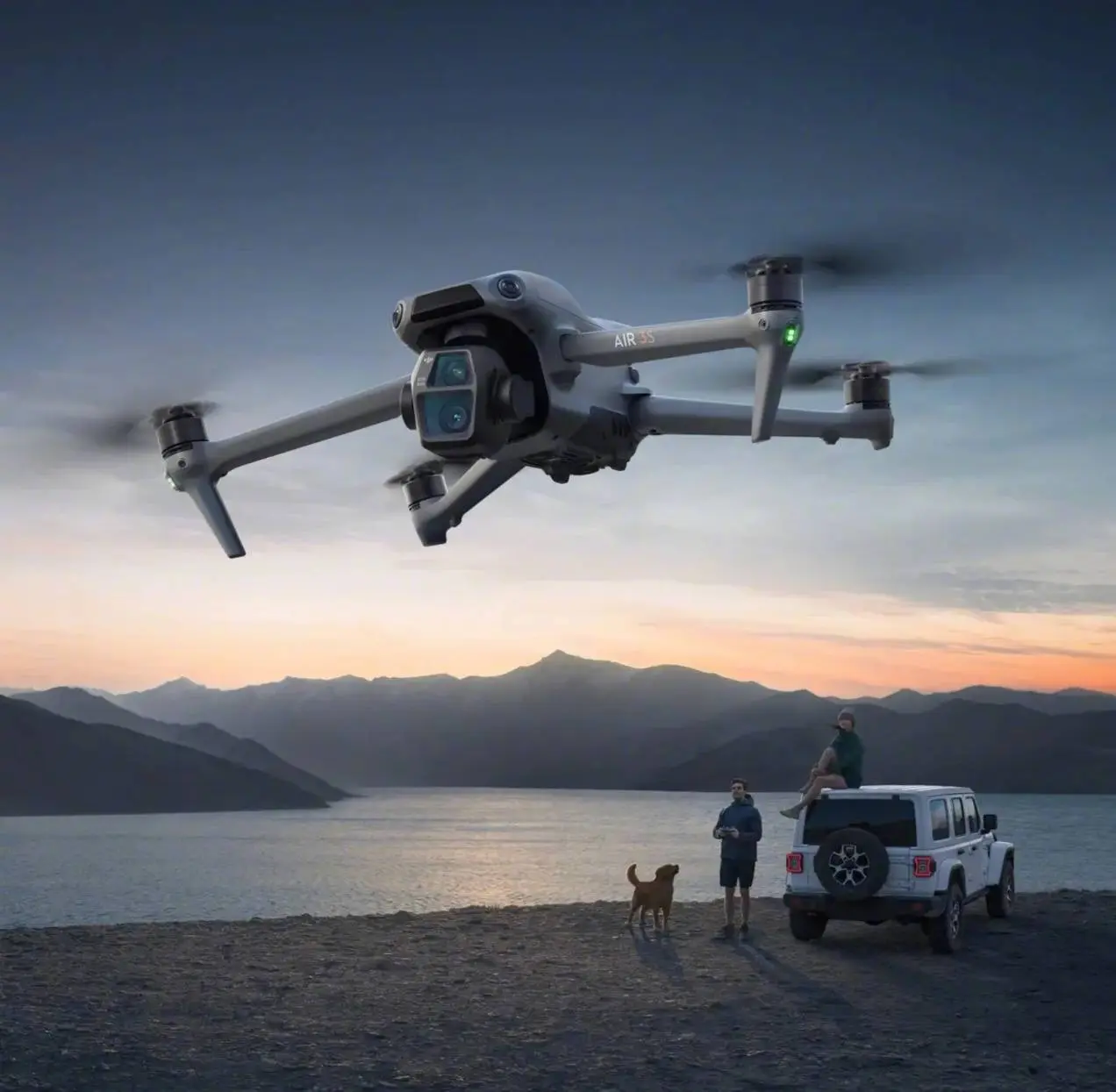
Ten billion yuan. Net profit. From drones.
That's not a typo. DJI's drone business cleared over 10 billion yuan in net profit last year — and the comparisons people are making to put that number in context are genuinely wild.

Key Takeaways:
- DJI's drone business generated over 10 billion yuan in net profit last year, placing it alongside BYD in automotive and Xiaomi's smartphone division in consumer electronics
- The scale of DJI's profitability reflects not just strong demand but an exceptionally wide competitive moat built over years of hardware and software investment
- Executives at rival drone companies have openly admitted they stopped analyzing DJI's strategy, calling it "meaningless" given the gap in capability and scale
- DJI's own product teams reportedly don't monitor competitors closely — a signal of how dominant their market position actually is
- The combination of technical leadership, manufacturing scale, and brand trust creates a three-layer barrier that makes challenging DJI increasingly difficult for any new entrant
Who Else Makes This Kind of Money?
To understand how big this is, you need a reference point.
In China's automotive sector, only BYD — one of the biggest car companies on the planet right now — posts comparable profits. DJI makes drones. Flying cameras. And it's keeping pace with a company that ships hundreds of thousands of vehicles a year.
It gets more interesting. DJI's drone profits reportedly match what Xiaomi makes from its entire smartphone division. Xiaomi. One of the largest phone brands in the world. Same ballpark.
That's not a niche tech company doing well. That's a category-defining business running at a completely different altitude than its peers.

The Competition Basically Gave Up
Here's the part that sticks with me.
Executives at second-tier drone companies — DJI's closest rivals — have reportedly stopped trying to analyze DJI's strategy. Their words, not mine: it's "meaningless." They can't keep up, they know it, and they've moved on to figuring out what's left for everyone else.
Meanwhile, DJI's own product managers apparently don't watch competitors closely either. Not because they're arrogant — but because there isn't much worth watching. When you're that far ahead, the rearview mirror stops being useful.
That's a brutal competitive dynamic. And frankly, it's rare to see it this clearly stated out loud.

What's Actually Driving This?
DJI didn't stumble into dominance. The company spent years building hardware that genuinely works better than everything else. Stabilization, image quality, flight control, software integration — they moved fast and kept moving.
The result is a moat that competitors find nearly impossible to cross. Not just technically. Economically too.
Matching DJI on specs requires massive R&D spend. Matching them on price requires scale they don't have. Matching them on brand trust requires time nobody wants to give them. It's a three-way lock that 10 billion yuan in annual profit makes even harder to break.
The drone market has a clear winner. It's been that way for a while. These numbers just make it official.
Popular News



Latest News
Loading