Electric
cars are sold as smart machines that get better with time. You hear that the
car will update on its own, guide you with ease, and even handle parts of the
drive. It sounds simple. Buy the car today, and it will grow smarter tomorrow. But
many drivers say daily use feels less smooth than the sales talk. The gap is
not always huge or dramatic. It shows up in small, steady ways that add up over
time.

Updates that do not always help
One big
promise is that the car will get better with time. Like a phone, it will gain
new tools and fix old bugs through over the air updates. In truth, some updates
help. Range can rise. A new map can load. A small bug may fade.
But some
updates also bring new bugs. A screen may freeze. A key may not link right. A
sound may drop out. And when this hits, the fix is not as quick as the ad made
it seem. You may wait days for a patch. You may have to book a shop visit for
what felt like a simple code flaw. That gap wears on trust.
Driving help that still needs full attention
Many
electric cars come with systems that help with steering, speed, and braking. In
good weather, on clear roads, these tools can reduce stress. They can keep the
car in its lane and adjust speed in traffic.
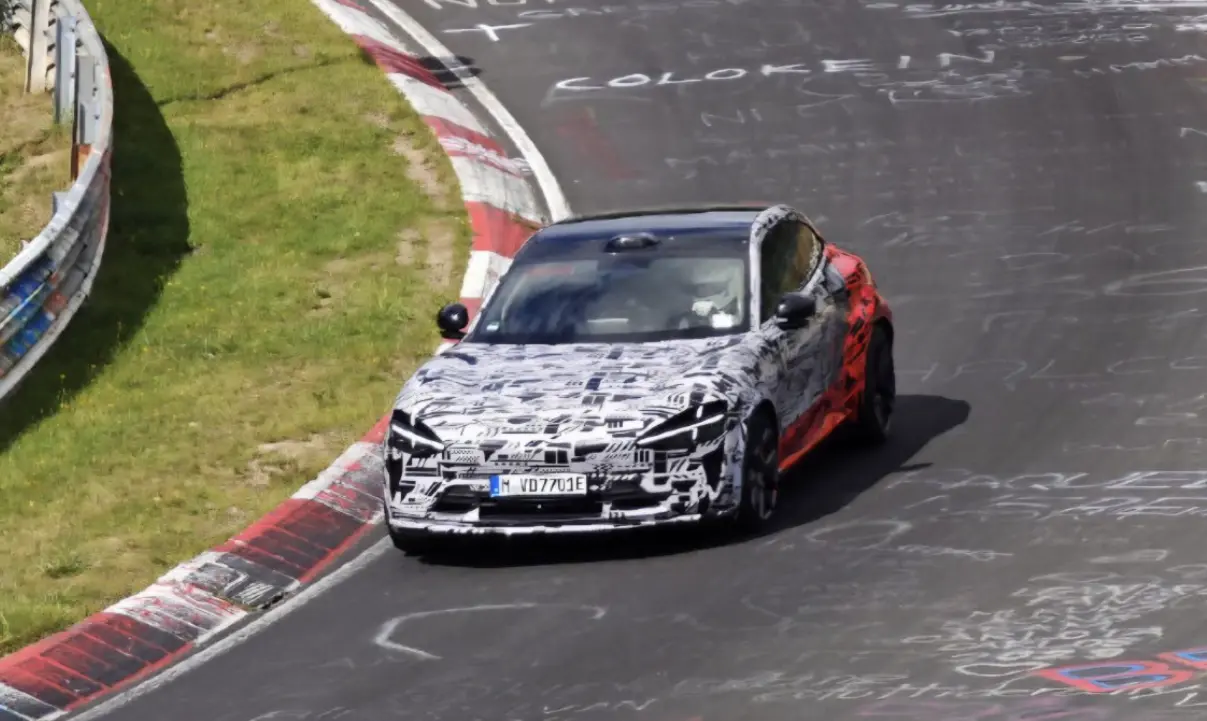
But real
roads are not perfect. Faded road lines, heavy rain, sharp curves, or busy city
streets can confuse the system. Some drivers report sudden warnings or
unexpected braking. Others say the car switches off the assist feature without
much notice. The result is that drivers still need to stay fully alert at all
times.
Too much on the screen
Inside many
electric cars, most controls sit on a large touch screen. It looks modern and
clean. There are fewer physical buttons.
In daily
use, though, this design can feel less practical. To adjust the air flow or
seat heat, you may need to tap through several menus. If the screen responds
slowly, it adds to the frustration. Doing this while driving can take more
focus than turning a simple knob.
Range fear is not gone
Range has
grown a lot in the past few years. Many new cars can go far on one charge. Yet
daily life is not just about max range. It is about cold days, fast roads,
hills, and full loads. All of these can cut range.

The dash
may say you have 60 miles left. Then a cold wind hits, and that drops fast. Or
a fast road eats more power than you thought. Add a long line at a charge spot,
and stress can rise. The sales line often shows best case runs. Real life is
less simple.
Apps and links that fall short
Most
electric cars now lean on phone apps. You can lock the car, check charge, warm
the seat, or plan a trip from your couch. When it works, it feels great.
But apps
can lag. They can log you out. They may not show the right charge level. A link
may fail when you need it most. And if the firm has a server down, your smart
car can feel less smart.
Closing the gap
None of
this means electric cars are bad. Many love the smooth ride, the low noise, the
low fuel cost. They do not want to go back.
But when
firms sell a near perfect tech life and the daily drive feels half done, trust
slips. Drivers want clear talk. They can live with limits if those limits are
said up front.
The gap is
not just about code. It is about trust. When brands close that gap, by slow and
real gains, not just bold ads, the road ahead will feel less tense and more
true.
loading
Popular News


Latest News
Loading