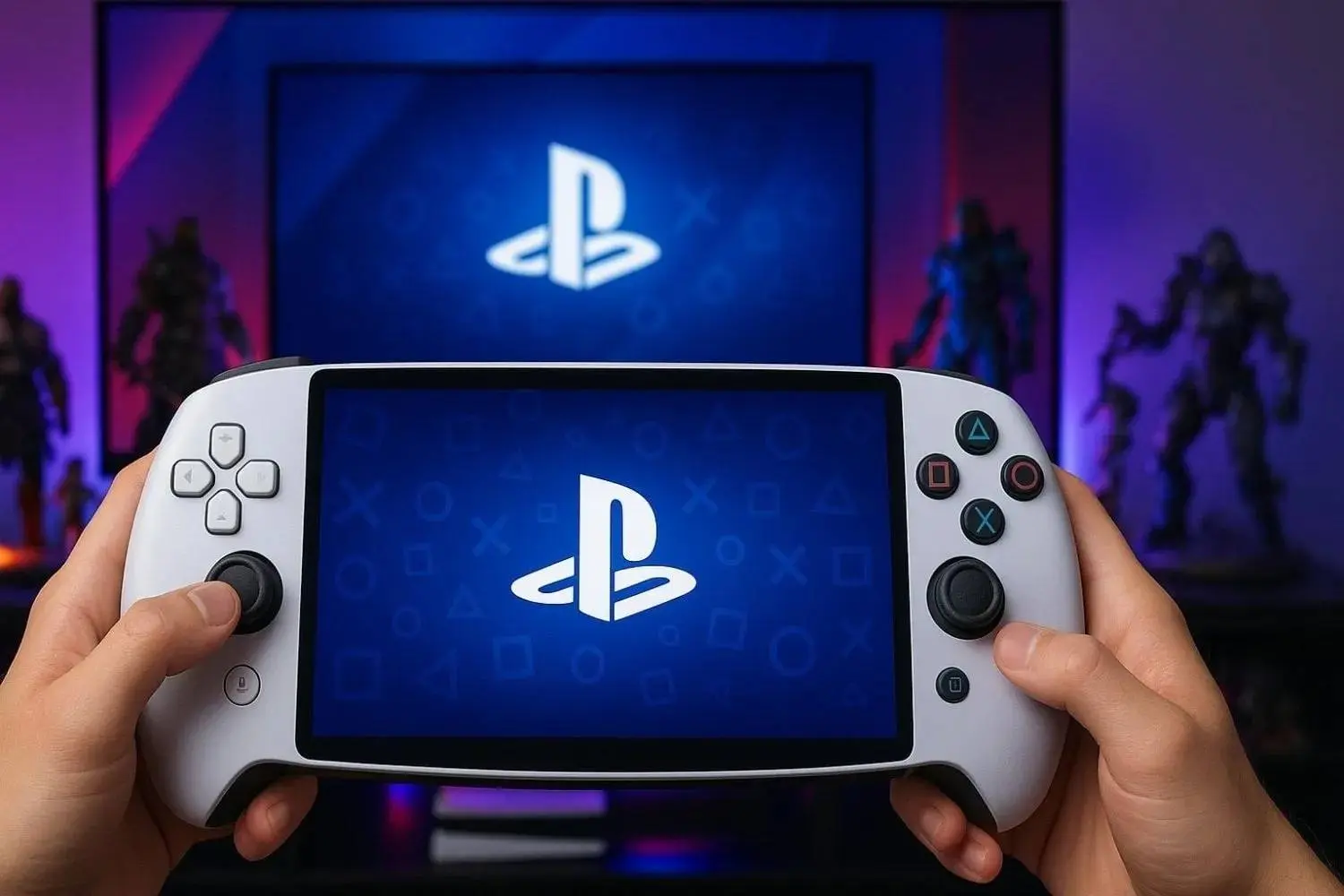
If you’ve been following PlayStation for a while, you know the history of their handhelds is a bit of a mixed bag. The PSP was a massive hit, but the Vita struggled despite being a beautiful piece of hardware. Since then, Sony has mostly stayed on the sidelines, watching the Nintendo Switch and the Steam Deck take over the portable world. But the latest leaks about "Project Canis" suggest that Sony is finally ready to jump back in. This isn’t just some accessory or a remote-play tool like the PlayStation Portal. We are looking at a native, standalone console that could launch right alongside the PlayStation 6.

What’s really interesting here is the timing. Usually, console makers focus on one giant box at a time. But the industry has changed. People don't want to be tied to their living room TV anymore. Sony seems to realize that if they want to keep people in their ecosystem, they need a device that goes where the player goes. This new project isn't just a side hustle—it looks like a core part of their next-gen strategy.
Key Points:
- Sony is prepping "Project Canis," a native handheld to launch with the PS6.
- The device targets 1080p native play with PS4 and PS5 backwards compatibility.
- Features custom Zen 6c cores and RDNA 5 graphics for flagship-level portable power.
- New "Power Saver" dev tools suggest Sony is preparing a huge library for mobile.
- A hybrid "Docked Mode" will boost performance when connected to a TV.
The "Trojan Horse" in Your PS5
One of the most convincing pieces of evidence for a new handheld isn't a blurry photo or a factory leak. It’s actually hidden inside the software of the PS5 you might already own. Recently, developers have reported that Sony is pushing them incredibly hard to support a new "Power Saver" mode. On the surface, it sounds like an eco-friendly update, but insiders like Moore's Law Is Dead have pointed out something much more interesting.
Sony has reportedly patched every single version of their development kit—going all the way back to version 1.0—to include these power-saving features. They didn't even do that for the PS5 Pro. This suggests that getting games to run efficiently at lower power is a massive priority for them. Why? Because if you want a handheld to have decent battery life, you can't have games sucking up 200 watts of power. By making developers optimize their games now, Sony is building a massive library of "portable-ready" titles before the PS6 handheld even hits the shelves.

Breaking Down the Rumored Specs
So, what is actually going to be inside this thing? The codename "Canis" refers to the custom APU (the chip that handles both the brain and the graphics) being designed by AMD.
- The CPU Side: Leaks point to a 6-core setup. It’s expected to have four Zen 6c cores. The "c" stands for "compact," meaning they are designed to be smaller and more efficient than the ones in a desktop PC. It also supposedly includes two low-power cores just to handle the operating system, which frees up the main cores to focus entirely on the game.
- The Graphics Power: This is where it gets exciting. It’s rumored to use the RDNA 5 architecture. To put that in simple terms: it’s expected to be much faster than an ROG Ally or a Steam Deck. In fact, some leaks suggest that when it’s plugged into a TV, it could perform similarly to a base PlayStation 5.
- Memory: To handle high-res textures, Sony is reportedly looking at 16GB or even 24GB of LPDDR5X RAM. This is a big deal because memory bandwidth is usually the "bottleneck" that makes handheld games look blurry or choppy.
The Hybrid "Docked" Secret
The big question is how this fits into the "main" PS6 lineup. If Sony follows the rumors, they aren't trying to make a "weak" console. Instead, they are building a hybrid. When you're on the train, the device runs at a lower speed to save battery—likely targeting a solid 1080p resolution.
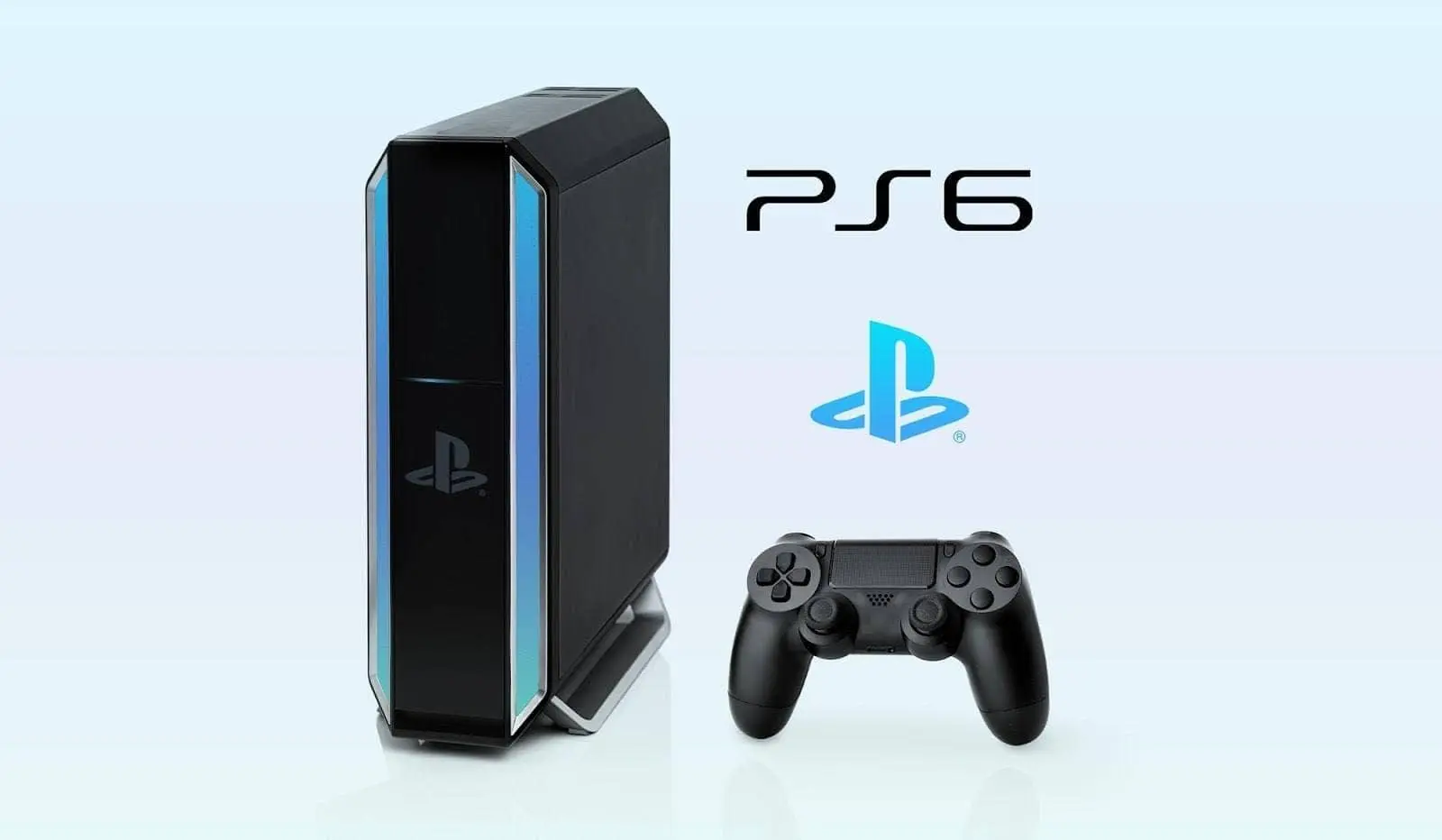
But the leaks also mention a "Docked Mode" via USB-C. When you plug it into a TV, the chip could "overclock" itself. It won't hit the 4K/120fps heights of the main PS6 home console (codenamed "Orion"), but it might give you a perfect 1440p experience. This gives Sony two products: a high-end box for the hardcore fans and a portable hybrid for everyone else. It’s a way to cover the whole market without forcing everyone to buy a $600 machine.
Will It Hold Back Next-Gen Games?
There is a lot of debate among gamers about whether a handheld will "hold back" the main PS6. We’ve seen this before with the Xbox Series S, where developers sometimes struggle to make games work on the weaker hardware. If every PS6 game has to run on a handheld, will the home console version be less impressive?
Sony’s plan seems to rely on AI upscaling. They are reportedly working on PSSR 2 (PlayStation Spectral Super Resolution). This tech uses AI to take a low-resolution image and make it look like 4K. If the handheld can run a game at 720p, and the AI makes it look like 1080p, the developers don't have to cut out the physics or the number of enemies on screen. It’s a way to keep the game "the same" across both devices, just at different levels of sharpness.

The Competitive Landscape
Sony isn't doing this in a vacuum. Nintendo is about to launch the Switch 2, and rumors of an Xbox handheld are everywhere. The days of Sony ignoring the portable market are clearly over. They’ve seen that people are willing to pay for a premium portable experience. If they can offer a device that plays your entire PS4, PS5, and eventually PS6 library on the go, it becomes a very easy sell for the millions of people who already have a huge digital collection of games.
We are still a few years away from an official reveal—most signs point to a 2027 or 2028 launch. But the groundwork is being laid right now. Between the power-saving updates and the hardware leaks from AMD, the picture of a portable PlayStation future is becoming very clear.
Popular News
Latest News
Loading