Wide-Screen Foldables and Super-Large Air Models Launch Q4 2026
EditorialSaturday, 07 March 2026 at 09:12
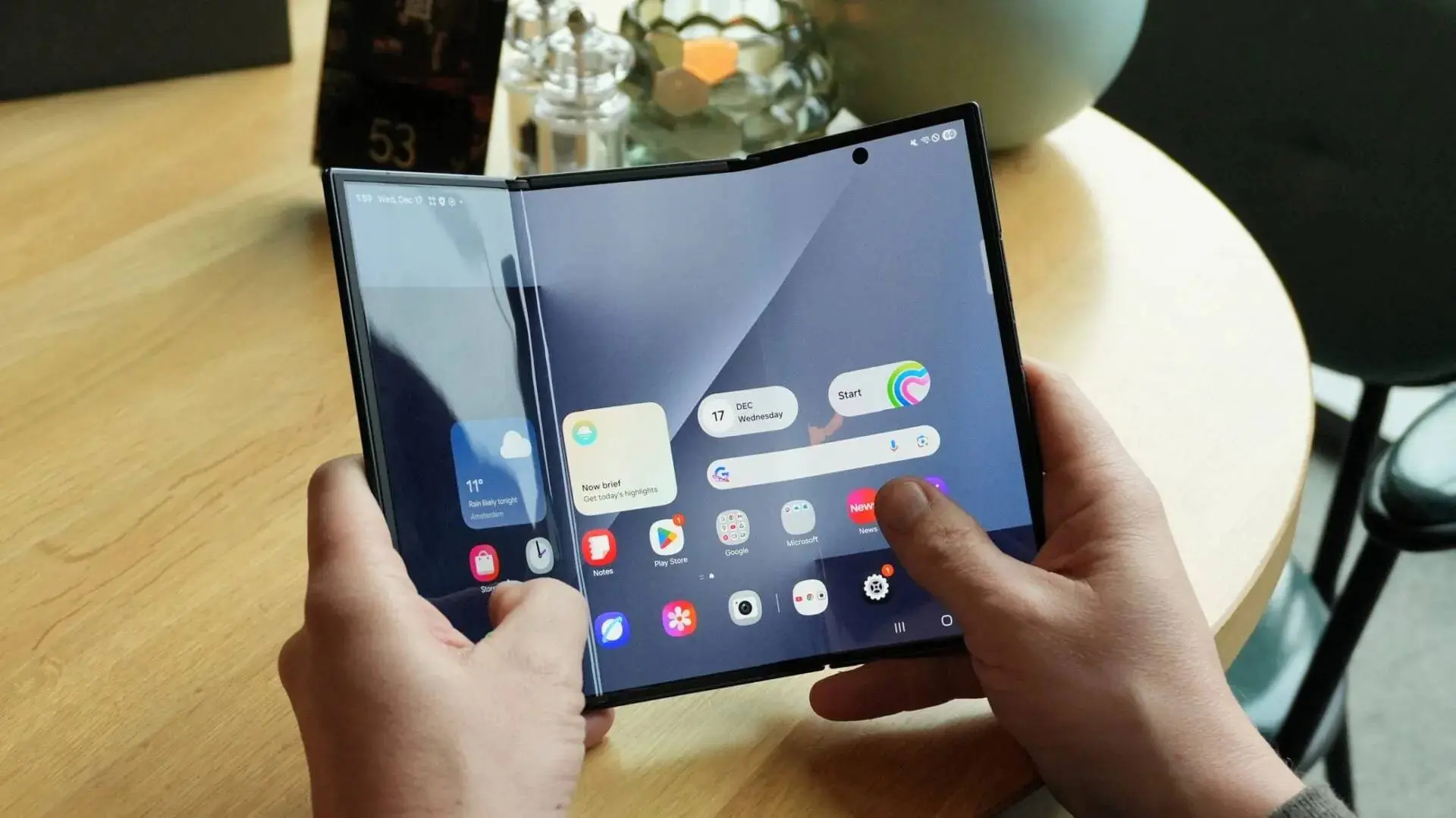
Phone companies are testing crazy new designs this year. Wide-screen foldables. Wide-screen regular phones. Super-large "Air" models. All coming to stores throughout 2026.
Key Points:
- Wide-screen foldables, wide-screen straight phones, and super-large Air models launching 2026
- Super-large-screen Air phone expected Q4 2026 launch, likely November timeframe
- Smartphone prices rising continuously throughout entire 2026 year across all segments
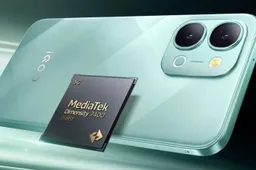
- iQOO 16 uses X300s-based imaging solution for camera system
- Manufacturers experimenting aggressively with form factors seeking differentiation

Wide Screens Everywhere
Wide-screen foldables change how folding phones look completely. Current foldables open into almost-square screens. These new ones stretch wider instead. Way better for watching movies. Running two apps side by side. Getting work done.
Makes sense honestly. Square screens work great for scrolling social media or reading articles. But lots of tasks need horizontal space. Video editing. Looking at photos. Comparing documents. Spreadsheets. All these benefit from wider screens.

Wide-screen straight phones do the same thing without folding. Just wider regular phones. Targets people wanting more screen width without paying crazy foldable prices.
The phrase "playing tricks" sounds weird in English. Basically means companies trying wild experiments hoping something sticks. They test concepts internally first. Popular ones become real products. Failures stay hidden.
Huge Air Phone Drops November
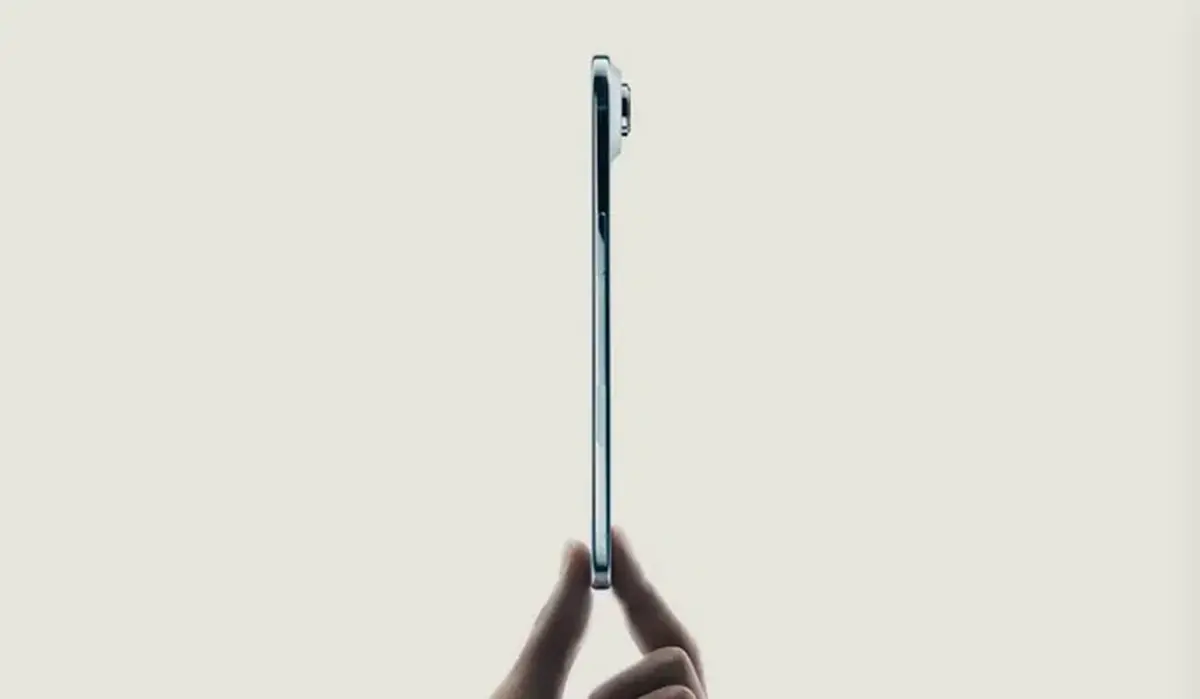
A "super-large-screen Air phone" launches Q4 2026. Probably November based on past patterns. "Air" means thin and light despite big size.
Super-large means really big. Maybe 7 inches. Possibly 7.5 inches. Almost tablet-sized but still technically a phone you can pocket.
Here's the challenge: big screens need big batteries. Big batteries add weight. Making something light while going huge requires expensive materials and smart engineering.

Will people actually buy phones this big? Unclear. Phablets died years ago when regular phones grew bigger. Most folks settled on 6.5-6.8 inches as perfect. Going way larger only appeals to specific users probably.
Prices Keep Climbing
Prices rise continuously all year long. Not just once at launch. Ongoing increases hitting every price tier. Budget phones. Mid-range. Flagships. All getting pricier.
Why? Component costs keep going up. Memory chips cost more. Displays cost more. Processors cost more. Camera sensors cost more. Companies can't eat these increases forever without killing profits.
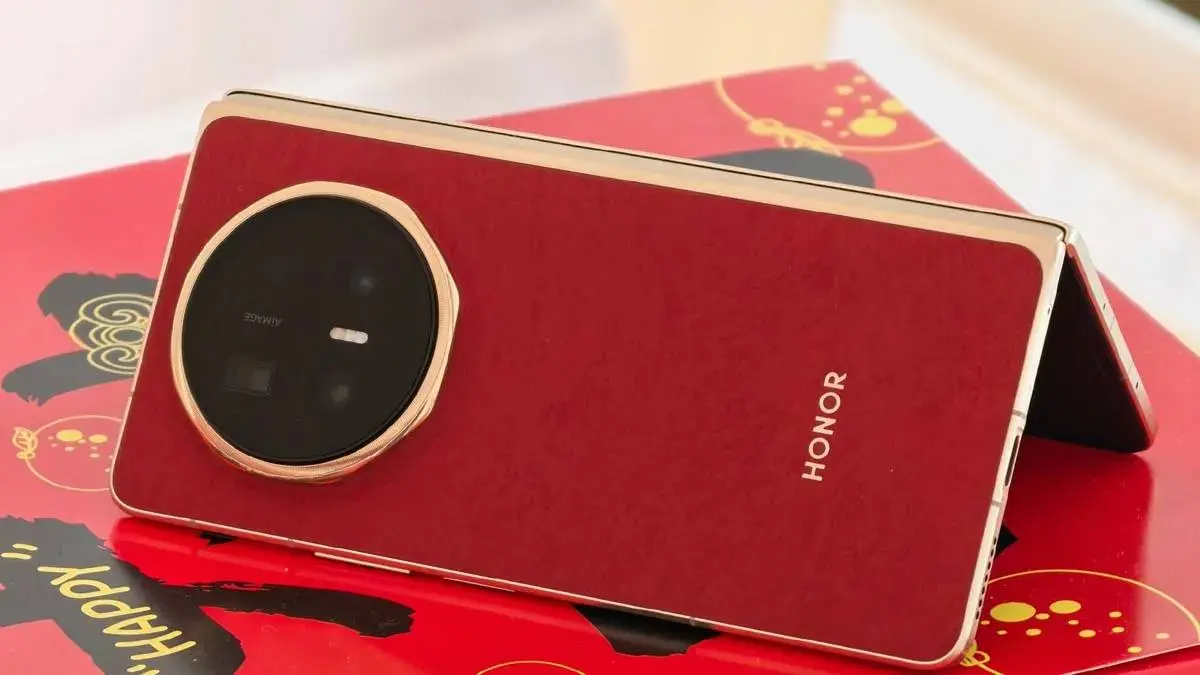
New weird designs also cost more making. Custom wide screens need special manufacturing. Foldable hinges are complex and expensive. Lightweight materials for Air models aren't cheap. All these costs land on buyers eventually.
The continuous part matters. Usually prices jump at launch then stay stable. This sounds like gradual creeping upward all year as costs keep rising.
iQOO 16 Camera Details
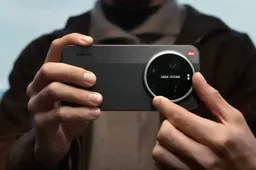
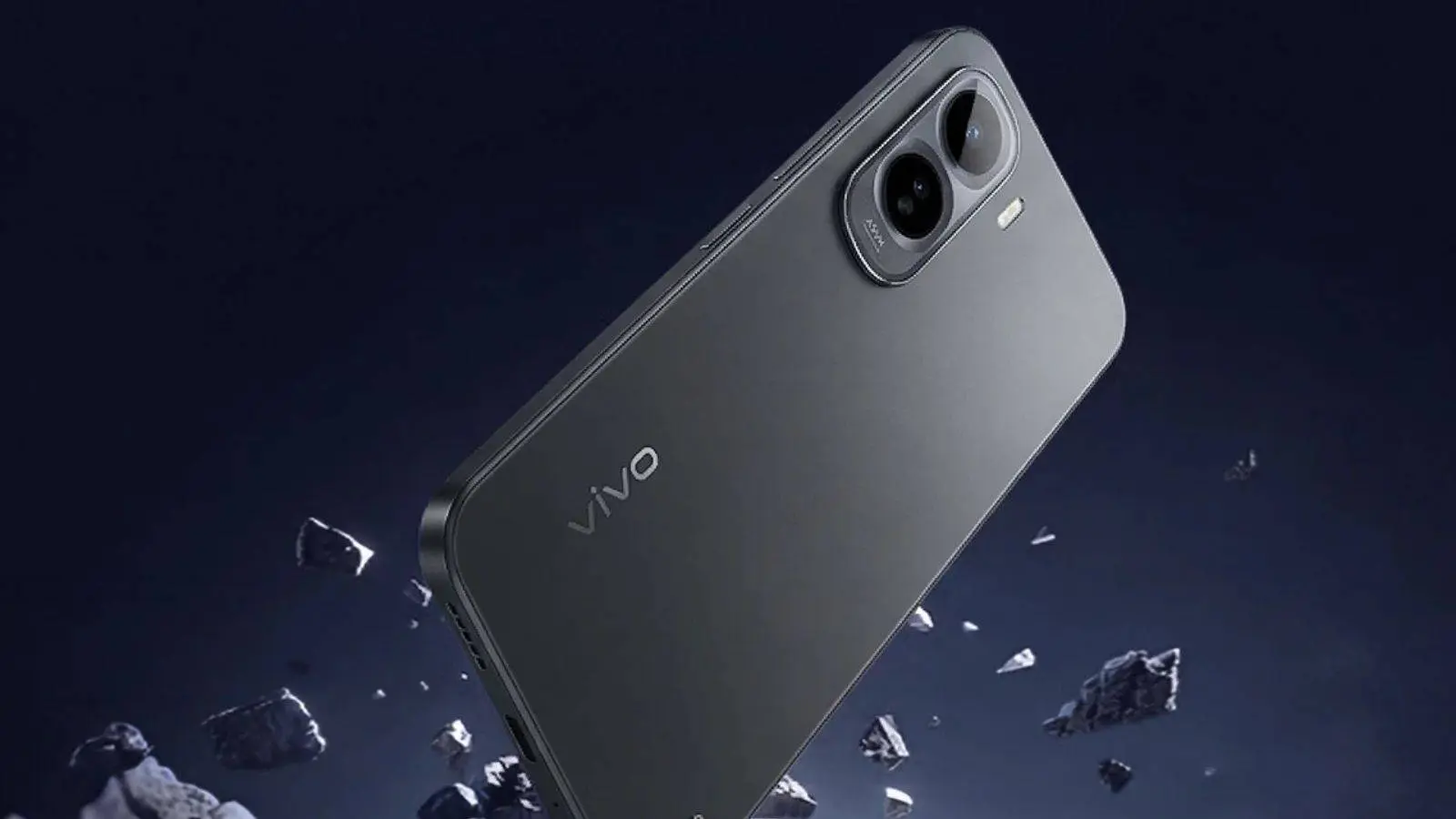
iQOO 16 uses camera tech based on the "X300s scheme" according to leaks. Vague phrasing. Probably means similar camera hardware and software as vivo's X300s phone.
iQOO and vivo are sister brands owned by the same company. They share camera technology between phones often. Saves money developing one system then using it across multiple brands.

What exactly carries over from X300s? Could be the actual camera sensor. Might be image processing software. Maybe lens setup. Possibly everything together.
Bottom Line Reality
2026 brings more experimental phones than usual years. Companies feel desperate standing out. Markets are totally saturated. Everyone has smartphones already. Growth stopped.
So brands try weird stuff hoping to spark interest. Wider screens. Unusual sizes. Ultra-thin big phones. All attempts at differentiation when specs mostly plateaued everywhere.
Big question: do buyers actually want this stuff? Or are companies just hoping to create artificial demand?
Experiments sometimes work great. iPhone was experimental once. Foldables seemed crazy initially. But lots of experiments flop hard too. Remember 3D phones? Curved edge screens that everyone hated? Modular phones that died?

The super-large Air phone seems especially risky. Niche appeal. High costs making them. Uncertain demand. But internal testing presumably showed enough interest justifying production.
Price increases affect everyone though. Can't avoid those. Component costs rising impacts all phones regardless of form factor. Budget buyers. Flagship buyers. Everyone pays more in 2026.
Whether these wild new form factors succeed or fail, we'll know by year end. Some will probably stick around. Others will quietly disappear never mentioned again. That's how phone industry experiments always work.
Companies throw stuff at the wall seeing what sticks. Winners get expanded into full product lines. Losers get memory-holed like they never existed. 2026 will separate winners from losers pretty fast.
Popular News

Latest News
Loading