For years, Android users have watched iPhone owners effortlessly share files with other Apple devices while fumbling with email attachments and cloud links. That frustration might finally end.
Key Points
- Quick Share gaining iPhone/iPad/Mac compatibility across Android devices in 2026, not just Pixel phones
- Google rebuilt Quick Share as a Play Store app, removing hardware restrictions
- Direct file transfers between Android and Apple devices without third-party apps or cloud services
- Nothing confirmed support; Qualcomm hinted at Snapdragon device compatibility
- No official device list or specific release dates announced yet
Quick Share Expands Beyond Pixel
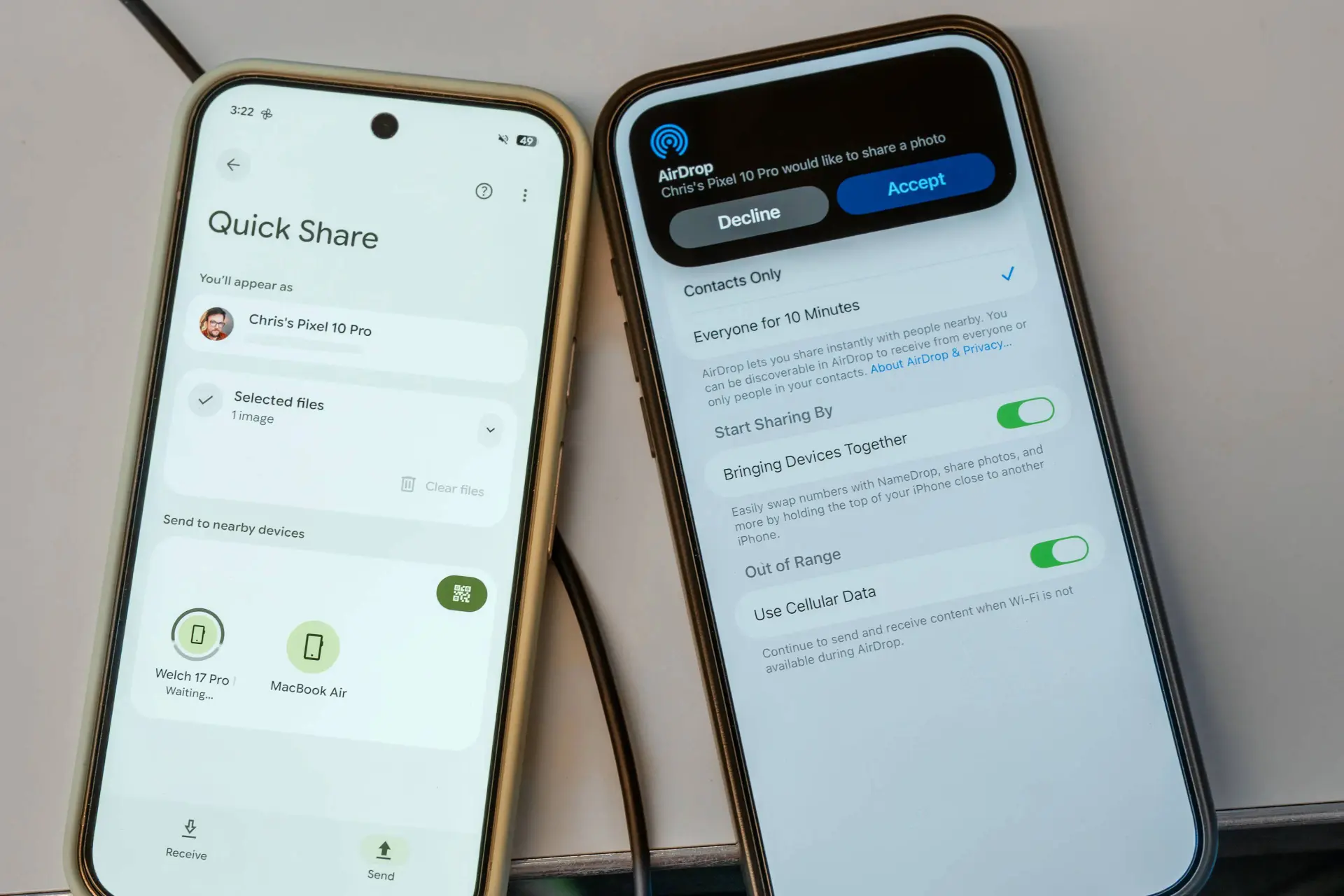
Google told Android Authority they're bringing Quick Share's iPhone compatibility to more phones throughout 2026. Right now, only people who bought the Pixel 10 series can use it. Everyone else is stuck finding workarounds when friends with iPhones want to swap photos or documents.
The company launched this feature last year but locked it to their newest flagship. Plenty of Android fans complained about the decision. Why should one phone line get all the perks?

Technical Changes Make Wider Rollout Possible
Things shifted when Google redesigned Quick Share as a full Play Store app instead of buried system code. That technical change matters because it separates the feature from specific phone chips or components. Your device just needs the app to work with Apple products.
At a press event in Taipei, Eric Kay from Google's Android engineering team talked about what's next. He said they've already made it work with iPhones, iPads, and MacBooks. Now they're getting other phone makers involved to push it out wider.
Closing the Gap With Apple
That's a smart play. Apple's had this advantage locked down for ages. Their users tap a few buttons and files fly between devices instantly. Android people? They've been dealing with clunky alternatives or giving up entirely.
We don't know which phones get it first. Google hasn't dropped a compatibility list or named partners beyond vague promises. But there are hints. Nothing—the phone company with the transparent designs—said they'll add support. Qualcomm dropped similar hints about Snapdragon devices getting the feature.
What to Expect
Your best bet is checking the Play Store for Quick Share updates or waiting for your phone maker to announce something. Different brands and regions will probably get it at different times.

This fixes a real problem. When half your contacts use iPhones, sharing videos from last weekend or work files becomes unnecessarily difficult. You wind up using WhatsApp or Google Photos or Dropbox when a direct transfer would take seconds.
What Google's doing here is catching up, honestly. They're closing a gap that's existed since AirDrop launched back in 2011. Better late than never, though. Android users have wanted this for over a decade.
The Road Ahead
The rollout will probably be messy at first. These things usually are. Some phones might get updates before others. Certain manufacturers might drag their feet. Regional differences could create confusion.
Still, it's progress. File sharing shouldn't require mental gymnastics or matching ecosystems. You've got a file, someone wants it, done. That's how it should work.
Google's making the right move by partnering with device makers instead of keeping it Pixel-only. Wider availability means more people benefit. It also makes Android more appealing when someone's deciding between platforms.
We'll see how fast companies actually implement this. Press releases and actual software updates don't always move at the same speed. But at least the wheels are turning.
Popular News
Latest News
Loading