Google Pixel 11 Series Arrives With Tensor G6 and 256GB Base Storage
google pixelWednesday, 12 August 2026 at 18:27
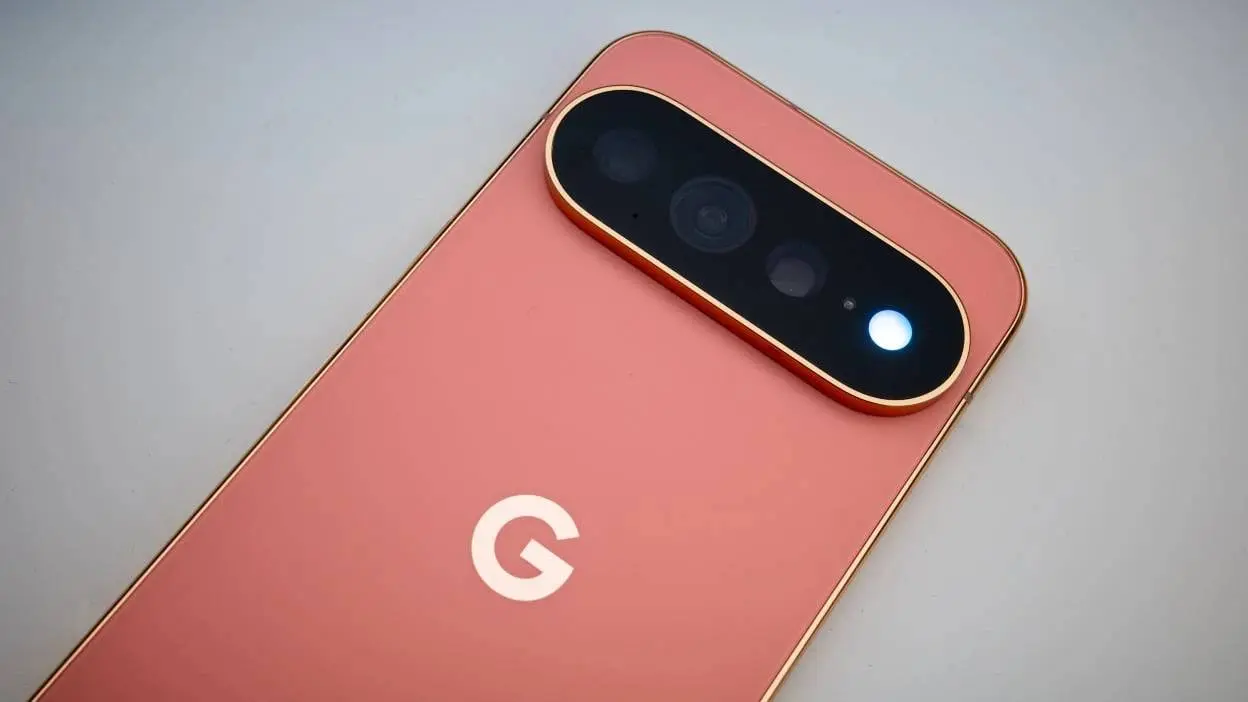
Google officially launched the Pixel 11 series earlier today, with the new Pixel 11, Pixel 11 Pro and Pixel 11 Pro XL now joining the company's flagship lineup. All three phones come with the new Tensor G6 chip, larger base storage and several camera upgrades. There is also a price change this year, but it's not all good news for everyone.

Pre-orders have already started in the US, while sales will begin on August 20. The biggest change is easy to spot however: Google has dropped the 128GB option, so every Pixel 11 model now starts with 256GB of storage.
Tensor G6 powers the new Pixel phones
The Pixel 11 series is powered by Google's new Tensor G6 processor. Google says it offers up to 25% faster web browsing and 15% faster app launches than the Tensor G5. The chip also works with the latest Gemini Nano models, while a new Titan M3 security chip is included across the range.

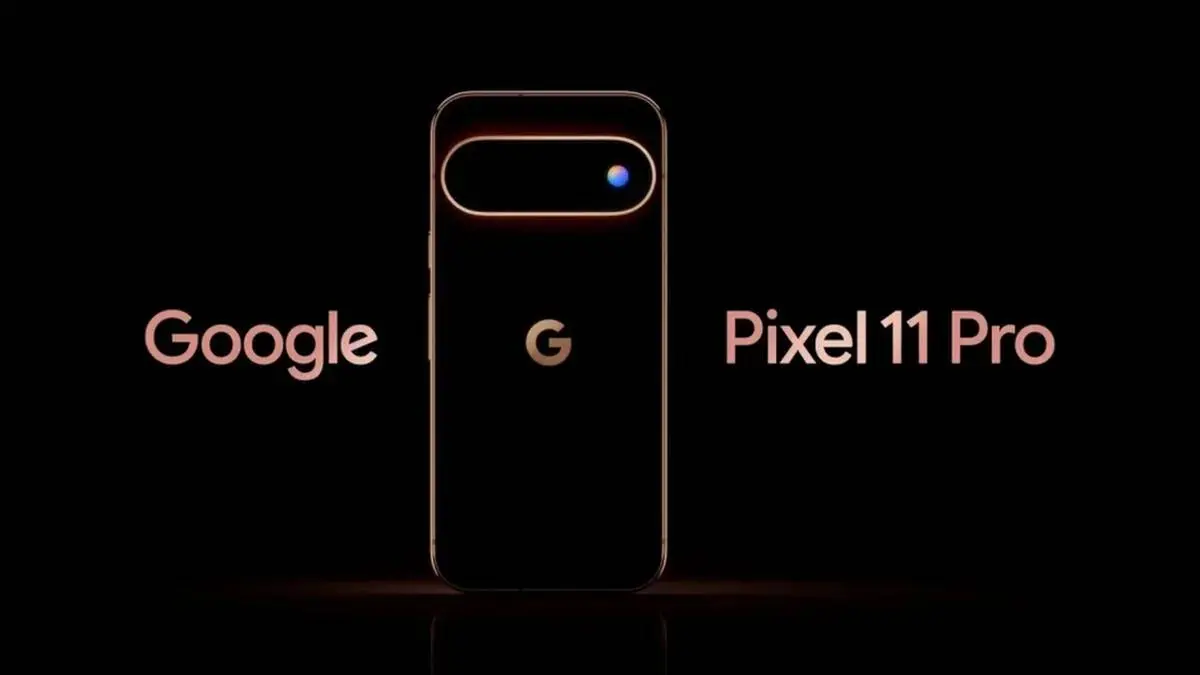
The design has also been cleaned up. Google has made the phones thinner and changed the camera bar, which is now covered by a single piece of glass. The Pro models also get a new HiLight LED that can light up for calls or when Gemini is active.
Pixel 11 gets better cameras
The standard Pixel 11 comes with a 48MP main camera, a 13MP ultrawide and a 10.8MP 5x telephoto camera. Google has also pushed its Super Res Zoom to 30x on the phone. The front camera is a 10.5MP autofocus unit.

The phone has a 6.3-inch AMOLED display, 12GB of RAM and a 4,985mAh battery. It starts at $899 for 256GB, while the 512GB version costs $1,019.
The Pro models get the bigger upgrades
The Pixel 11 Pro and Pro XL are more interesting. Both have a 50MP main camera, a 48MP ultrawide with macro support and a 48MP 5x telephoto camera. Google also raises the zoom limit to 120x on the Pro models.

The Pixel 11 Pro has a 6.3-inch LTPO AMOLED display with up to 3,600 nits of peak brightness. It starts at $1,099 with 256GB, while the Pro XL starts at $1,299. The XL also gets a larger 6.8-inch display and a 5,115mAh battery.

Here's the thing, though. The Pro XL now costs $100 more than its predecessor, while its base model drops from 16GB to 12GB of RAM. That is not exactly the kind of change I expected from Google's most expensive Pixel phone.

Seven years of updates
Google is keeping one of the best parts of the Pixel range. All three phones will receive seven years of Android updates, security updates and Pixel Drops. The Pro models also include six months of Google AI Pro at no extra cost.
In my eyes, the Pixel 11 series looks more like a careful upgrade than a major redesign. The Tensor G6, new cameras and 256GB base storage are welcome, but the higher price of the Pro XL makes the lineup harder to recommend. Google clearly wants the Pixel to compete at the top of the market, and this year, it is asking buyers to pay more for it.
Popular News

Latest News
Loading