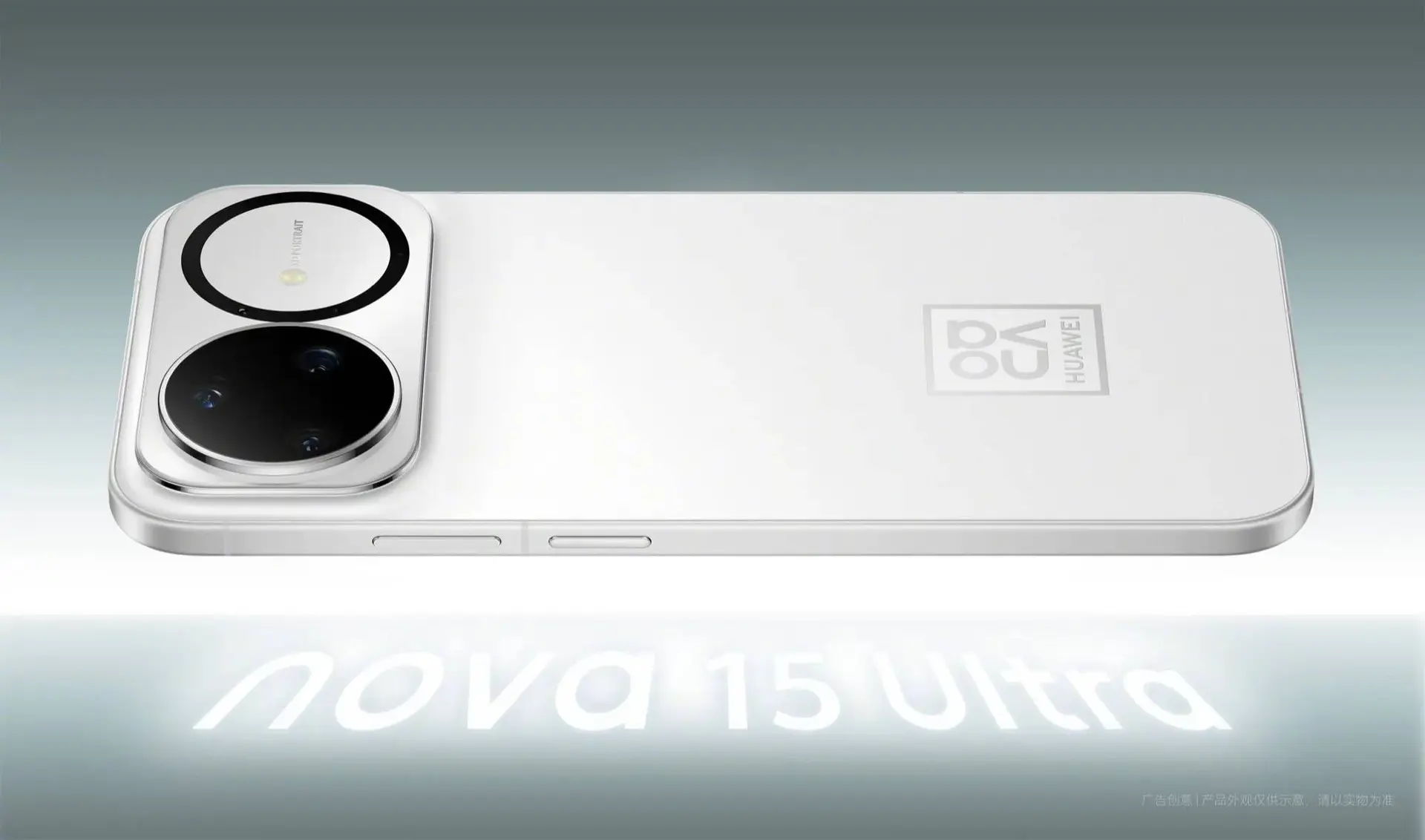
Huawei has officially unveiled the nova 15 series in China, and it is a fascinating pivot for the mid-range market. After spending some time looking at the three-pronged strategy of the nova 15, 15 Pro, and 15 Ultra, it’s clear that Huawei is no longer content with just "good enough" for their mid-tier fans. They are essentially trickling down flagship tech—variable apertures and satellite calling—to a younger, aesthetic-focused audience.

Key Points:
- Triple-Model Strategy: The series includes the nova 15, 15 Pro, and 15 Ultra, catering to different price points and performance needs.
- Elite Display Tech: Pro and Ultra models feature 6.84-inch LTPO OLEDs with a staggering 4000 nits peak brightness.
- Flagship Imaging: The Ultra model introduces a variable aperture (f/1.4–f/4.0) and a 100x digital zoom periscope lens.
- Next-Gen Batteries: Massive silicon-based batteries (up to 6500mAh) support 100W Super Fast Charge Turbo.
- HarmonyOS 6 Integration: Features enhanced Xiaoyi AI tools, AI call noise reduction, and satellite communication capabilities.

Huawei Nova 15
The Aesthetic and the Display
All three models share a common DNA: they are remarkably slim. The nova 15 Pro, for instance, sits at just 6.9mm. In an era of chunky camera bumps, this feels refreshing, even if it makes me a little nervous about structural integrity without a case. The color palette is consistent—Green, Purple, White, and Black—but the "Ultra" is where the premium feel really hits, especially with that Xuanwu hardened Kunlun Glass on the 1TB version.

Huawei Nova 15 Specs
The displays are where you start to see the hierarchy. The standard nova 15 uses a flat 6.7-inch OLED, which I personally prefer for gaming to avoid accidental edge touches. However, the Pro and Ultra step up to 6.84-inch LTPO panels. The 4000 nits peak brightness on these is no joke; it makes the screen perfectly legible under direct afternoon sun, though I found the AI eye protection "fatigue reminders" on the base model a bit nagging at times.

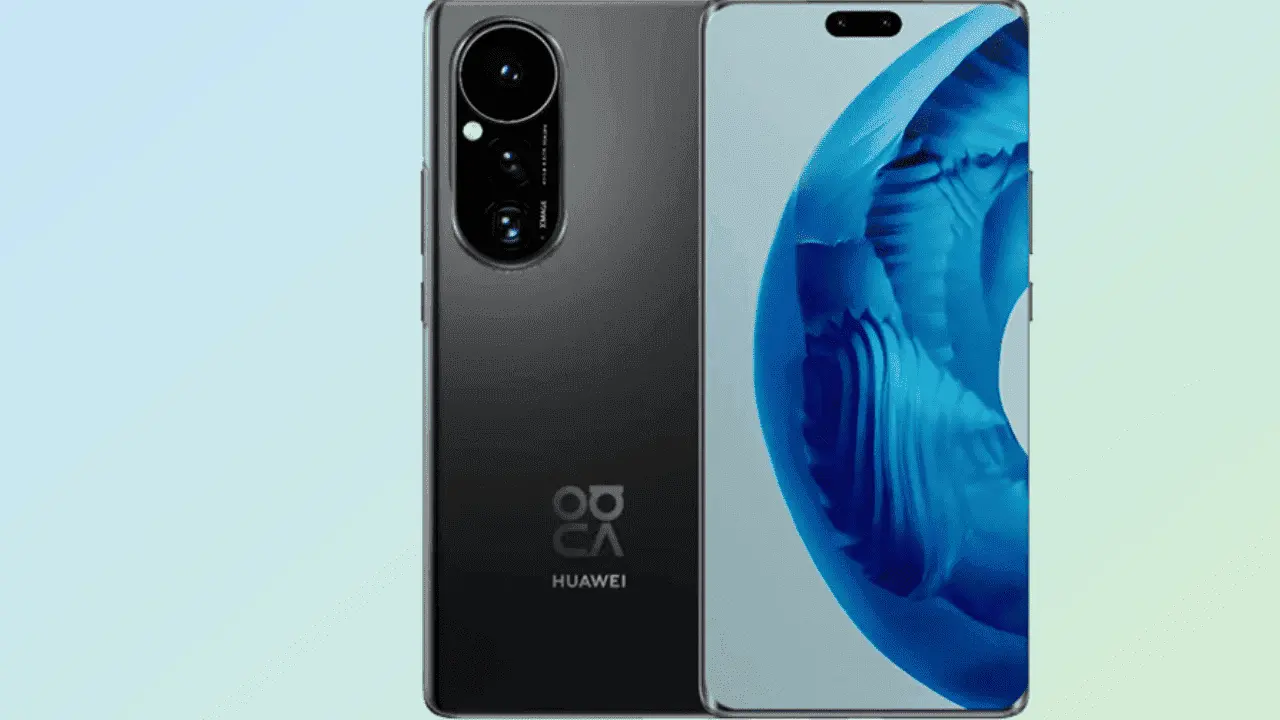
Huawei Nova 15 Pro
Camera Innovation: The "Red Maple" Lens
The standout feature across the board is the 1.5MP multispectral "Red Maple" true-color lens. It sounds like marketing fluff until you see the skin tones it produces. It seems designed specifically to fix the weird color shifts you sometimes get in indoor lighting.

Huawei Nova 15 Pro Specs
The Ultra, however, is the real star here. It borrows the variable aperture tech (f/1.4–f/4.0) we’ve seen in the Pura and Mate series. For a "nova" phone to have a 100x digital zoom and a periscope lens is quite a jump. During my brief testing, the 3.7x optical zoom on the Ultra felt significantly sharper than the 3x on the Pro, which uses a more traditional telephoto setup.
Performance and HarmonyOS 6
Under the hood, Huawei is sticking with its in-house silicon. The nova 15 runs the Kirin 8020, while the Pro and Ultra jump to the Kirin 9010S/9020S. Perhaps the most interesting part of the experience is HarmonyOS 6. The "Xiaoyi" AI integration feels more baked-in than before. You can set up "single-tap" check-ins and the AI noise reduction during calls is genuinely impressive—it filters out wind noise almost entirely.

Huawei Nova 15 Ultra Specs
The batteries are massive for phones this thin. We’re looking at 6000mAh to 6500mAh silicon-based cells. In my experience, these silicon-carbon batteries tend to hold their charge better in cold weather, which is a nice win. The 100W charging is fast, but I noticed the Ultra’s 50W wireless charging is the real convenience king for desk users.

Huawei Nova 15 Ultra
Satellite Connectivity and Signals
Huawei is pushing satellite messaging even further down the line. While the Ultra gets full Tiantong satellite calling, even the lower models get Beidou messaging. It’s one of those features you hope you never need, but it’s a massive peace-of-mind addition for hikers or travelers.

Final Verdict
The pricing in China remains competitive, starting around 2,699 yuan (approx. $383). The nova 15 series feels like it’s trying to bridge the gap between "lifestyle phone" and "performance flagship." If you value camera versatility and that ultra-slim hand-feel, the Ultra is the obvious choice, but the base nova 15 is perhaps the best value if you don't need the periscope zoom.
Popular News
Latest News
Loading