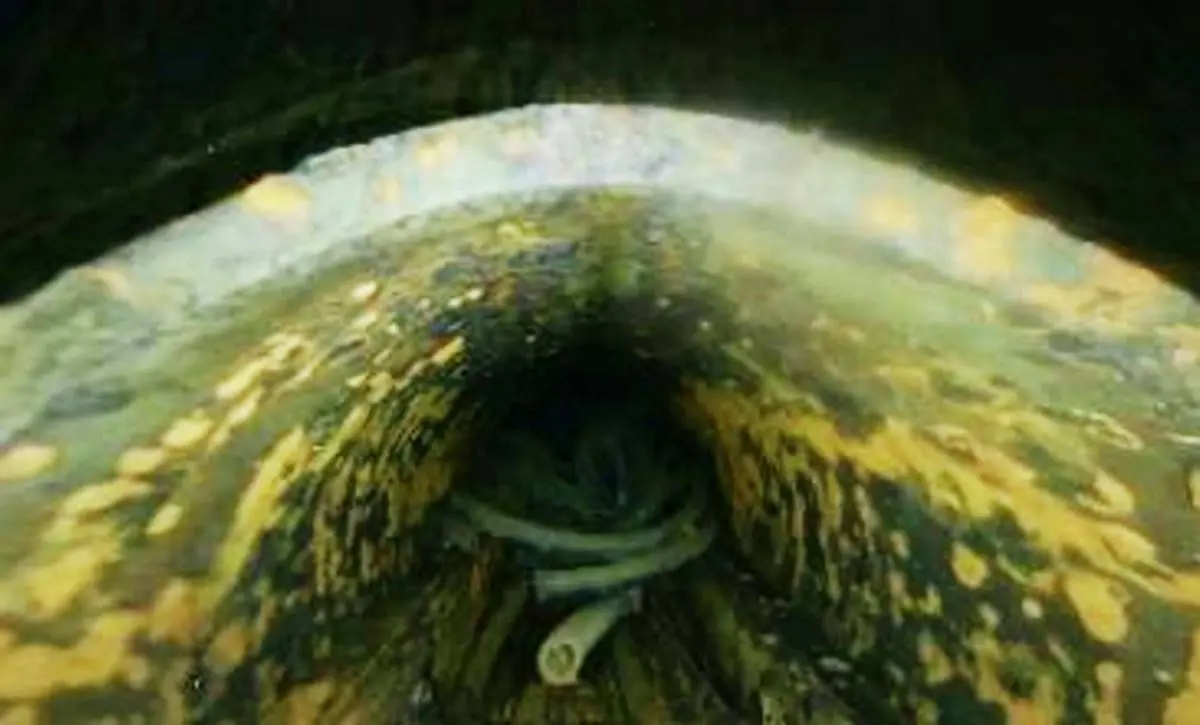
More than a decade after the disaster at the Fukushima Daiichi Nuclear Power Plant, scientists have finally managed something that once seemed nearly impossible. For the first time since the Fukushima nuclear disaster, radiation has been measured directly inside a melted reactor core.
A Research Gives Us a New Glimpse Of the Fukushima Disaster
The work to research and explore Fukushima, many years after the disaster, was carried out by Tokyo Electric Power Company, and what they found confirms just how harsh the environment still is. Inside Unit 2, radiation levels were recorded at extremely high intensities, strong enough to damage most equipment in a very short time. Even so, the fact that these measurements were taken at all is a major step forward.

This aerial view shows the Fukushima Daiichi nuclear power plant in Fukushima, northern Japan, on Aug. 24, 2023.
For years, the inside of the Fukushima reactor has remained out of reach. The meltdown left behind a mix of nuclear fuel and debris that created conditions too dangerous for people and incredibly difficult for machines. This new data changes that. It gives engineers a clearer picture of what is actually happening inside the reactor, instead of relying only on estimates.

Right in the middle of all this progress, here’s what really stands out:
- This is the first direct measurement inside a melted reactor since 2011
- Radiation levels inside Unit 2 are still extremely high
- The data helps map where fuel debris may be located
- It will guide future cleanup and removal operations
- The decommissioning process is still expected to take decades
No Signs of Improvement So Far in Fukishima's Incident
Even with this breakthrough, the reality is clear. The situation inside the reactor remains severe, and every step forward comes with technical challenges. Robots used for these missions must be specially designed to survive intense radiation, and even then, their lifespan can be very limited.
Read also


Still, this is meaningful progress. Each successful measurement reduces uncertainty and helps teams plan the next phase of cleanup with more confidence. It may not be a dramatic turning point overnight, but it is exactly the kind of steady advancement needed for a project of this scale.
The road ahead for Fukushima is long, and there are no shortcuts. But moments like this show that, piece by piece, the unknown is becoming understood. And in a place where so much has been uncertain, that alone is a big deal.
Popular News



Latest News
Loading