Apple and Google Just Made It Official: Siri Is Getting a Gemini Brain
AppleThursday, 23 April 2026 at 09:07
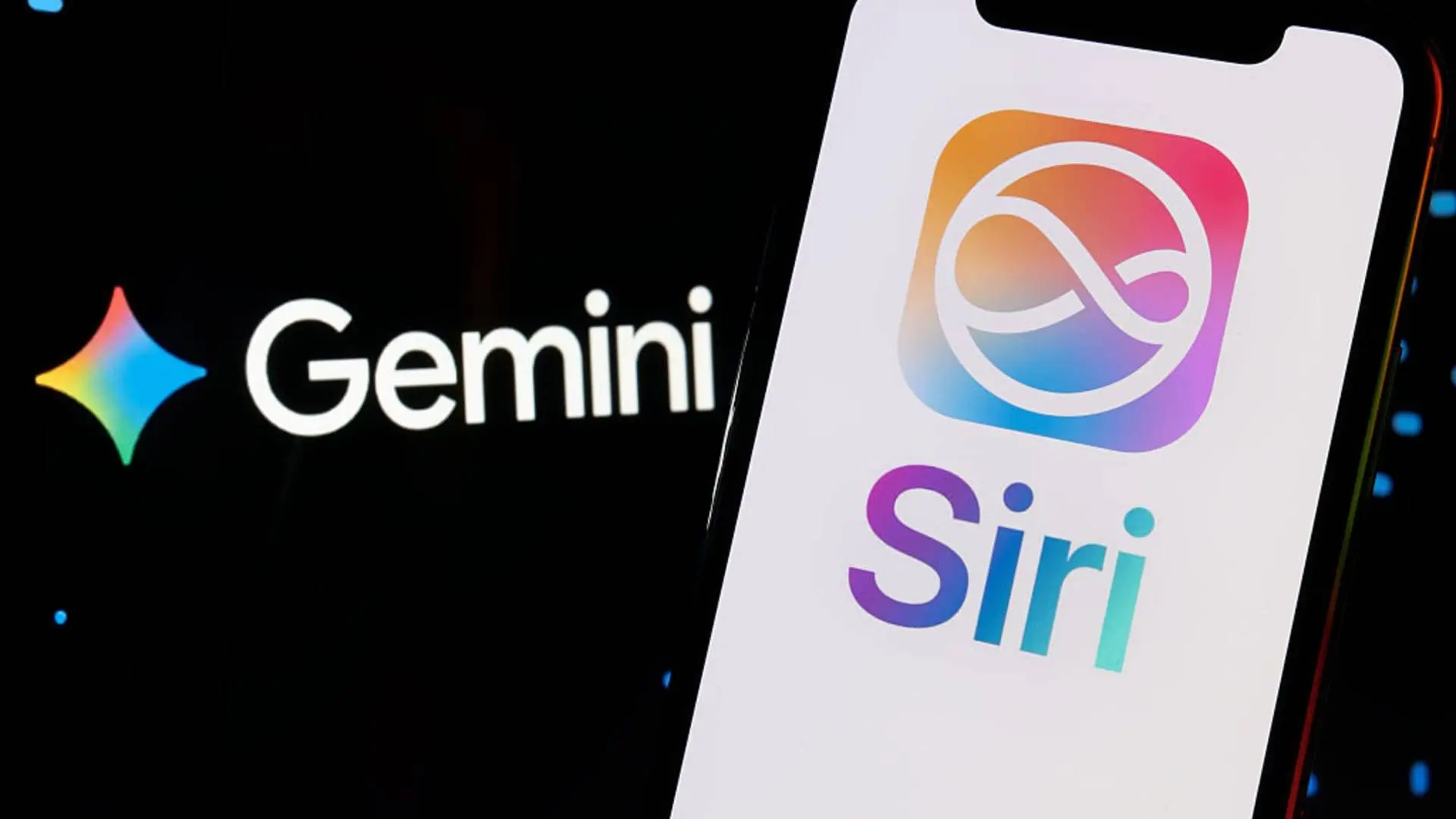
For years, the running joke in tech circles was that Siri couldn't find its way out of a paper bag. Well. Apple's fix turns out to be a surprising one — and it comes from a familiar rival. Google Cloud CEO Thomas Kurian confirmed at the Google Cloud Next 2026 conference in Las Vegas that Gemini AI technology will power a revamped, more personalized version of Siri, with a launch expected later this year. It's real, it's official, and frankly, the implications are worth unpacking carefully.
Summary
- It's confirmed: Google Cloud CEO Thomas Kurian publicly stated that Gemini technology will underpin next-generation Apple Intelligence features, including a smarter Siri.
- Partnership roots: The Apple-Google cloud deal was first jointly announced on January 12, and positions Google Cloud as Apple's "preferred cloud provider."
- Launch window is fuzzy: Apple has committed to a 2026 release but has never given a specific date. A fall debut tied to iOS 27 is the most widely expected scenario.
- Privacy architecture unclear: It's still unknown whether the Gemini-powered Siri will run on Apple's Private Cloud Compute infrastructure or Google's own servers.
- Not a Siri rebrand: Siri remains the interface. Gemini is, effectively, the reasoning engine underneath — handling complex queries Apple's own models couldn't manage reliably.

What Kurian Actually Said — and What He Didn't
The announcement itself was relatively brief. Kurian described the deal as a collaboration to develop "the next generation of Apple Foundation Models based on Gemini technology," with those models set to power future Apple Intelligence features including a more personalized Siri. That's it. No feature list, no pricing, no deep technical breakdown. For a partnership of this scale, the restraint was notable.
Here's the catch, though. This isn't exactly breaking news on Apple's end. The company committed to a smarter Siri upgrade back in 2024, missed a spring 2025 deadline, then pushed the timeline to sometime in 2026. Accuracy problems reportedly caused the spring 2026 target to slip as well. Kurian's statement doesn't change the launch date — it just confirms Google is in the engine room.

The Architecture Question Nobody's Answering
This is where things get genuinely interesting — and genuinely murky. Apple built its reputation on privacy. So how does a Gemini-powered Siri actually work without that data flowing through Google's infrastructure? It remains unclear. Apple has reportedly asked Google to investigate setting up dedicated servers inside Google data centers specifically for Siri processing. Whether that's the final solution or a workaround under review, neither company is saying.
What we do know is that Apple apparently has permission to "distill" Google's Gemini model — customizing it for Siri and other Apple Intelligence tasks rather than using an off-the-shelf version. That's a meaningful distinction. It suggests Apple isn't simply plugging Gemini in wholesale. It's building something derived from it, which at least preserves some degree of architectural control.
What to Expect — and When
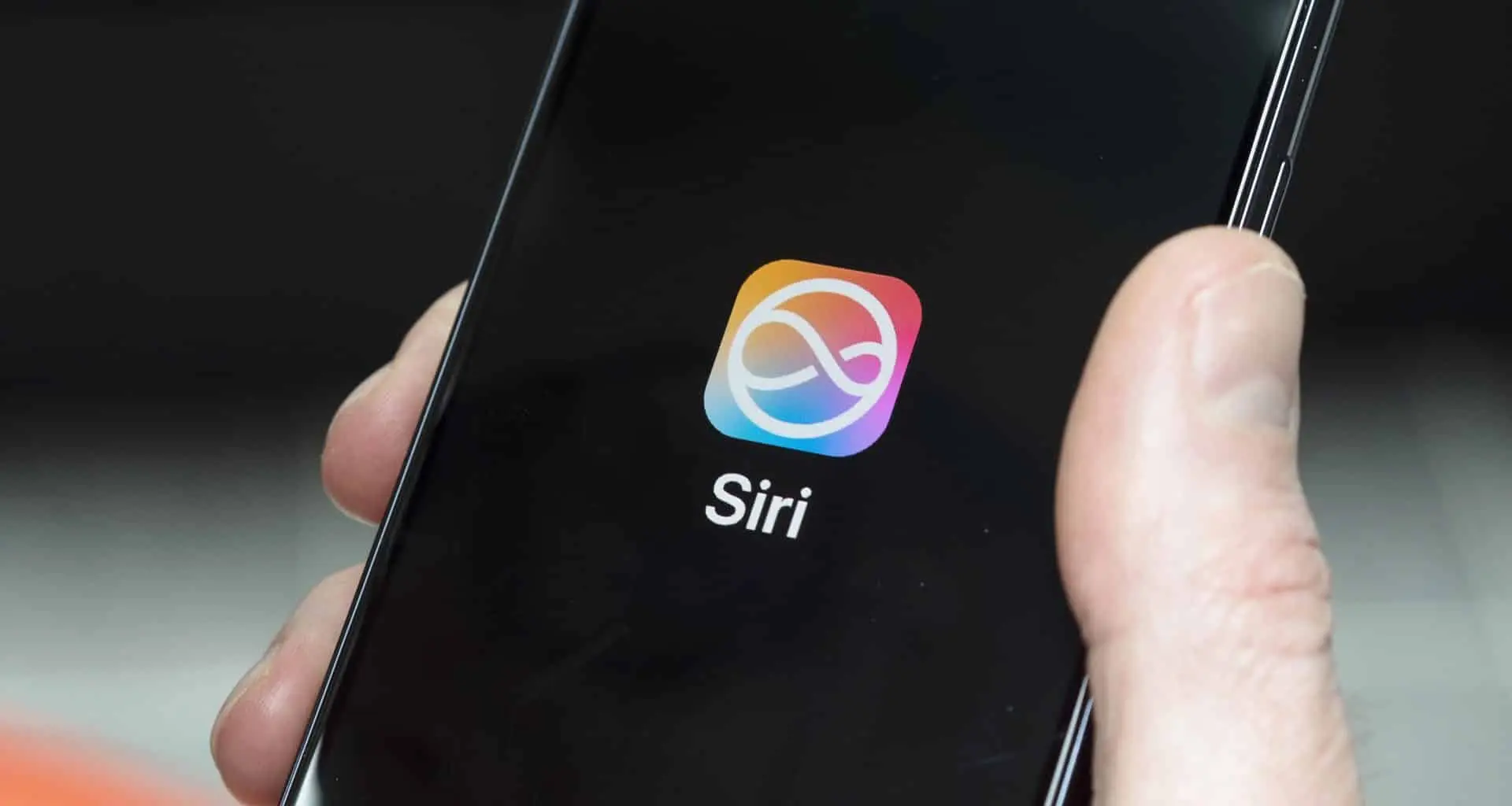
The most likely scenario is a preview at Apple's Worldwide Developers Conference on June 8, with a full rollout tied to iOS 27 and new iPhone hardware in the fall. The new Siri overhaul is rumored to include a standalone Siri app, persistent conversation history, and genuine back-and-forth dialogue capabilities — the kind of multi-step task handling that current Siri simply can't do.
A Strategic Pivot Worth Taking Seriously
I suppose the bigger story here isn't the technology. It's what this partnership signals about Apple's position in the AI race. This is a company that has historically built everything in-house. Turning to Google — of all companies — to turbocharge its most visible AI product is a significant strategic admission. For Google, it's a commercial and reputational coup: its AI is now powering a core feature on billions of Apple devices. The real test, as always, will be in the execution.
Popular News

Latest News
Loading