OnePlus 16 Tipped for 240Hz Display and Snapdragon Gen 6 Pro!
OnePlusThursday, 23 April 2026 at 09:29
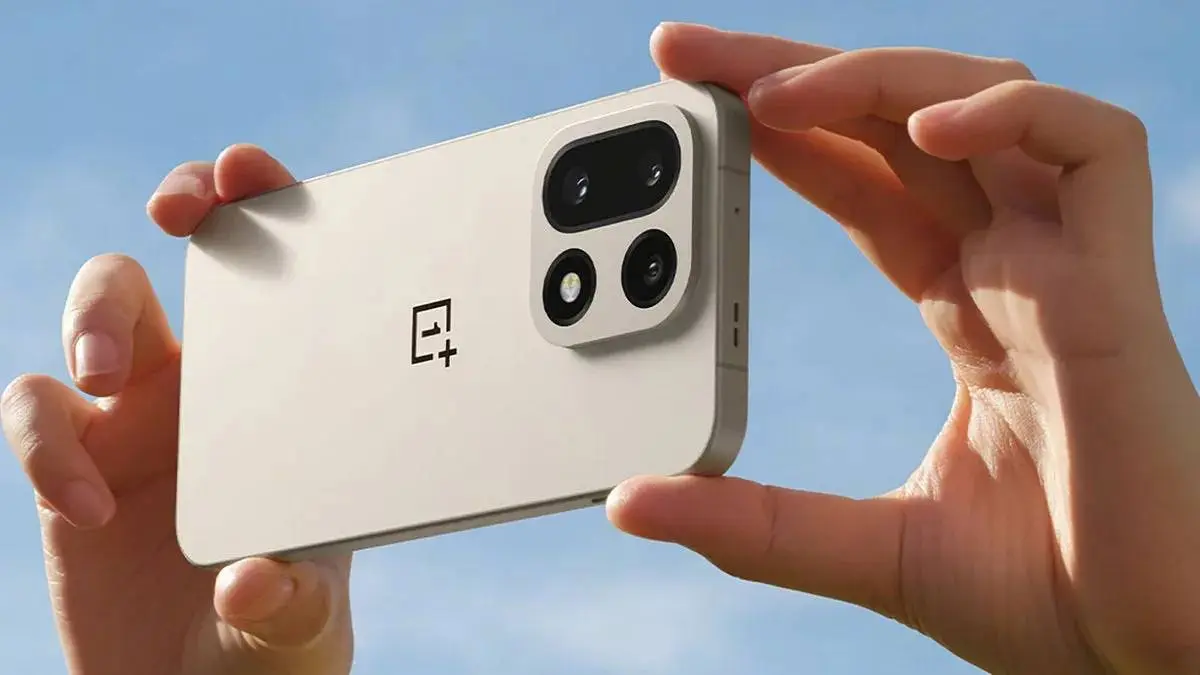
The OnePlus 15 was a genuinely strong phone with one embarrassing blind spot: its telephoto camera. A 50MP sensor on a tiny 1/2.76-inch format put zoom photography firmly behind the competition, and the fanbase noticed. Early leaks for the OnePlus 16 suggest OnePlus has heard every word of that criticism. Tipster Digital Chat Station posted fresh details to Weibo pointing to a sweeping spec overhaul — display, chipset, camera, and battery all reportedly upgraded simultaneously. Take it with appropriate skepticism; it's still months from launch. But the directional picture is becoming clearer.

Summary
- 240Hz display under evaluation: The OnePlus 16 is reportedly targeting a minimum of 185Hz, with the company evaluating a ceiling of 240Hz on a custom 6.78-inch BOE LTPO flat panel with 1.5K resolution and sub-1mm bezels on all four sides.
- Snapdragon 8 Elite Gen 6 Pro (SM8975): The higher-tier 2nm Qualcomm chip with LPDDR6 RAM support — not the standard Gen 6 — is tipped as the processor.
- 200MP periscope telephoto camera: A direct response to the OnePlus 15's zoom weakness, reportedly using Samsung's ISOCELL HP5 sensor on a 1/1.56-inch format.
- ~9,000mAh battery: A significant jump from the OnePlus 15's 7,300mAh cell, with 120W wired and 50W wireless charging.
- October 2026 China launch, ~5,000 Yuan (630 EUROS) starting price: That's roughly a 25% increase over the OnePlus 15 — a number that will define how the market receives it.
The Display: Custom BOE Panel, LIPO Packaging, and a Refresh Rate War
Here's where the DCS leak gets genuinely interesting. The OnePlus 16 reportedly uses LIPO packaging technology on its 6.78-inch BOE LTPO panel — a manufacturing approach that shrinks internal display borders to allow bezels reportedly under 1mm on all four sides. That's not just a spec; it's a design statement. For a flat-screen phone, that level of symmetry is difficult to achieve without rethinking the panel structure entirely.
The refresh rate situation is more nuanced than headlines suggest. The minimum target is reportedly 185Hz — already a meaningful jump from the 165Hz ceiling on the OnePlus 15. The 240Hz figure is what the company is evaluating at the upper end. It's a range, not a confirmed spec, and whether the final product ships at 200Hz or 240Hz likely depends on how the silicon and battery interact under sustained load. BT.2020 wide color gamut support is also mentioned, which would put the display in the same tier as Huawei's upcoming Mate 90 panel.
The Chip: Pro Tier, Not Standard
This matters more than it might appear. Qualcomm is reportedly splitting its 2026 flagship silicon into two tiers: a standard Snapdragon 8 Elite Gen 6 (SM8950) and a higher-performance Gen 6 Pro (SM8975). Both use a 2nm process, but the Pro variant supports LPDDR6 RAM — which roughly doubles peak memory bandwidth from 6.4 Gbps to 14.4 Gbps. That's not just a gaming upgrade; it's specifically architected for the on-device AI workloads that are becoming central to flagship differentiation. The iQOO 16 is reportedly targeting the same chip.
The Camera: Finally Fixing the Telephoto
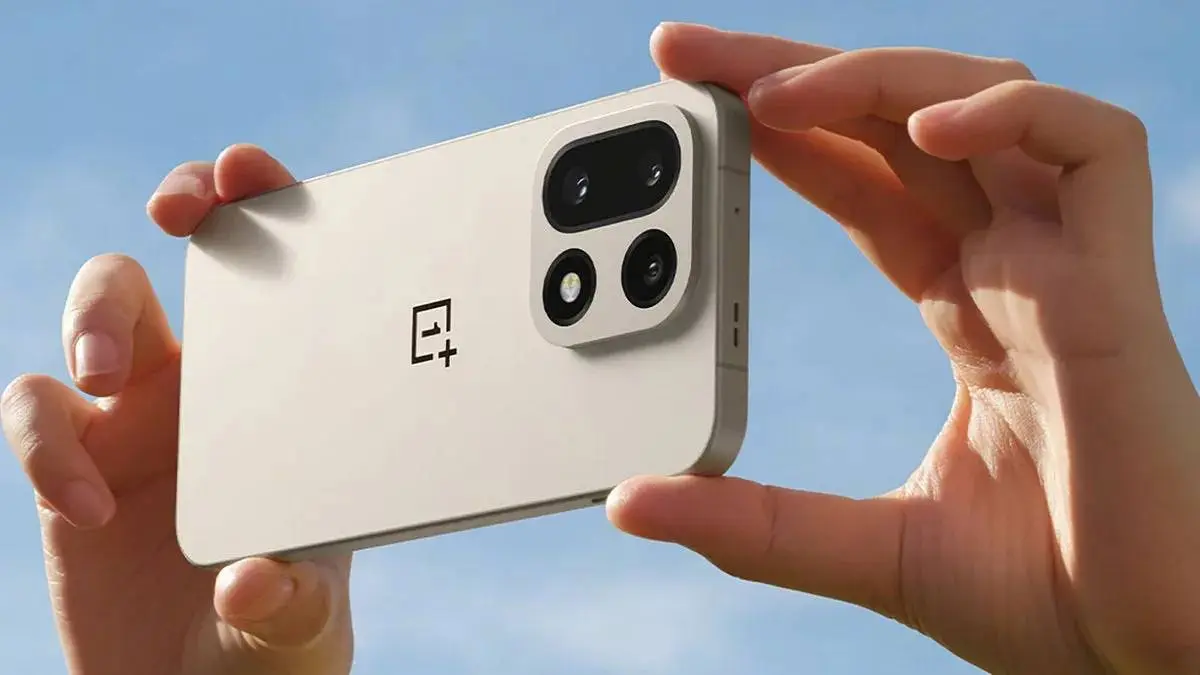
Frankly, this is the most important entry in the spec sheet. The OnePlus 15's telephoto was a liability. The OnePlus 16 reportedly addresses it with a 200MP Samsung ISOCELL HP5 sensor in the periscope position — a 1/1.56-inch format that dwarfs what came before. The primary and ultra-wide cameras are each tipped at 50MP. If the HP5 implementation delivers on its resolution advantage without sacrificing low-light periscope performance, OnePlus moves from a three-camera system with a weak link to a genuinely competitive imaging package.
Battery and Pricing: The Uncomfortable Numbers
A 9,000mAh silicon-carbon battery is enormous — one of the largest ever specced for a mainstream flagship. With 120W wired and 50W wireless charging, longevity anxiety becomes a non-issue. But the ~5,000 Yuan starting price is where the conversation gets uncomfortable. That's approximately $730, and represents about a 25% increase over the OnePlus 15. OnePlus built its global reputation on near-flagship specs at accessible prices. If this trajectory continues, it's playing in Samsung and Apple territory on cost. The spec sheet justifies the ambition. Whether the market accepts the price is a different question entirely.
Popular News


Latest News
Loading