Space is filling up with junk — ESA’s new AI could stop catastrophic satellite crashes
NASAFriday, 15 August 2025 at 22:18
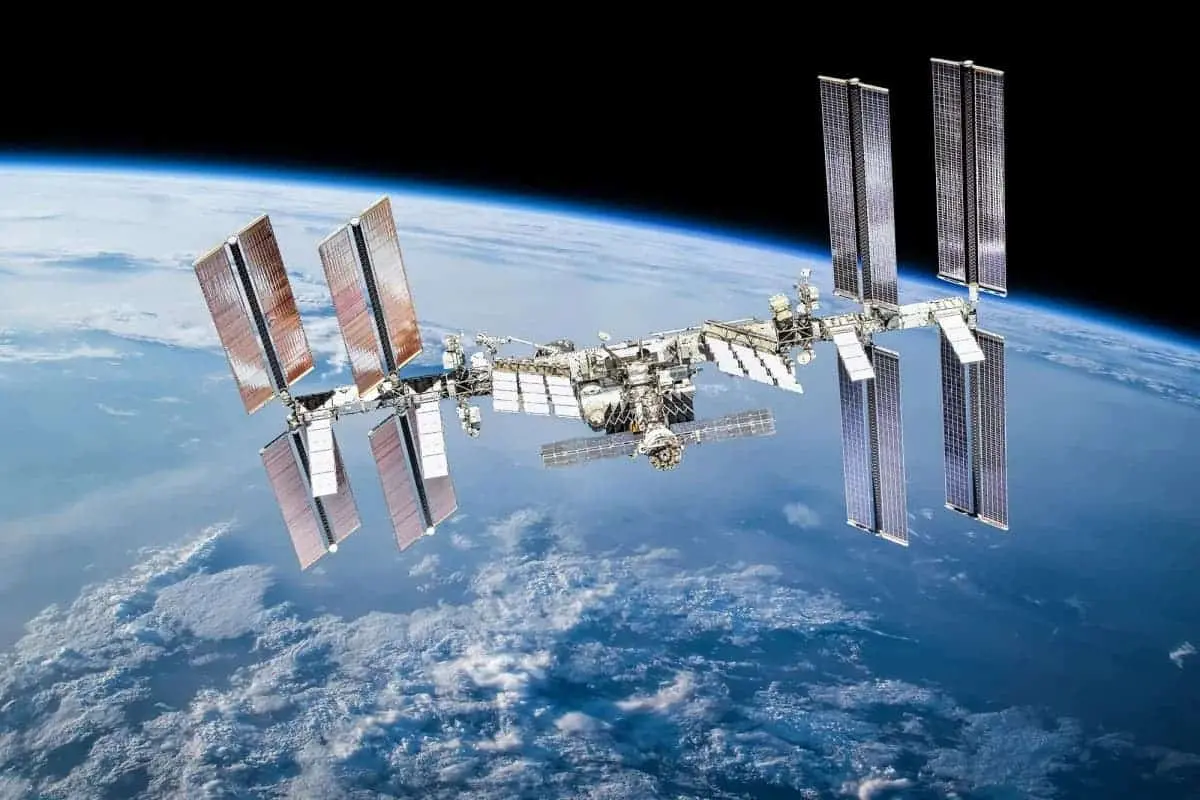
The area around Earth is becoming
increasingly crowded, and over 1.2 million debris and counting are floating in
space.
If this is not attended to, it could
cause serious damage to satellites and spacecraft.
This is why the European Space
Agency (ESA) has created CREAM, a system that will help mitigate the chances of
collisions.

What is CREAM?
CREAM stands for Collision Risk
Estimation and Automated Mitigation, a project designed to spot possible
collisions in space and quickly create safe ways to avoid them.
The program began in 2020 and is
still in the testing stage, but it already shows promise in making space
operations safer and less stressful for satellite operators.
Why the System is Needed
Avoiding space debris is a complex
and exhaustive job.
Operators have to constantly and
manually check for threats, figure out the best action to take, contact other
operators, and work out agreements on who should make the first move.
These processes are detailed and can
lead to serious damage if not handled properly.
Read also

How CREAM Will Help
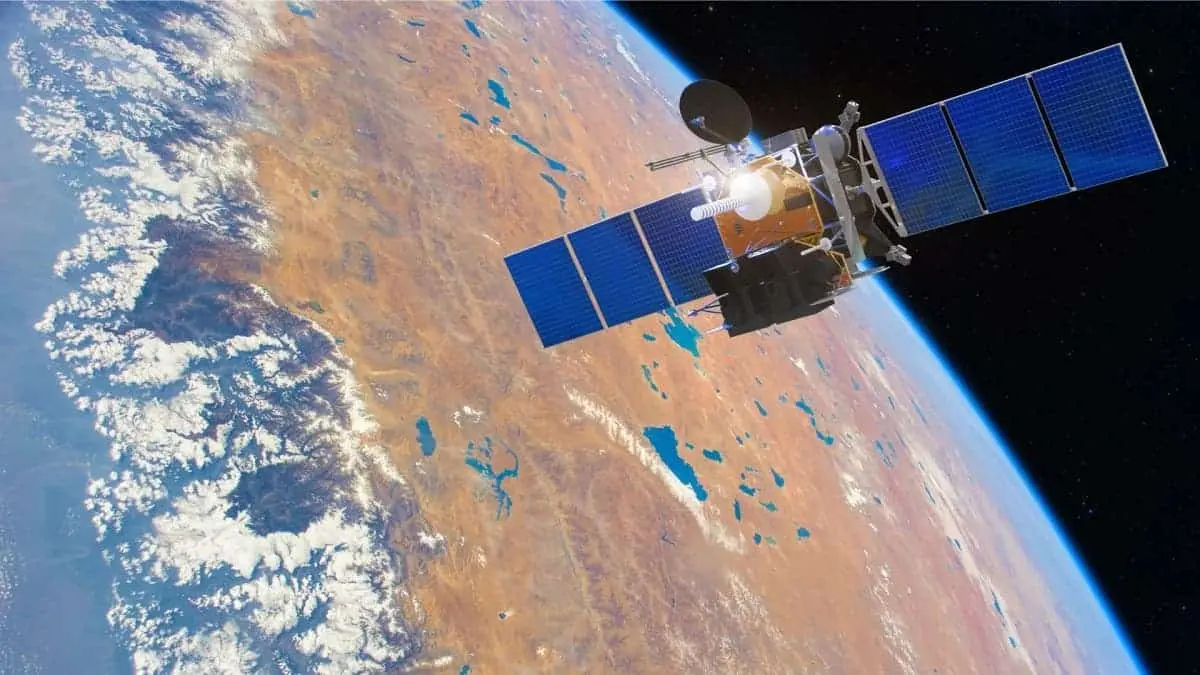
The goal of CREAM is to take over
much of this work by automatically checking for collision risks and suggesting
suitable ways to prevent them.
It will also help connect all the
people and organisations involved, so decisions can be made faster and with
less confusion.
If two active satellites are on a
collision course, CREAM can even assist in negotiations and, if needed, bring
in mediation to settle disputes.
The fact that
CREAM is based on Earth doesn’t restrict its operations.
Currently, the
project can warn operators of possible collisions, suggest solutions, and
coordinate responses between different parties
Next Steps for the Project
The next stage for CREAM is a pilot
phase, where the system will be fully tested with all its key technologies
working together on the ground.
After that, ESA plans to run the system
aboard other satellites as a “piggyback” payload. This will allow it to operate
directly in space.
Finally, a dedicated in-orbit
mission will test the system’s full abilities in real conditions.
If project CREAM is successful, it will go a long way in protecting
satellites, preventing collisions, and above all, keeping space safe and
preserving it for missions to come.





Loading