Oppo Is Building a Gimbal Camera — and It Could Arrive Alongside the Find X10
OppoSaturday, 25 April 2026 at 02:37
The pocket gimbal camera market has been DJI's territory for years. That's starting to change. Oppo has internally approved a dedicated handheld gimbal camera project, and the timing of its expected launch puts it squarely in the same window as one of the year's biggest smartphone releases.

Summary
- Project Fuyao approved: Oppo has given the green light to a handheld gimbal camera project internally codenamed "Fuyao" — meaning "to rise" in Mandarin — targeting the compact vlogging camera segment.
- Q4 launch, possibly alongside Find X10: Reports suggest the Find X10 series is expected in October, and Oppo may use that platform to unveil its first gimbal camera simultaneously.
- 3-axis stabilization, DJI Osmo Pocket 4 in the crosshairs: The device is described as a compact, pocket-oriented gimbal camera centered around 3-axis physical stabilization — a direct challenger to DJI's most popular form factor.
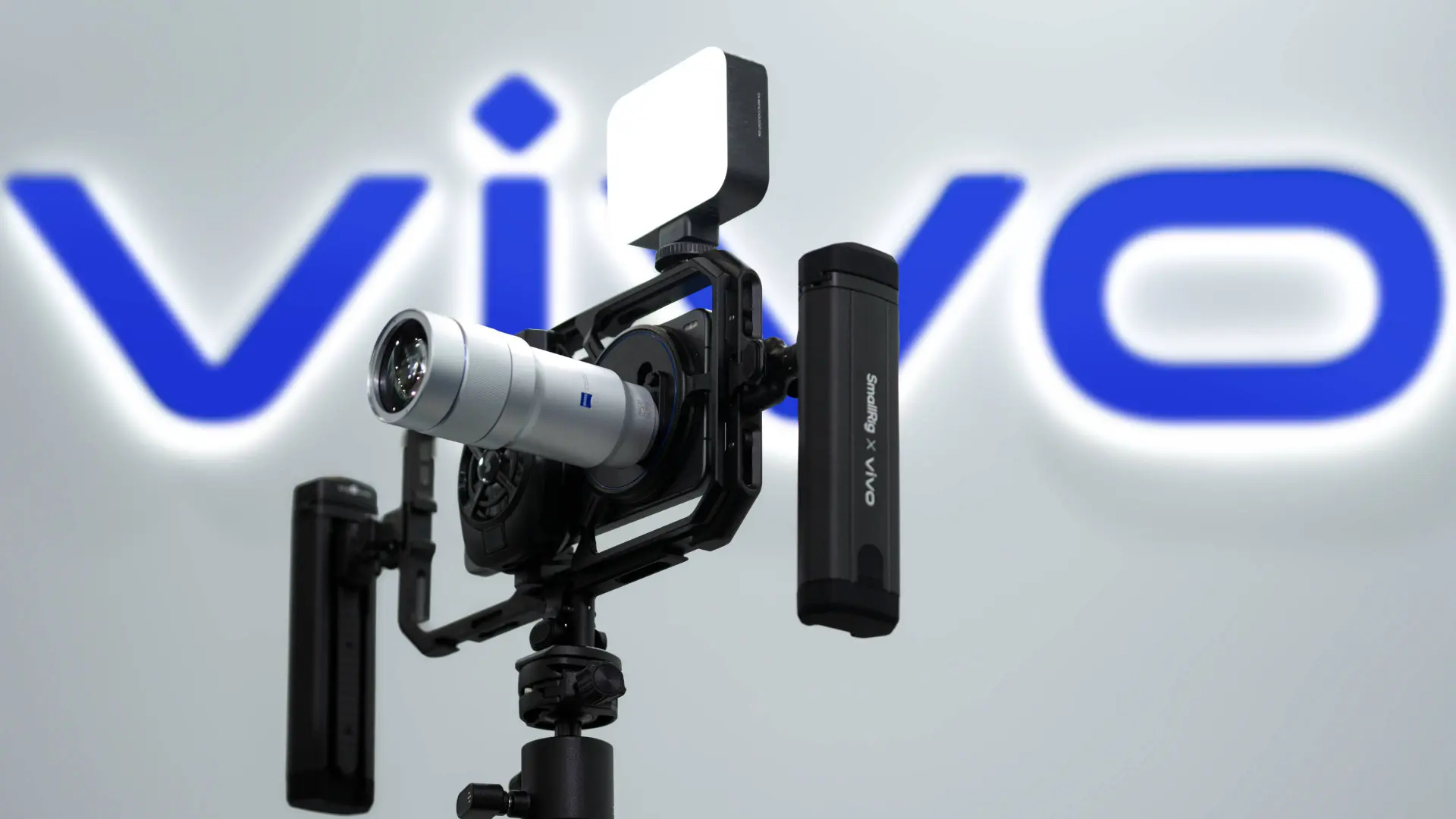
- Vivo is close behind: Vivo has been developing its own gimbal camera since late 2024, with the first prototype reportedly already through the mould stage.
- Honor already there: Honor has entered the handheld smart camera category through its ecosystem platform, making Oppo the latest — but not the last — smartphone brand to make this move.
Why Oppo, and Why Now
The DJI Osmo Pocket 4 launched on April 16, 2026, with a 37MP 1-inch sensor, 4K/240fps D-LOG 10-bit recording, and 107GB of internal storage. It's an excellent product. It also has documented weaknesses — no weather sealing, no optical zoom — that competitors can exploit. Oppo, which has spent years building computational imaging expertise through its Hasselblad partnership, is arguably better positioned than most smartphone brands to challenge DJI on image quality rather than just price.
The "Fuyao" project is described as a dedicated device — not a gimbal attachment for a phone, but a standalone product in a compact, vertically oriented form factor comparable to the Osmo series. Technical specifications are not yet confirmed publicly. What is known is that the device will use 3-axis physical gimbal stabilization and that Oppo is investing significant resources into the category.
The Competitive Landscape Is Getting Crowded Fast
Oppo isn't alone in noticing the opportunity. Vivo began development of its own handheld gimbal camera in late 2024, and its first prototype has already completed the mould stage — meaning hardware design is further along than Oppo's, though a launch timeline hasn't been confirmed. Honor has already made its move through its ecosystem platform. And Insta360 is preparing its own counter to DJI with the Luna Ultra, featuring a 1-inch sensor, 6x optical zoom, and a modular design.
I suppose the real question isn't whether smartphone brands can make gimbal cameras. It's whether their AI processing advantages and supply chain scale translate into products that actually beat DJI at its own game — or just participate in the segment at lower price points. The answer will depend entirely on execution.
The Find X10 Connection
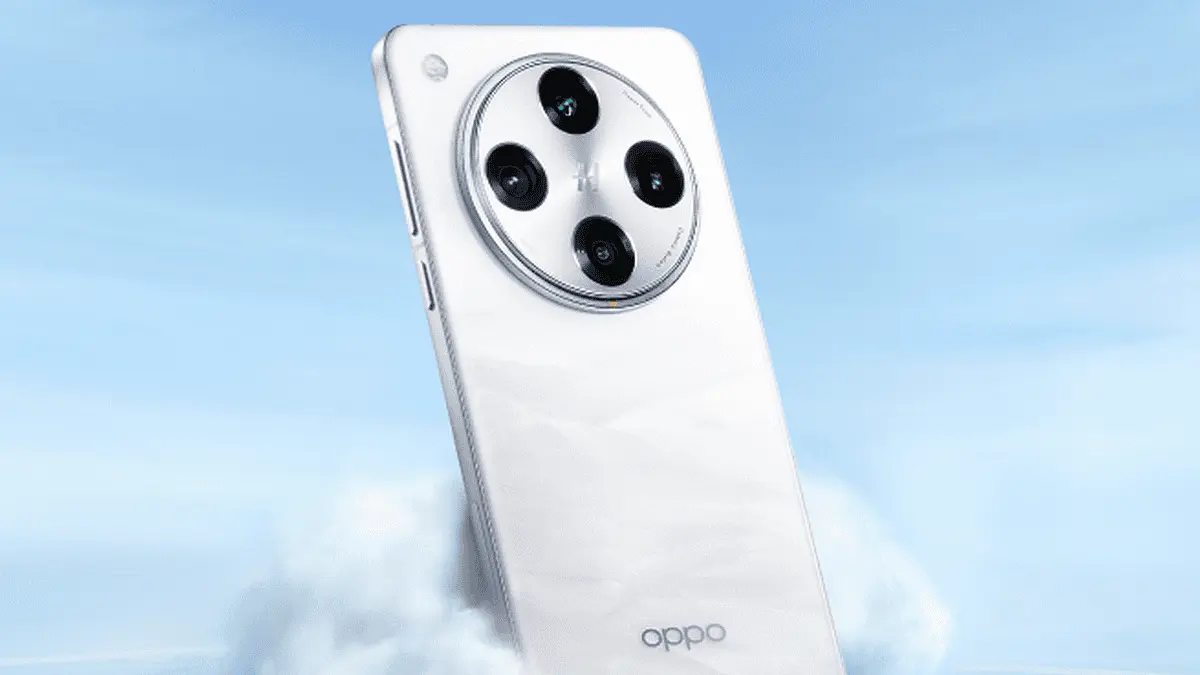
Reports consistently place the Find X10 series debut in October 2026. That timeline aligns cleanly with a Q4 Fuyao launch, and there's a reasonable commercial logic to co-announcing both at the same event — a flagship smartphone with a dedicated companion imaging device positions Oppo as a full imaging ecosystem rather than just a handset maker. No official confirmation exists yet, and development timelines can shift. But the convergence of timing is deliberate enough to be worth noting.
Market Context: Why This Segment Is Worth Chasing
The handheld smart camera category — covering gimbal, action, and panoramic devices — has seen consistent growth in recent years, with gimbal cameras emerging as the fastest-growing sub-segment. DJI has historically dominated with the majority of market share, while Insta360 holds a smaller but meaningful slice. The entry of multiple smartphone OEMs simultaneously signals that the category has reached a scale where competing is commercially viable, and where the incumbents' lack of software ecosystem depth becomes a genuine vulnerability.
Popular News


Latest News
Loading