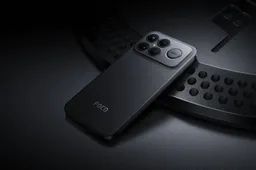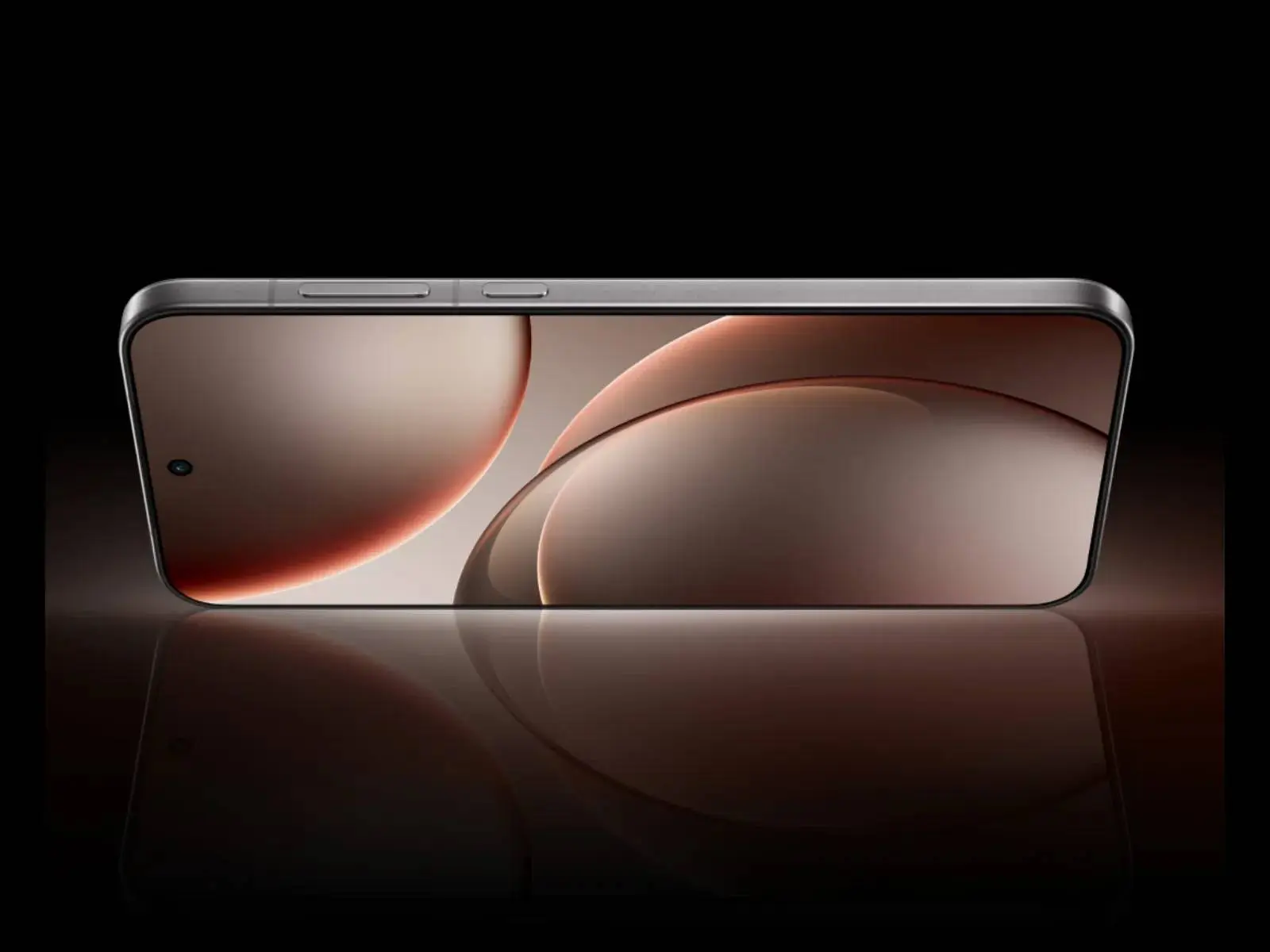
The Find X10 Ultra won't arrive until 2027. OPPO is already designing a sensor exclusively for it.

Summary
- Digital Chat Station confirmed OPPO is testing a next-generation 200MP LOFIC sensor on a 1/1.12-inch format specifically for the Find X10 Ultra — a Samsung-developed sensor using Lateral Overflow Integration Capacitor technology that dramatically improves highlight and shadow detail in challenging light.
- A 100MP square 1:1 aspect ratio front camera is also under testing for the Find X10 Ultra, enabling equal horizontal and vertical capture area — solving the longstanding selfie problem of having to choose portrait or landscape orientation before shooting.
- The Find X10 Pro Max, launching in October 2026, is separately tipped for a triple 200MP camera system: a 200MP 1/1.3-inch main, 200MP 1/1.28-inch periscope telephoto, and a 200MP 1/1.56-inch ultra-wide — the largest ultra-wide sensor resolution ever rumored for a smartphone.
- The entire Find X10 lineup is rumored to include built-in magnets for MagSafe-style wireless charging, making OPPO only the second Android manufacturer after Google's Pixel 10 series to support native magnetic accessory attachment without a case.
- The Find X10 Ultra is confirmed for the first half of 2027 with Snapdragon 8 Elite Gen 6 Pro; the standard Find X10, X10 Pro, and X10 Pro Max are targeting October 2026 in China.
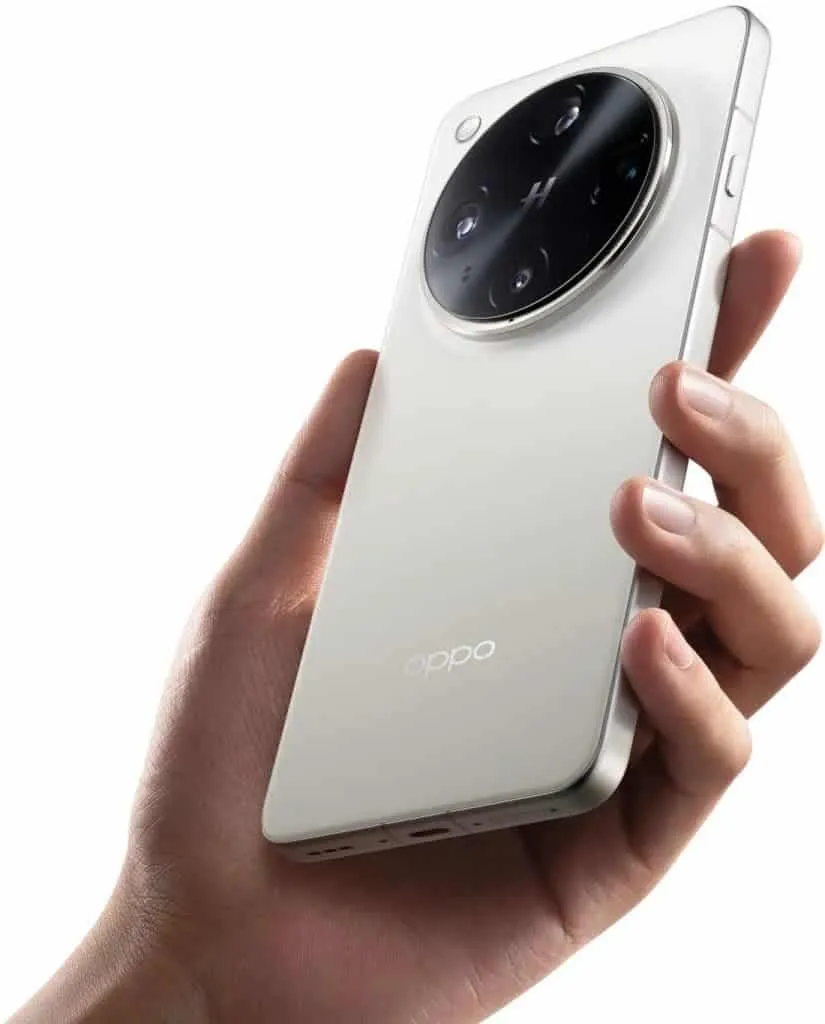
"LOFIC technology captures overflow charge that standard sensors discard in bright conditions — the result is significantly better highlight retention and dynamic range without the processing penalties of HDR stacking. A 200MP LOFIC sensor on a 1/1.12-inch format would be the largest, highest-resolution implementation of this technology ever put in a smartphone."
What LOFIC Actually Does
Most camera sensors handle bright scenes by cutting off charge once a pixel fills — this creates blown highlights where detail is simply gone. LOFIC adds a lateral capacitor alongside each pixel that catches this overflow charge before it's lost. The result is extended dynamic range at the hardware level, not through software HDR merging. You get better highlight detail in a single frame, not a composite of multiple exposures.

On a 1/1.12-inch 200MP sensor, the pixel size is small but the physical sensor area is large. That combination — high resolution, large format, LOFIC overflow protection — describes a primary camera designed to handle difficult real-world lighting rather than just score well in controlled lab tests.
The Square Selfie Sensor Is More Practical Than It Sounds
The 100MP 1:1 front camera solves something that sounds minor but isn't. Every social media platform uses a different crop ratio. Instagram prefers square. TikTok and Reels prefer 9:16 vertical. YouTube thumbnails are 16:9 horizontal. A traditional portrait-optimized front sensor forces compromises for every format except the one it was designed for. A square sensor captures maximum usable area in all directions simultaneously. The 100MP resolution means cropping aggressively for any format still leaves plenty of detail behind.
Read also
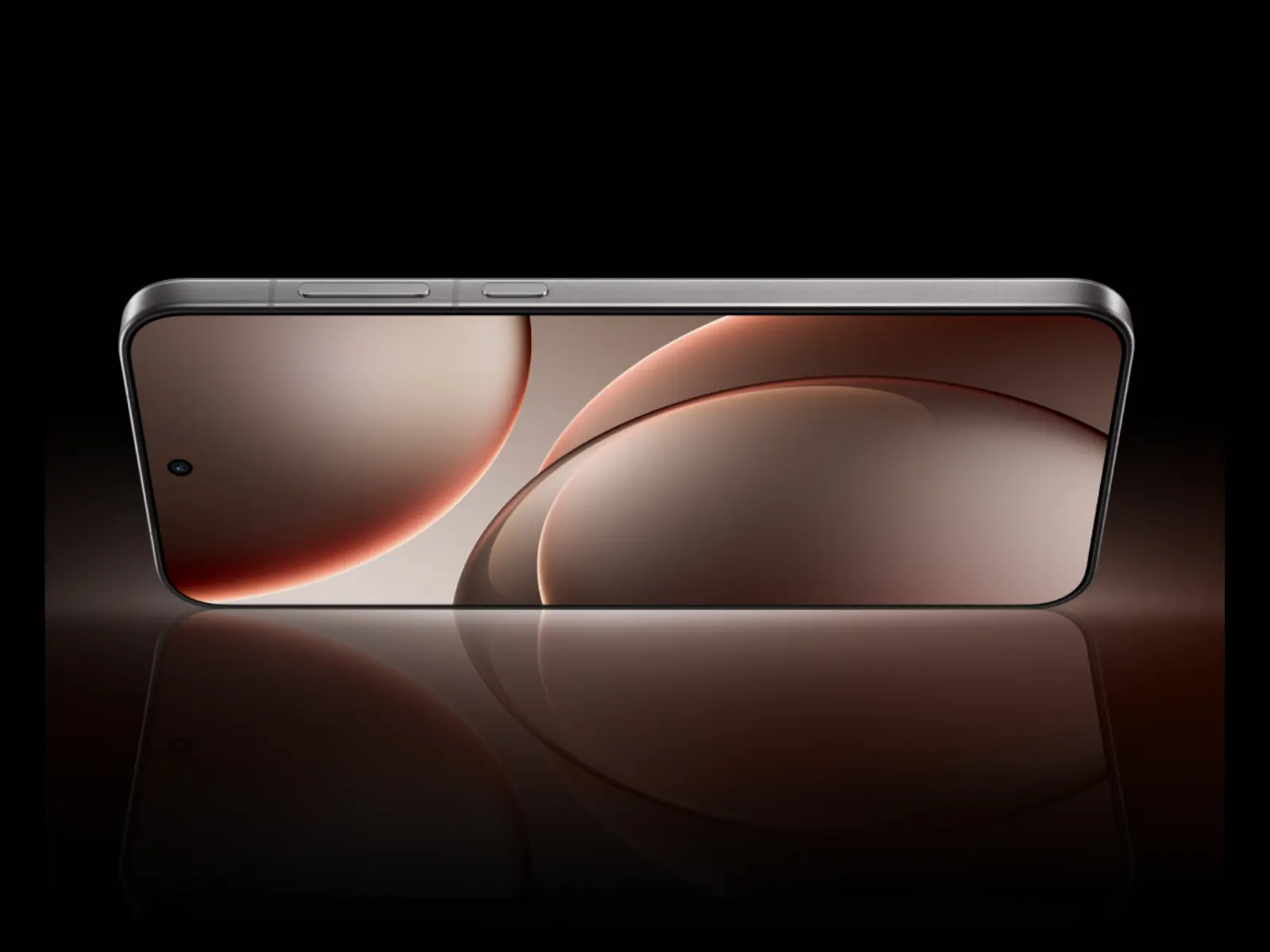
The Pro Max Is the October Monster
The Ultra may be the long-term story, but the Pro Max landing in October 2026 isn't a consolation prize. A triple 200MP rear system — main, periscope telephoto, and ultra-wide all at 200MP — would give every focal length the same resolution ceiling, making 30x and 50x digital zoom genuinely usable for detail work rather than a spec sheet curiosity. The 200MP ultra-wide specifically is unprecedented. Current flagship ultra-wide cameras top out at 50MP. Jumping to 200MP on a 1/1.56-inch sensor is the kind of upgrade that changes what wide-angle shooting is capable of.
Popular News


Latest News
Loading