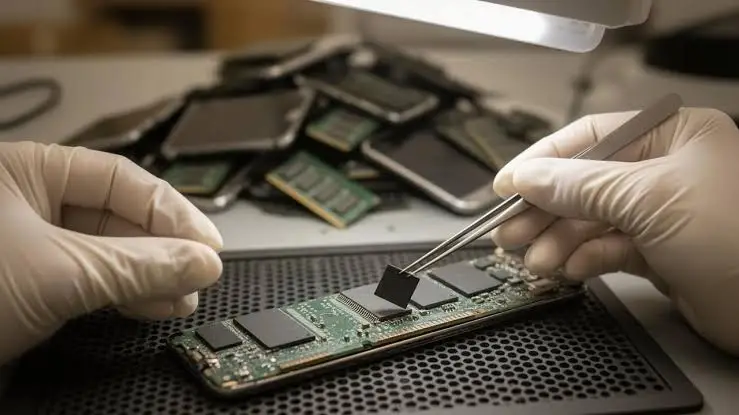
There is a new twist in the smartphone business, as the OEMs are fighting to keep costs down amidst the current crisis in the memory industry. According to a new report, some OEMs are turning to old memory chips to deal with rising costs. Several Chinese brands are now recovering DRAM from used phones and installing it in newer models. Some are even planning to use recycled memory in their entry-level devices.
According to a new report from Asia, this move could help phone makers keep production on track. Many brands had cut their output plans earlier this year due to rising memory prices and a shortage of LPDDR chips. Reusing older components offers a way to reduce costs and keep more phones on the market.
Why Smartphone Makers Are Reusing Old Memory
Some brands are looking at DRAM chips that are five to six years old. These chips can be removed from old phones, tested, and soldered onto new circuit boards. The process takes work, but it can cost less than buying new memory at today's prices.
China's Huaqiangbei market has also become a hub for this trade. The area is known for its large electronics market, where sellers buy, repair, and resell parts from old devices.

However, reused memory needs careful testing before it can go into a new phone. Its age alone does not mean it will fail, but worn or damaged chips may cause problems. The final results will depend on the chip's condition and how well it works with the new hardware.
Rising DRAM Prices Put More Pressure On Phone Brands
The shift comes as memory prices continue to put pressure on the tech industry. Older DRAM is now so costly that some types can cost more per square millimeter than advanced TSMC N2 silicon. This shows how much demand for memory has changed as AI companies compete for supplies.
Other tech firms are also finding ways to reuse older hardware. Google, for example, has developed adapters that let it use DDR4 memory taken from retired servers in newer AI systems.

Meanwhile, major PC makers such as Lenovo, HP, and Dell have signed long-term deals with memory suppliers to secure stock for 2027. These deals give them a more stable supply, while phone makers remain more exposed to sudden price changes.
Read also

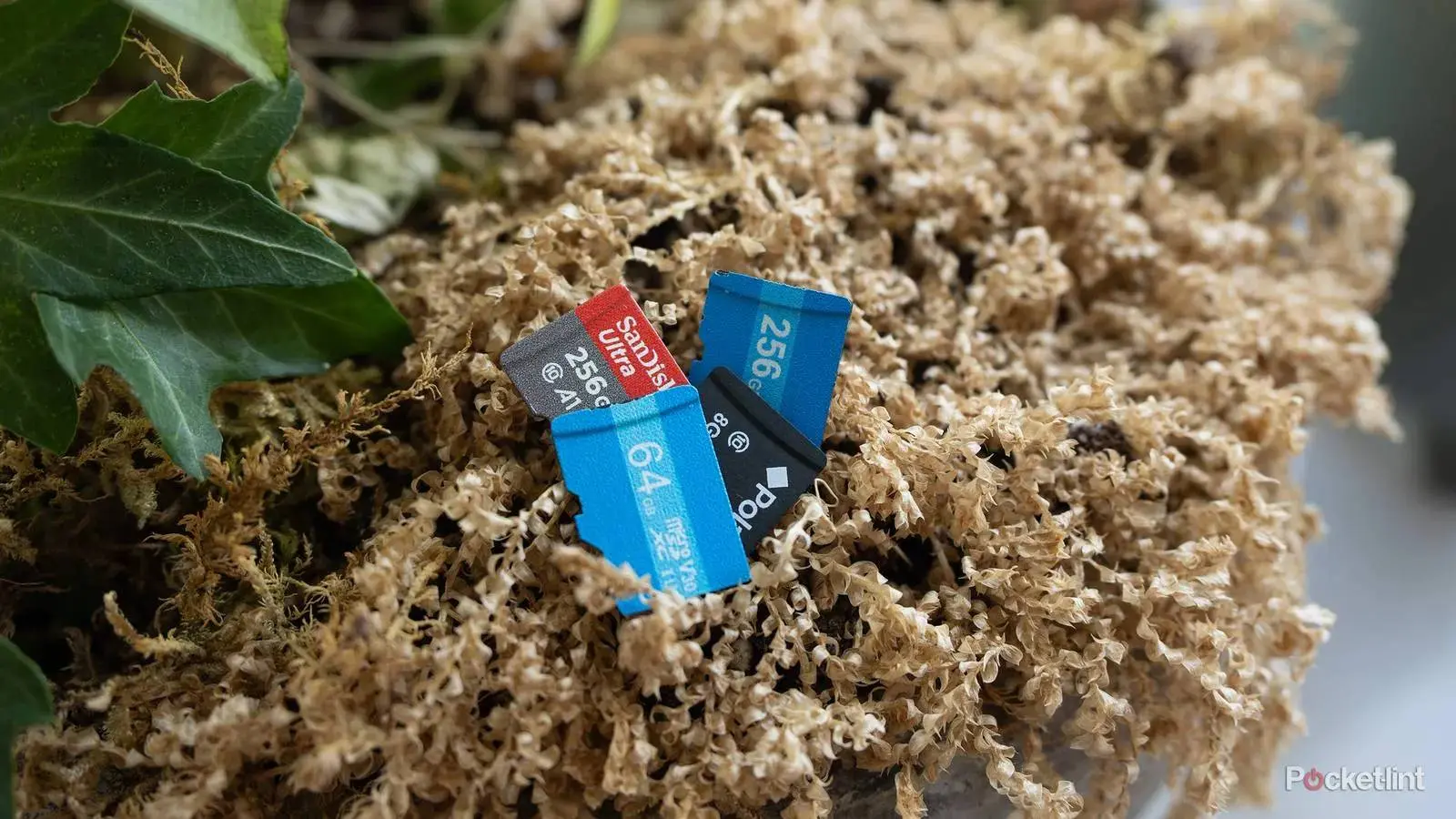
Key Points
- Chinese smartphone makers are reusing DRAM from phones that are five to six years old.
- Rising memory prices and supply shortages are pushing brands to recover older components.
- Some companies plan to use recycled memory in entry-level phones to maintain shipment targets.
- Reused DRAM must be tested before installation, and its age could affect reliability and performance.
Recycling DRAM may help smartphone brands protect their production plans, especially for cheaper models. Still, it remains to be seen how widely the practice will spread and whether buyers will notice any difference in daily use.
Popular News



Latest News
Loading