Why Flagship Smartphones Won't Slow Down Their Release Cycles Anytime Soon
EditorialThursday, 19 March 2026 at 09:27
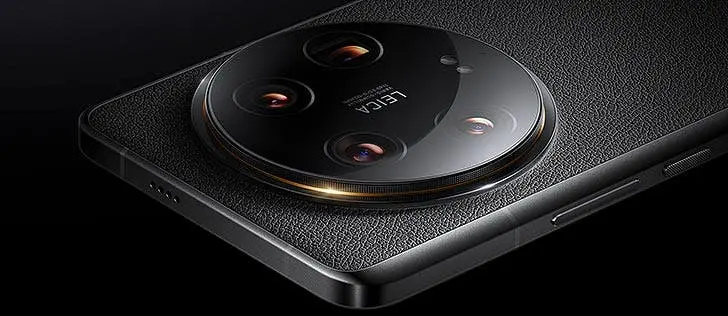
The idea sounds reasonable enough on the surface — slow down the release cadence, let devices mature, give buyers more time between upgrades. Plenty of consumers would welcome it. The economics of the smartphone industry, unfortunately, don't particularly care what consumers would welcome.
Here's why the annual flagship treadmill isn't stopping.

Key Points
- Flagship release cycles are unlikely to extend because new devices are the primary mechanism for capturing users and mobile internet revenue
- Rising storage costs don't favor delays — waiting means facing the same high component prices later while losing market share to competitors who moved first
- An industry-wide agreement to slow release cycles would require unprecedented supply chain coordination that analysts consider highly unlikely
- Mid-range and budget segments may see paused cycles if price increases damage sales volume beyond what internet revenue can offset
- iQOO 16 camera performance is expected to benchmark against X300 standards based on the iQOO 15's trajectory relative to the X200
The Revenue Argument Is the Whole Game
Flagships aren't just phones. They're entry points into mobile internet ecosystems — app stores, services, subscriptions, advertising revenue. Every new device launched is a fresh opportunity to capture a user who might otherwise stay on an older device or switch to a competitor's ecosystem entirely.
Software updates and maintenance of older products keep existing users reasonably happy. They don't bring in new ones. That distinction matters enormously to manufacturers whose revenue models extend well beyond the hardware sale itself.

Waiting Doesn't Actually Save Money
Here's the component cost problem with extending cycles. Storage prices are rising consistently right now. A manufacturer that delays a launch to avoid high component costs will face those same costs — or higher ones — when they eventually do launch. Meanwhile, a competitor who moved first has already captured the consumer wave, locked in the market share, and moved on.
The only scenario where extending cycles makes financial sense is if every major player agrees to do it simultaneously, which would require coordinating across competing brands, component suppliers, and retail partners globally. That's not happening.
Budget and Mid-Range Is a Different Story
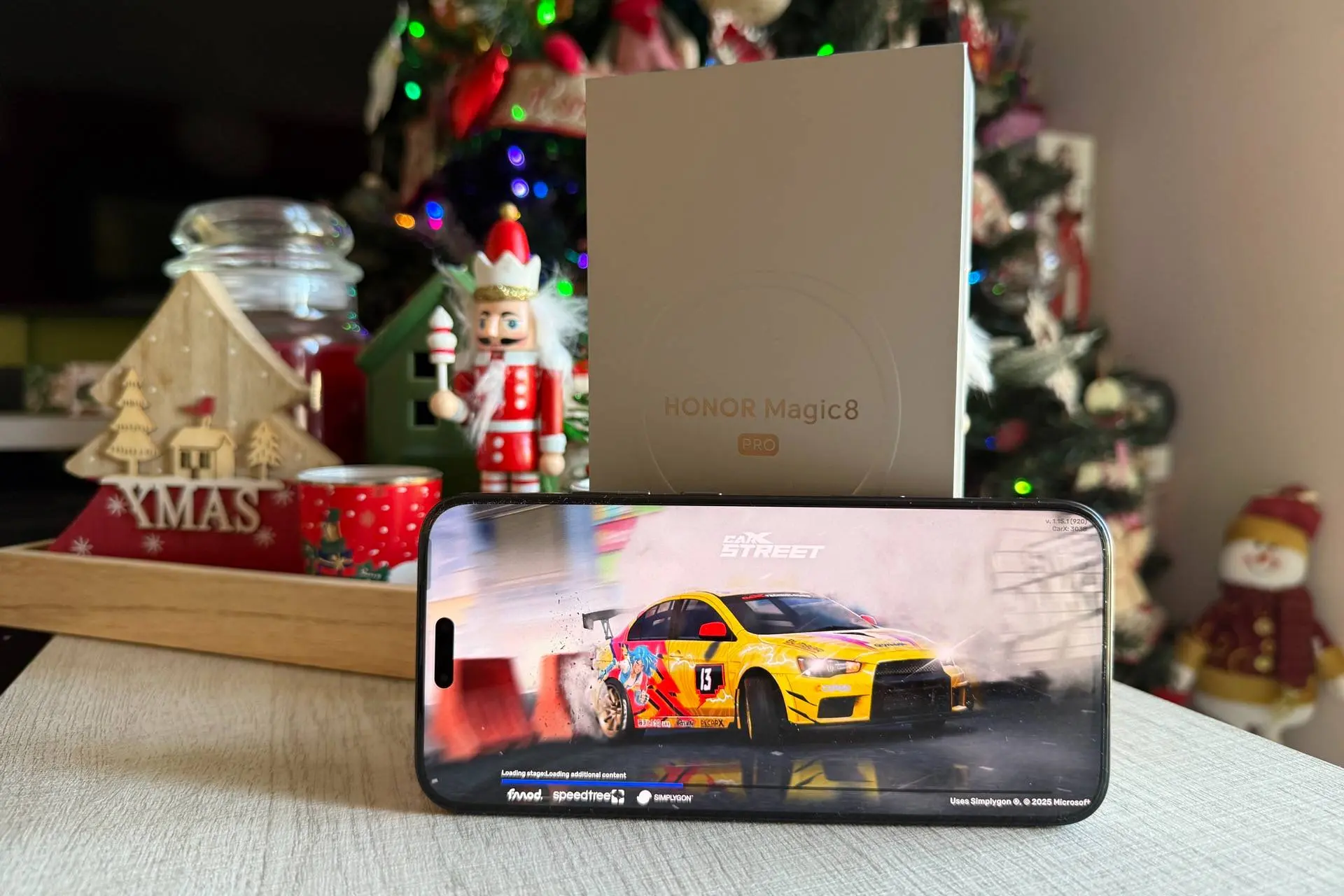
The flagship segment stays aggressive. The economics shift for cheaper devices though. When component price increases push a mid-range model's retail price high enough that sales volume drops significantly, the math can flip — the lost sales volume stops being offset by the internet revenue that device would have generated. In those cases, pausing or canceling a product line becomes rational.
That's a problem for budget buyers, not flagship ones.
As for the iQOO 16 specifically — if the iQOO 15 tracked closely with the X200 in camera performance, benchmarking the 16 against X300 standards is a reasonable expectation. Whether it clears that bar depends entirely on what Vivo's imaging team delivers.
Popular News
Latest News
Loading