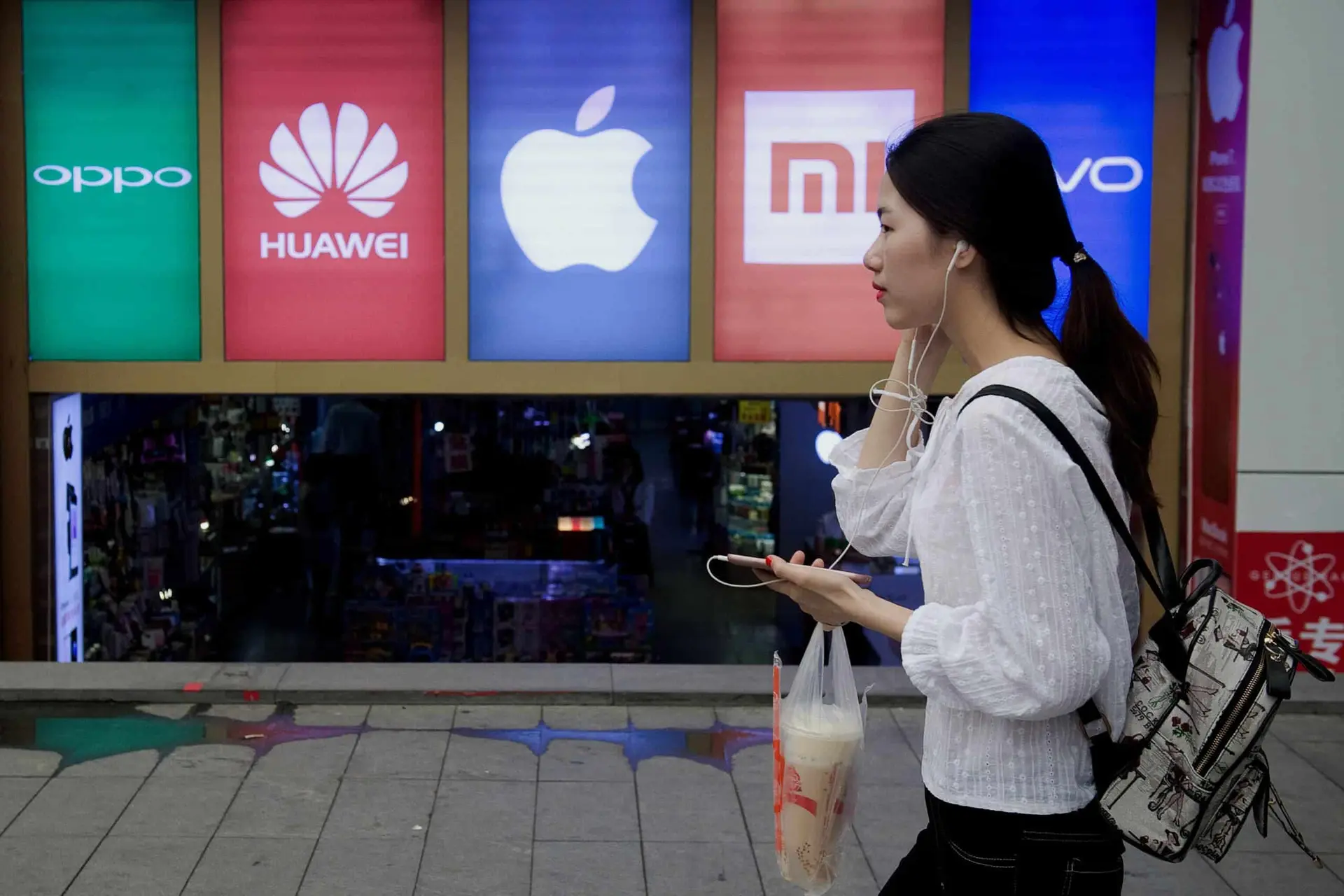
"Although some decline was expected in Q1, due to the ongoing supply and logistical challenges and a difficult year-over-year comparison, things seemed to have taken a turn for the worse," said Nabila Popal research director at IDC. "Consumer sentiment across all regions, and especially China, is broadly negative with heavy concerns around inflation and economic instability that have dampened consumer spending. This alongside the rising costs of components and transportation and the recent lockdowns in Shanghai; which are exacerbating an already difficult situation. On top of all this is the Russian invasion of Ukraine; which immediately impacted that region and continues on an unknown trajectory. Given all these uncertainties, most OEMs are adopting a more conservative growth strategy for 2022."
Smartphone shipments: iPhone sales rose, fall in the Android camp


"It goes without saying that the world continues to face numerous challenges, whether it be geopolitical, pandemic related, or macroeconomic," said Ryan Reith, group vice president with IDC's Worldwide Mobile Device Trackers. "Almost everything that’s happen in recent months has been a headwind on the smartphone market, and realistically many other technology segments. Our research tells us Samsung and Apple have navigated the supply chain situation a bit better than their competitors; and as a result we have seen reduced orders from the next set of top OEMs. We remain of the opinion that any diminished demand will not be lost, but rather pushed forward. It's just a matter of when that demand resumes."
Loading