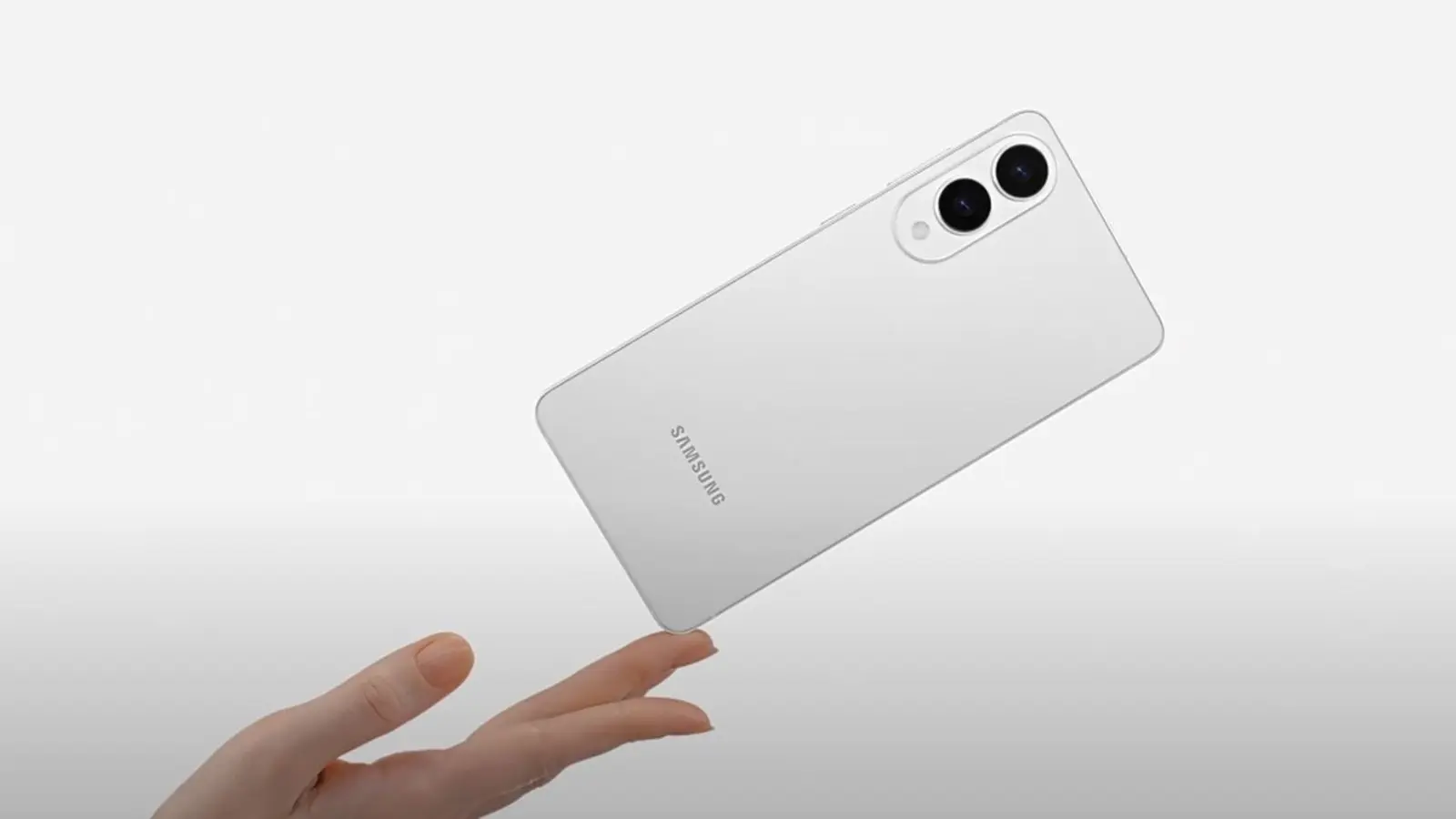
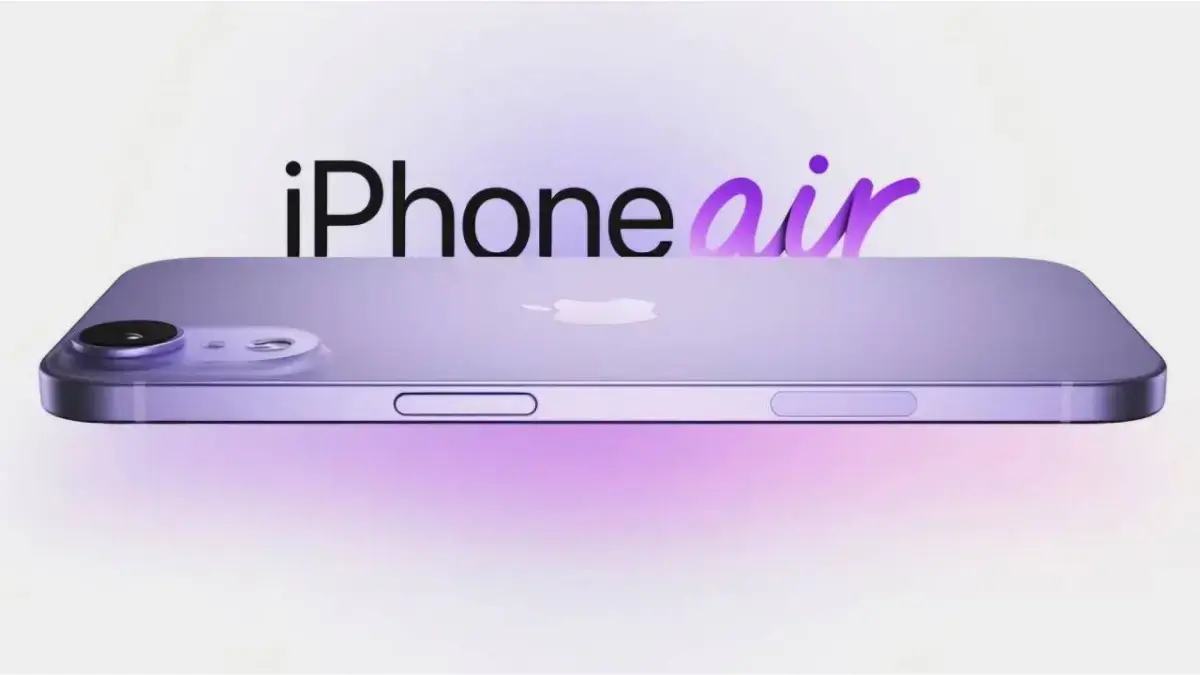
Samsung and Apple are both investing to bring back the trend of super-thin devices. If it will prove to be the right direction, only time will tell, but the Samsung Galaxy S25 Edge is here, and the iPhone 17 Air arrives next week to prove its point. In fact, Samsung seems to be gearing up to launch another generation of its super-thin smartphone in the next year, namely the Samsung Galaxy S26 Edge. While the device is some months away from release, the first leaks are popping out.
Samsung Galaxy S26 Edge Will See a Small Bump in Battery Capacity
While brands are pursuing thinness in smartphones, the battery capacity is often sacrificed. This might change in the future with silicon-carbon batteries, but as far as we know, neither Samsung nor Apple is currently involved in this technology. That said, the Samsung Galaxy S26 Edge won't bring a big overhaul in its battery capacity. The current model comes with a 3,900 mAh battery. That would be interesting five years ago, but nowadays, in the age of 5000, 6000, and even 7000mAh batteries, this is considered tiny. According to a new report, the next model is expected to feature a battery capacity increase to 4,200mAh. It's a welcome change, but won't translate in several hours of extra endurance.
Read Also
Read also
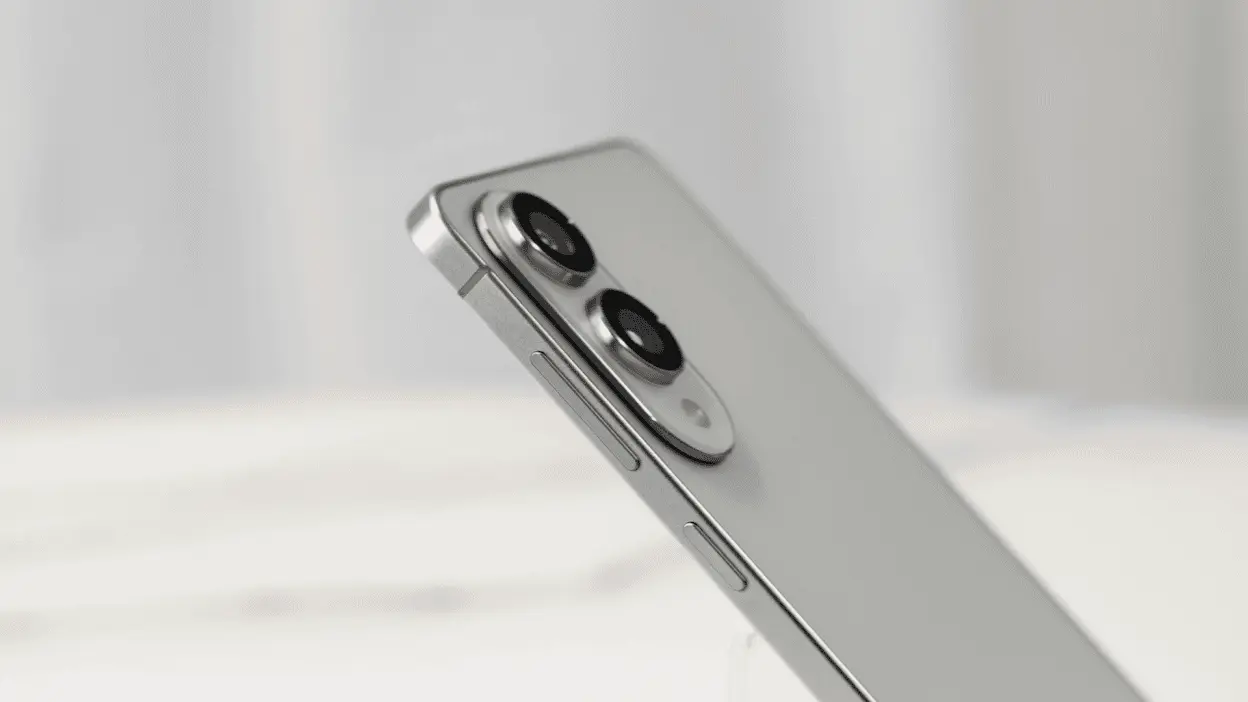
The report comes from the Chinese 3C certification. According to the report, Samsung will stick to the lithium-ion battery technology for the Galaxy S26 Edge. It won't make the transition to the silicon-carbon technology for yet another year. The biggest highlight of this technology is the higher energy density. It allows manufacturers to fit larger battery cells in the same form factor or reduce the phone's size altogether.
Unfortunately, Samsung has a conservative approach with anything that involves battery or charging tech. This probably is due to the Galaxy Note 7's fiasco - a major issue with the battery caused the phone to burn, and thus, Samsung had to recall million of units.
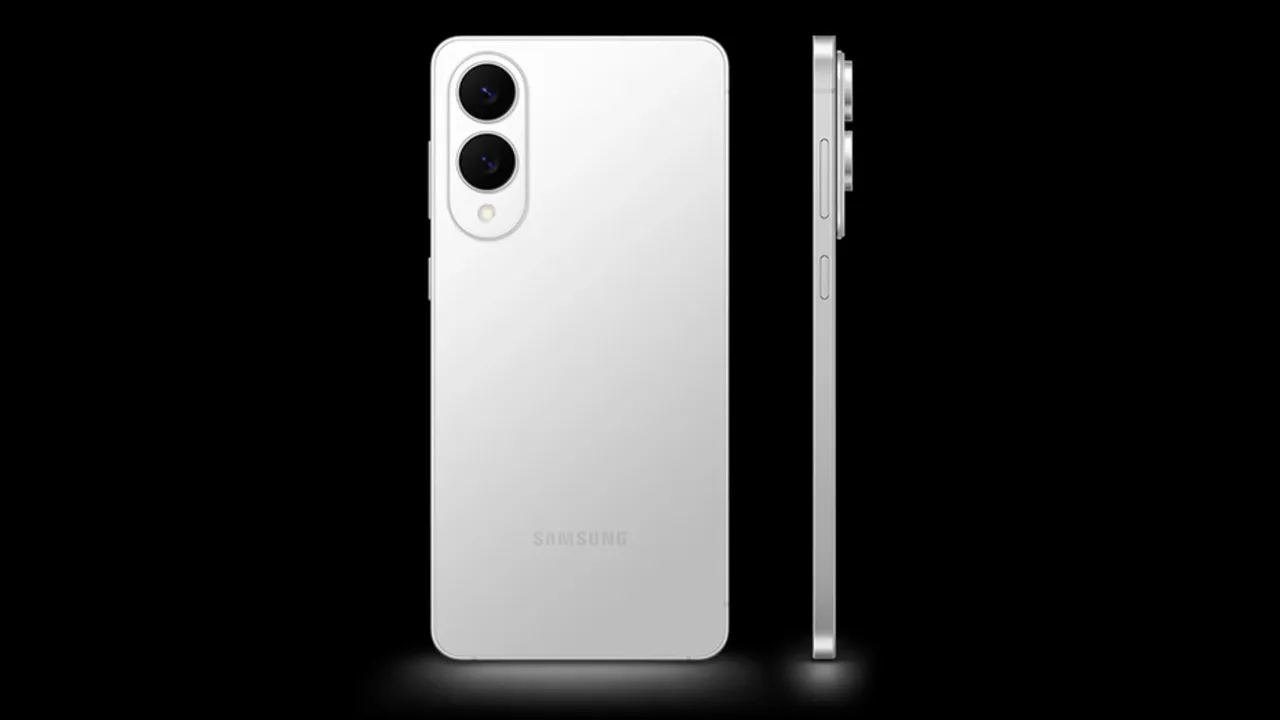
The Shift to Silicon-Carbon Batteries Could Change Things
Let's say that Samsung decides to make the jump to Si-C batteries in 2027, then the Galaxy S27 Edge could fit a 5,000mAh capacity in its form factor. It's a pity that neither Apple nor Samsung is fighting to break the major letdown of the super-thin smartphones. Hopefully, this will change in the future - if these phones prove to be succesful.
Popular News



Latest News
Loading