GoPro’s new camera is so professional it might just film itself
TechWednesday, 15 April 2026 at 13:32
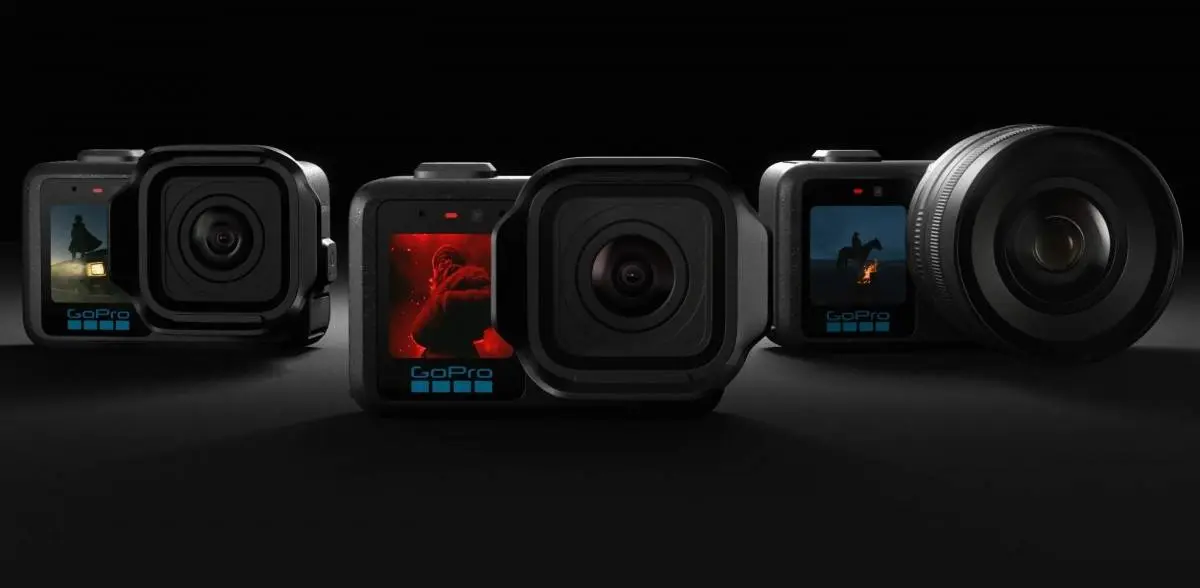
The action camera market has been running in circles for a few years, mostly offering minor software tweaks and slightly better stabilization. But with the announcement of the Mission 1 series, GoPro seems to have finally realized that they can't keep selling the same small sensor and expecting professional results.

This isn't just an update; it is a complete restructuring of their philosophy. By moving to a 1-inch sensor and, more shockingly, an interchangeable lens system, GoPro is effectively declaring war on traditional mirrorless cameras. They are no longer just making "crash cams"—they are building a modular cinema system that fits in the palm of your hand.
Summary
- The Mission 1 series features a 50MP 1-inch type sensor across all models.
- A new 5nm GP3 processor enables 8K/60fps and 4K/120fps Open Gate video.
- The Mission 1 Pro ILS introduces a native Micro Four Thirds (MFT) lens mount.
- New Enduro 2 batteries offer up to 5 hours of 1080p recording.
- Audio is upgraded with a four-mic setup and 32-bit float recording support.

The death of the fixed lens
The most significant news here is the Mission 1 Pro ILS. For years, the biggest complaint against GoPro was the fixed, ultra-wide perspective. If you wanted a different look, you had to mess with digital crops or third-party mods. Now, with a native Micro Four Thirds mount, you can slap actual glass on this thing. I suppose the purists will argue that an action camera doesn't need a mount, but for creators who need that 1-inch sensor quality with a specific focal length, this is a dream. It turns a rugged action cam into a legitimate B-cam for high-end productions.

Processing power and AI
Under the hood, the 5nm GP3 chipset is doing some serious heavy lifting. We are looking at 8K recording at 60fps, which is overkill for most people, but the 4K 120fps Open Gate is the real prize. Open Gate allows you to use the full sensor area, giving you the flexibility to crop for both vertical and horizontal platforms without losing quality.
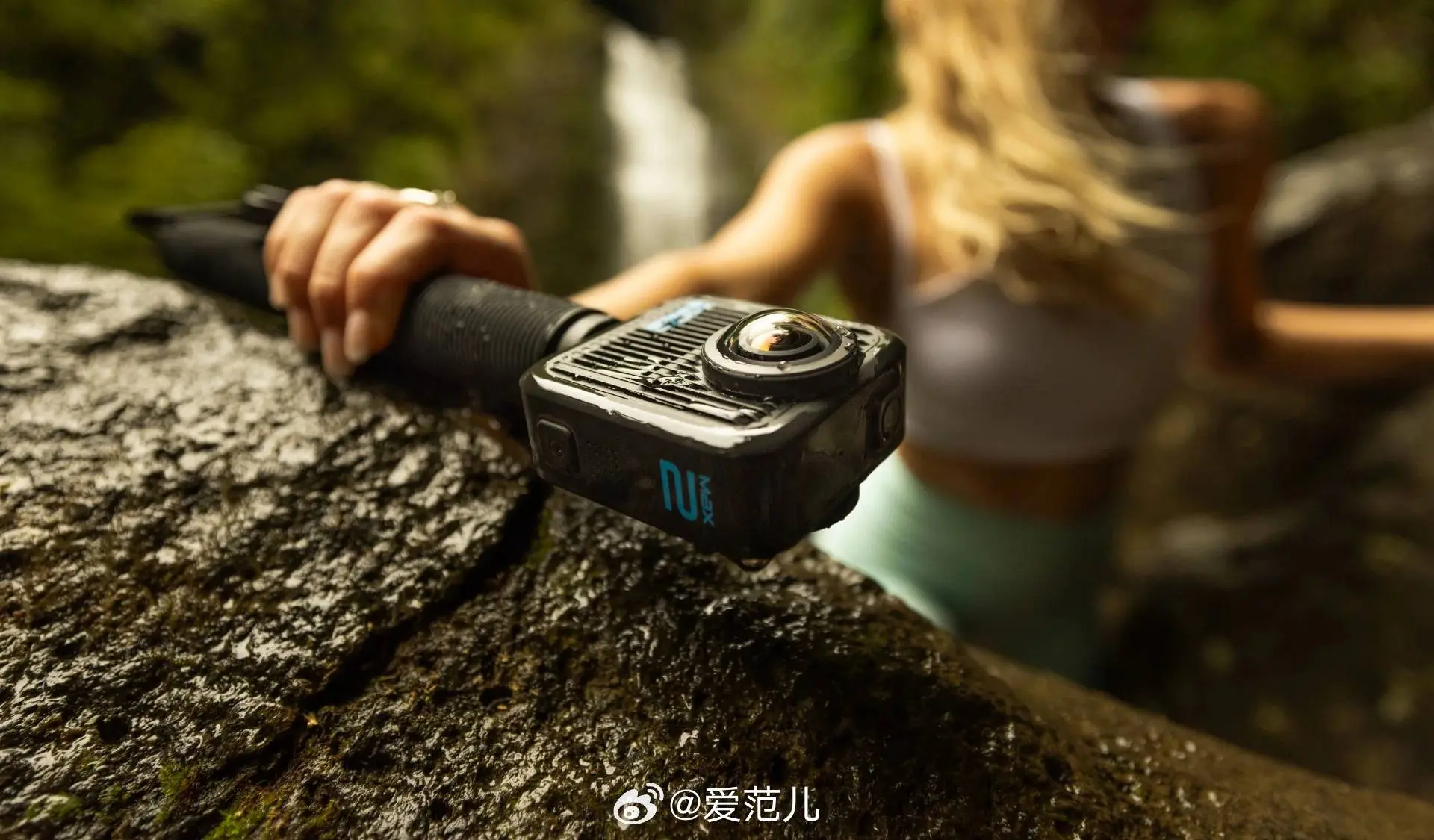
They’ve also integrated an AI NPU to handle low-light noise, which has historically been the Achilles' heel of action cameras. If the AI can actually clean up the shadows in real-time without making everything look like a watercolor painting, GoPro might have finally solved their biggest problem.

Professional audio and endurance
It is refreshing to see a manufacturer take audio seriously. The four-microphone array combined with 32-bit float recording means you practically cannot "clip" your audio. Even if you go from a whisper to a scream, the gain can be adjusted in post-production with zero distortion. To power all this tech, the Enduro 2 battery claims over three hours of 4K recording. In the real world, that usually means a bit less, but it is still a massive jump over the previous generations that tended to overheat or die within an hour. It is a dense, professional package that makes the "action camera" label feel a bit too small for what this device actually does.
Popular News


Latest News
Loading