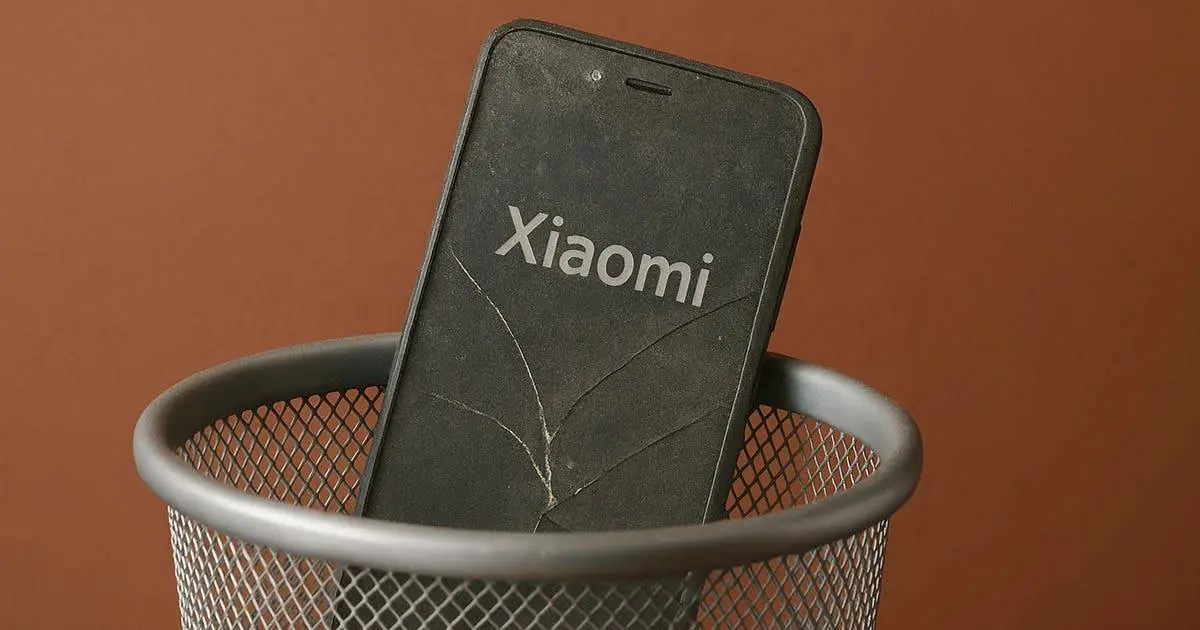
In the fast-moving world of smartphone resale, 2026 is shaping up to be a brutal year for Xiaomi owners. Software longevity has officially overtaken physical condition as the primary driver of a phone's second-hand price. As HyperOS 3 begins to rollout, a clear line is being drawn between "living" devices and "dead investments." If your handset is on the list to lose security support by early 2026, its market value is predicted to plummet by as much as 70% in a single quarter.

Xiaomi 12
Why the resale market is crashing
The era where a "clean screen" was enough to sell a phone is over. Today’s buyers are savvy; they check the End of Support (EOS) date before they check the battery health. An unsupported phone is more than just a lack of new emojis—it is a security liability. Once a device stops receiving patches, banking apps and corporate email suites often flag it as "non-compliant," rendering the hardware useless for professional or financial tasks. In 2026, an unpatchable phone is essentially a high-tech paperweight.

The Redmi Note 12
The 2026 "hard to sell" list
If you currently own one of these models, the window to trade them in for a decent price is closing rapidly:
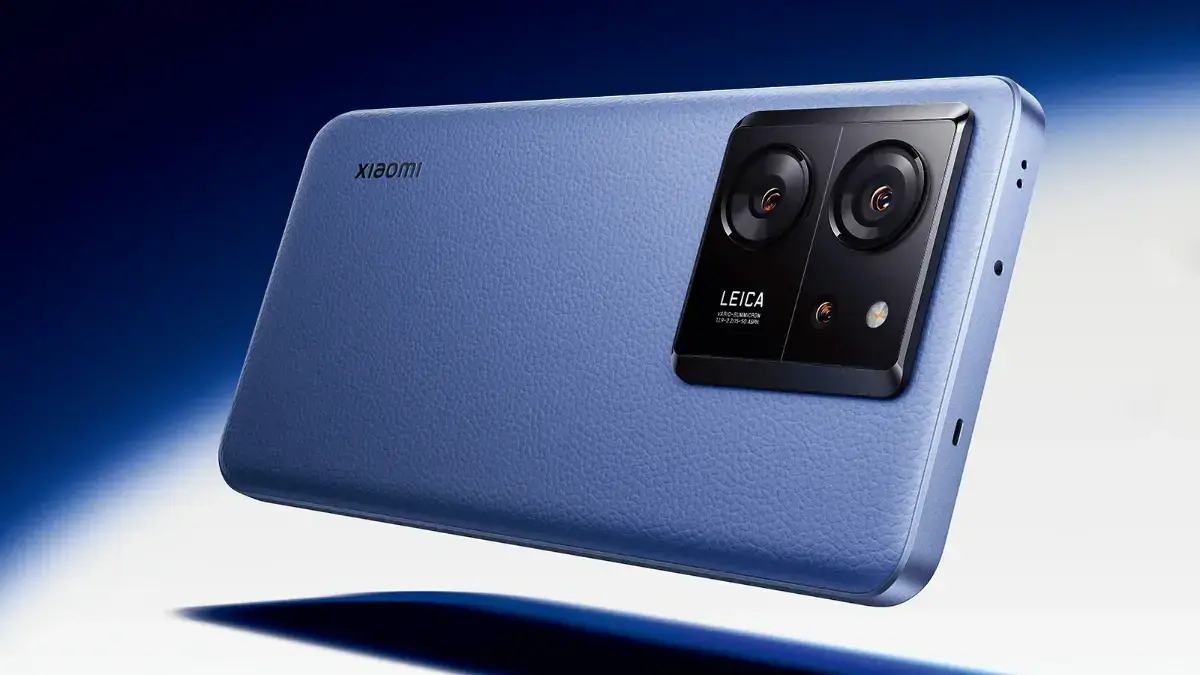
- Xiaomi 12 & 12 Pro: Despite their flagship Snapdragon internals, their official support cycle is scheduled to sunset in early 2026.
- Redmi Note 12 Series: This was a massive global bestseller, meaning the market will be flooded with these units the moment support ends. Oversupply + zero updates = zero resale value.
- POCO F5: A favorite for mobile gamers, but its security updates are projected to end around May 2026. Serious gamers will avoid this to protect their accounts from unpatched vulnerabilities.

The POCO F5
The hyperos 3 divide
The introduction of HyperOS 3 has created a "software ceiling." Older devices like the Note 12 series might receive the interface update, but it will be built on an older Android 15 core rather than the new Android 16. This means they miss out on the deep AI integration and cross-device "Super Island" features. For a buyer in 2026, purchasing a phone that can't run the latest system-level AI is considered a "dead-end" purchase, further driving down the price of these legacy models.
Popular News
Latest News
Loading