Xiaomi's Most Powerful Cordless Vacuum Auto-Empties Itself and Costs Less Than You'd Expect
Xiaomi NewsWednesday, 20 May 2026 at 08:57
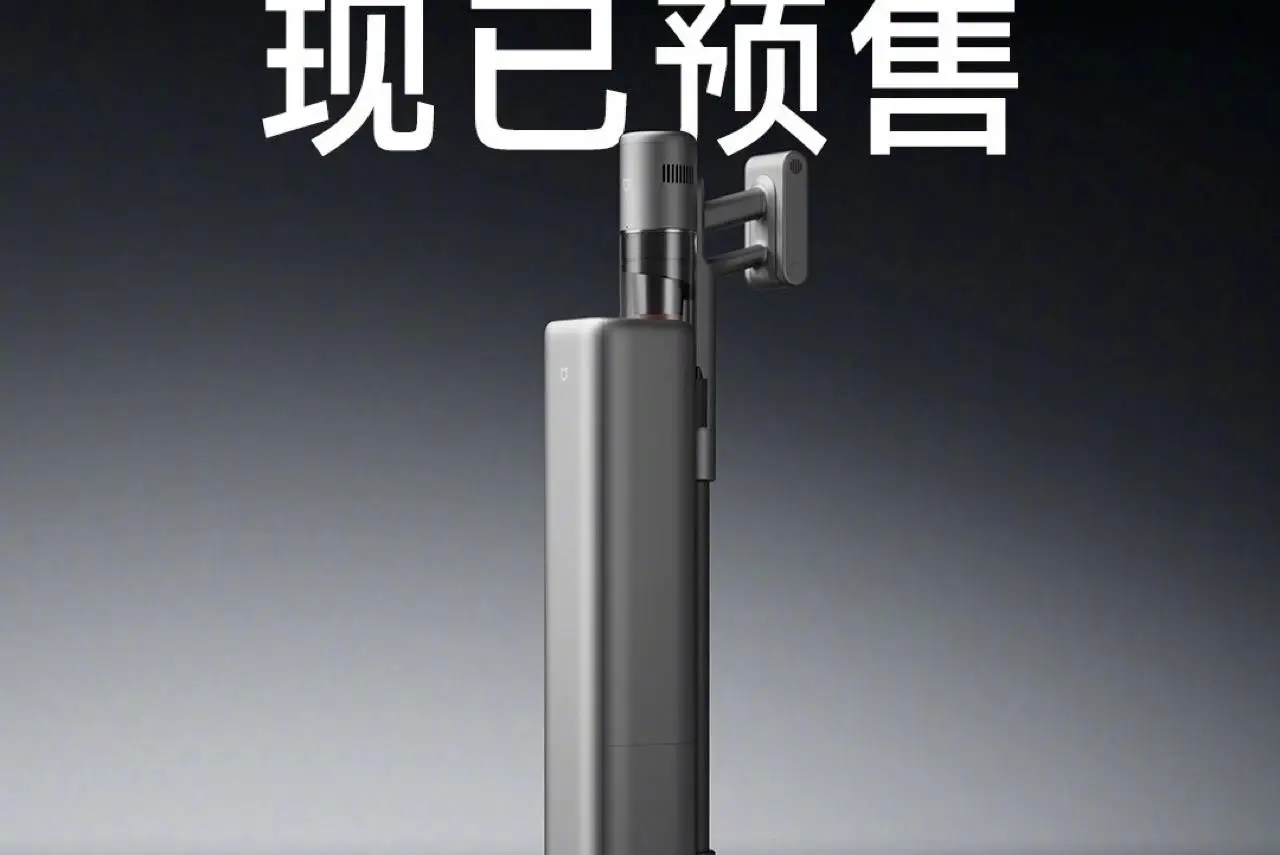
Three vacuum cleaners in a month. Xiaomi's Mijia home division is running at full speed — and this one is the one worth paying attention to.

Summary
- Xiaomi launched the Mijia Cordless Vacuum Cleaner 4 Max on May 20, 2026, priced at CNY 1,999 (~$295) — the most expensive cordless vacuum in the Mijia lineup and the flagship of a three-model series that also includes the 4C (CNY 799) and standard 4 (CNY 999).
- The 4 Max is powered by an 800W brushless motor spinning at 150,000 RPM, delivering 280AW suction power and 27,000Pa vacuum pressure — the highest specs in the Mijia cordless range.
- Xiaomi's new dual-airflow self-collecting dust system automatically transfers debris from the dust cup to a 3-liter antibacterial silver-ion dust bag in the charging base in as little as 11 seconds, with a claimed 99% collection rate and a 100-day bag replacement interval.
- The 4,000mAh removable battery delivers up to 90 minutes of runtime — the battery is user-replaceable, a practical advantage over sealed competitor designs.
- HyperOS Connectivity integrates the vacuum into the Xiaomi smart home ecosystem, enabling suction adjustment, battery monitoring, bag replacement reminders, and automated cleaning triggers linked to other devices like air purifiers and smart locks.

"Xiaomi's auto-dust-collection system transfers debris from the dust cup to a sealed 3-liter bag in 11 seconds with a 99% collection rate — solving the single biggest friction point of cordless vacuum ownership: having to manually empty the cup after every use."
Why the Auto-Collection System Is the Real Headline
Most cordless vacuum buyers have a vacuum they like and a maintenance routine they resent. Emptying a dust cup after every session, managing fine dust clouds during emptying, and deciding when the cup is actually full enough to justify stopping — these are the daily annoyances that auto-collection solves. The 4 Max's charging base acts as a dust station: dock the vacuum, and the dual-airflow system pulls debris from the cup into the 3-liter sealed bag automatically. Eleven seconds. Done.

The silver-ion antibacterial layer inside the bag addresses the secondary concern — bacteria and allergens accumulating in stored debris. A 100-day bag life means roughly one bag change every three months under typical household use. Compared to competitors' auto-collection systems that require more frequent bag replacements, Xiaomi's 100-day interval is a meaningful convenience claim.
The Motor and Suction Numbers in Context
The jump from the standard Mijia Wireless Vacuum Cleaner 4's 120,000 RPM and 230AW to the 4 Max's 150,000 RPM and 280AW is substantial. At 27,000Pa vacuum pressure, the 4 Max handles cat litter, dry food particles, and coarser debris that standard cordless vacuums struggle with — the spec is genuinely relevant for pet owners and households with mixed hard and soft floor surfaces.

The 12-cone cyclone separation system keeps suction consistent over time by preventing fine particles from building up in the motor pathway. Most budget cordless vacuums lose suction efficiency as the dust cup fills — the 4 Max's separation design maintains airflow even when the cup contains significant debris.
The Smart Home Integration Story
The HyperOS Connectivity integration isn't just app control — it's scenario automation. A user can configure the vacuum to start a cleaning run when the front door is locked and a smart air purifier to activate simultaneously, then receive a dust bag replacement reminder pushed to their phone. For buyers already invested in Xiaomi's smart home ecosystem, the 4 Max functions as a node in a coordinated home automation network rather than a standalone appliance. For buyers outside China, that integration advantage is largely unavailable — global launch prospects are slim.
Popular News

Latest News
Loading