When Lu Weibing, President and Partner at Xiaomi Group, spoke recently on Douyin, his words felt like more than just another teaser. They hinted at a turning point, maybe even a new chapter for the company’s digital series. He described the next generation as something that won’t simply continue what came before, but rather redefine Xiaomi’s place in the market. That’s bold talk. And perhaps he’s right—this time feels different.
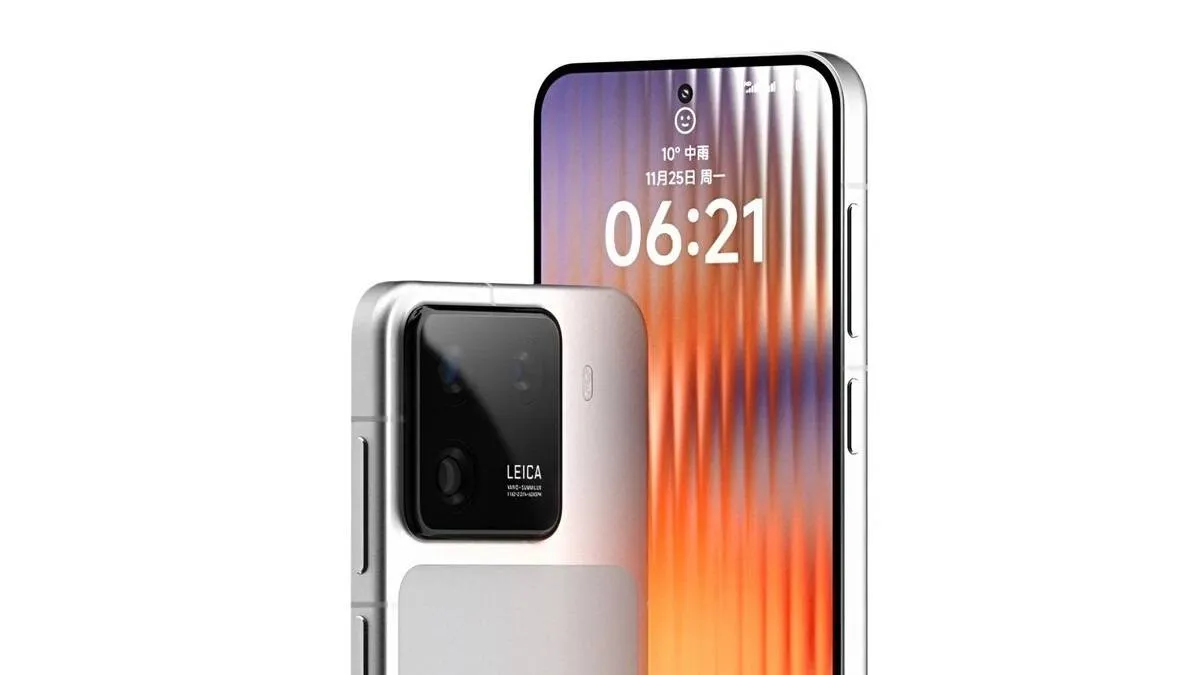
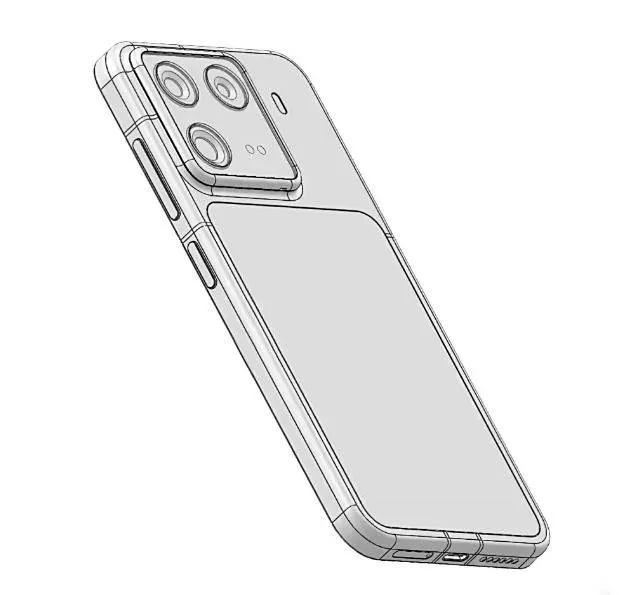
Xiaomi 16 render
The underlying message was clear: Xiaomi wants to push harder into the premium smartphone segment. Whether that ambition translates directly into hardware, software, or the way these products are positioned, we’ll know soon enough. But what’s certain is that anticipation is already building. Many assume that the Xiaomi 16 series will be the stage where all this plays out.
Design Tweaks, Interface Overhauls
Leaks and whispers are already circulating, suggesting that the Xiaomi 16 will ship with HyperOS 3. That’s the new iteration of Xiaomi’s in-house system, and honestly, it might be the bigger story here. Why? Because it seems set to reshape the way users interact with their phones day-to-day.
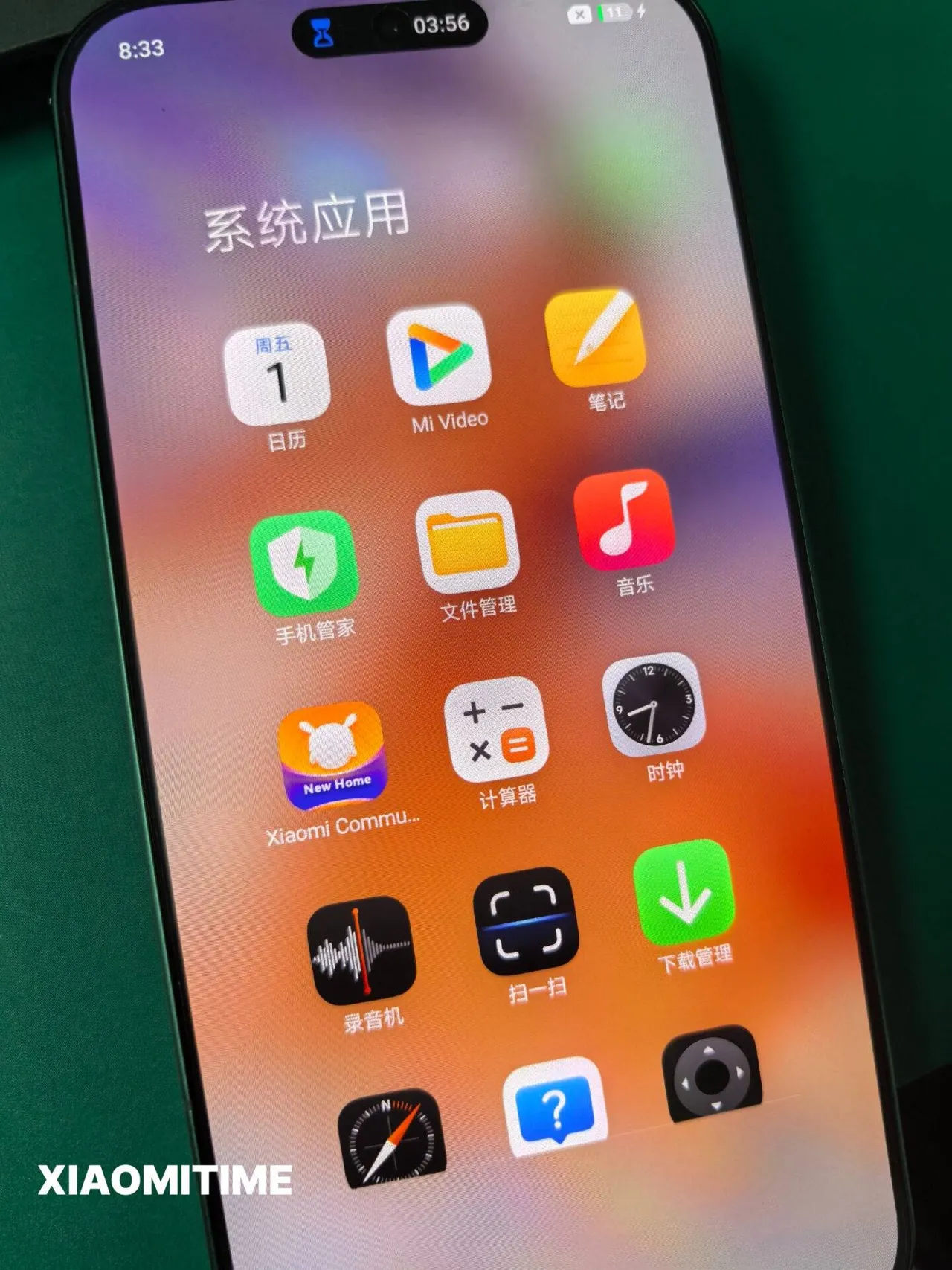
HyperOS 3 screenshot
One of the more eye-catching features being tested resembles Apple’s Dynamic Island. Except Xiaomi is trying to make it its own. Instead of wasting space around the punch-hole, they’re reportedly filling it with adaptive, pill-shaped notifications. Small animations, live info, contextual updates. It’s an elegant way of reclaiming screen real estate while adding flair. It’s not exactly groundbreaking, yes. However I think many Android users will appreciate the subtle boost in usability.
The truth is, details about the Xiaomi 16’s broader design are still thin. The company seems keen on retaining the familiar look of its predecessors while tightening up performance and efficiency. That’s a conservative but probably wise approach, especially given how much emphasis is being placed on software this time.
HyperOS 3: A Faster Rollout Than Expected
Here’s something unusual: the global release timeline for HyperOS 3 looks surprisingly aggressive. Xiaomi has penciled in a domestic rollout for September. Then, barely a month later, India, Europe, and Southeast Asia should follow—October or November 2025 at the latest.
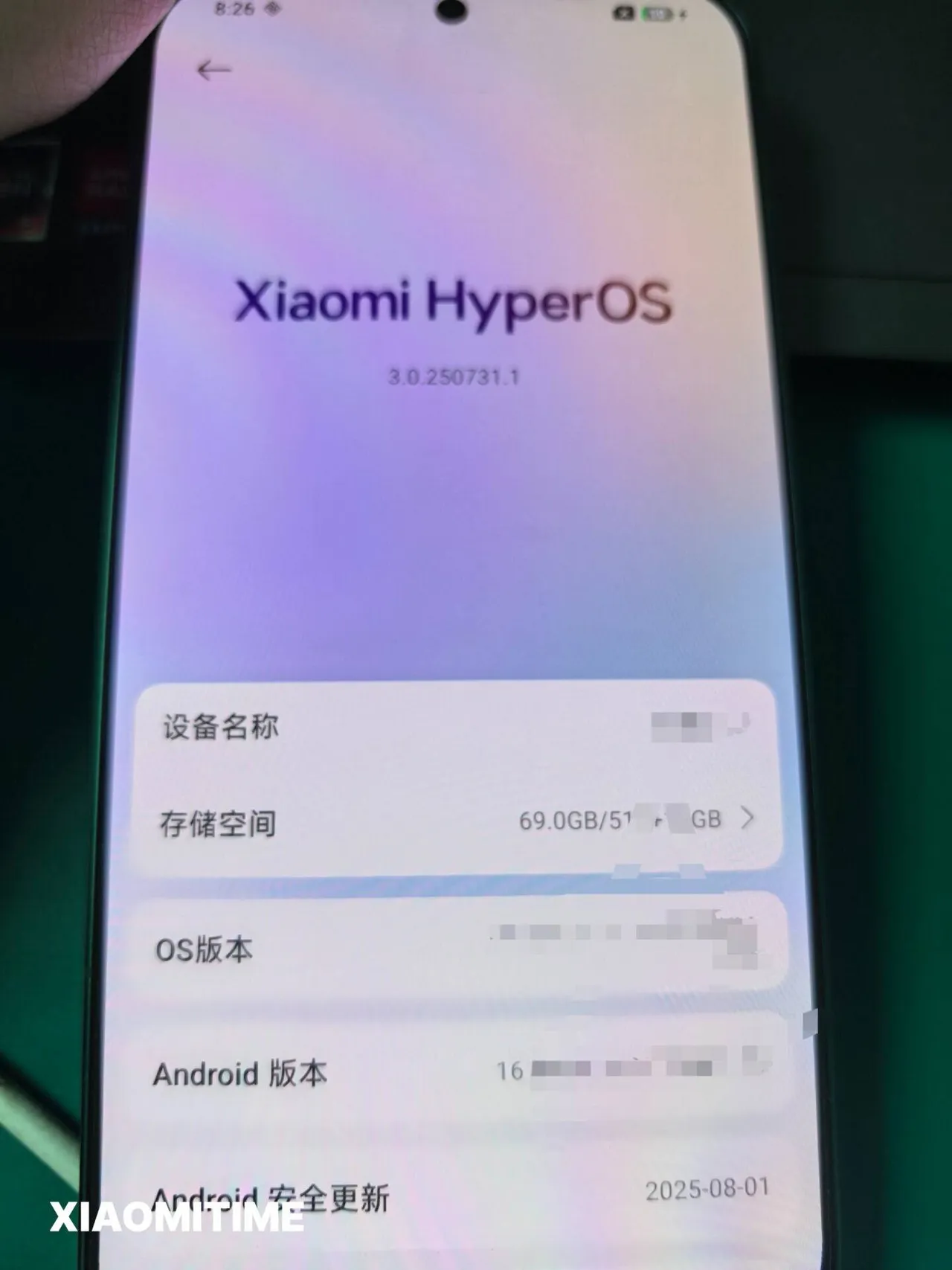
Leaked HyperOS 3 screenshot
Why the hurry? One explanation is Android 16. Its early arrival gave Xiaomi a head start, which in turn accelerated HyperOS development. This means international users won’t have to wait nearly as long as usual to get their hands on the update. For a company that has often staggered rollouts across months, this is a welcome shift.
Read also
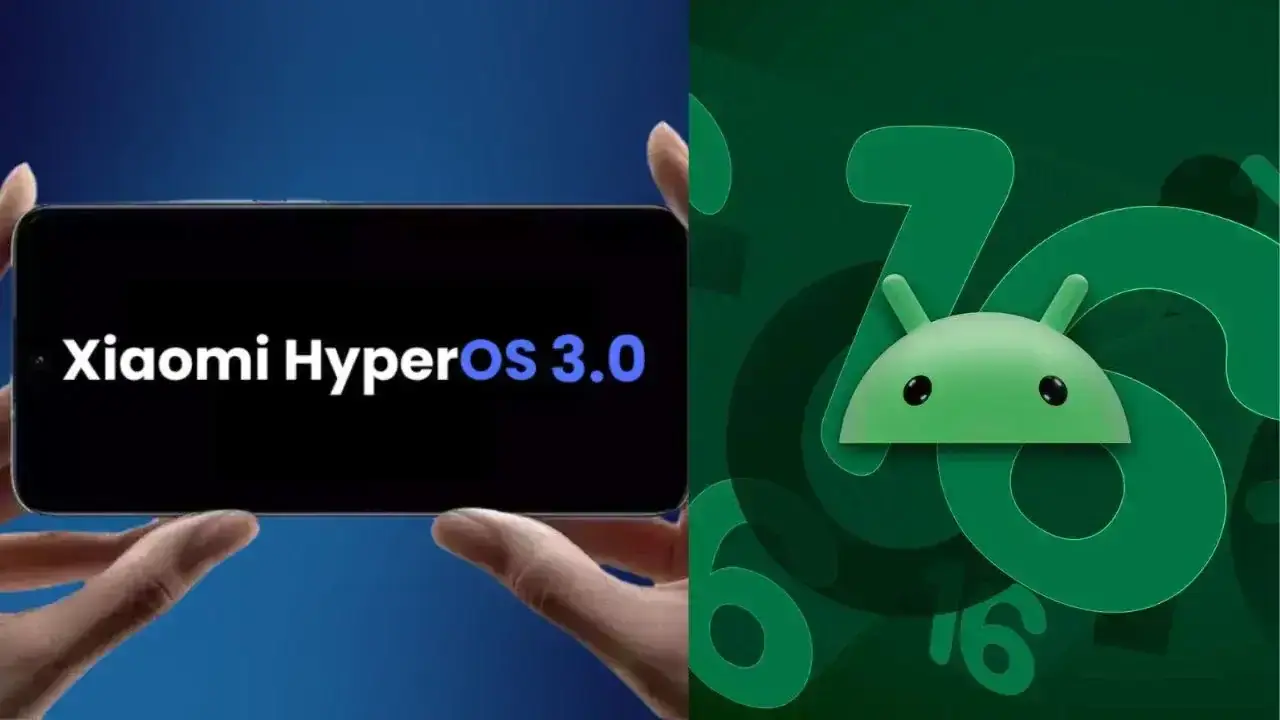
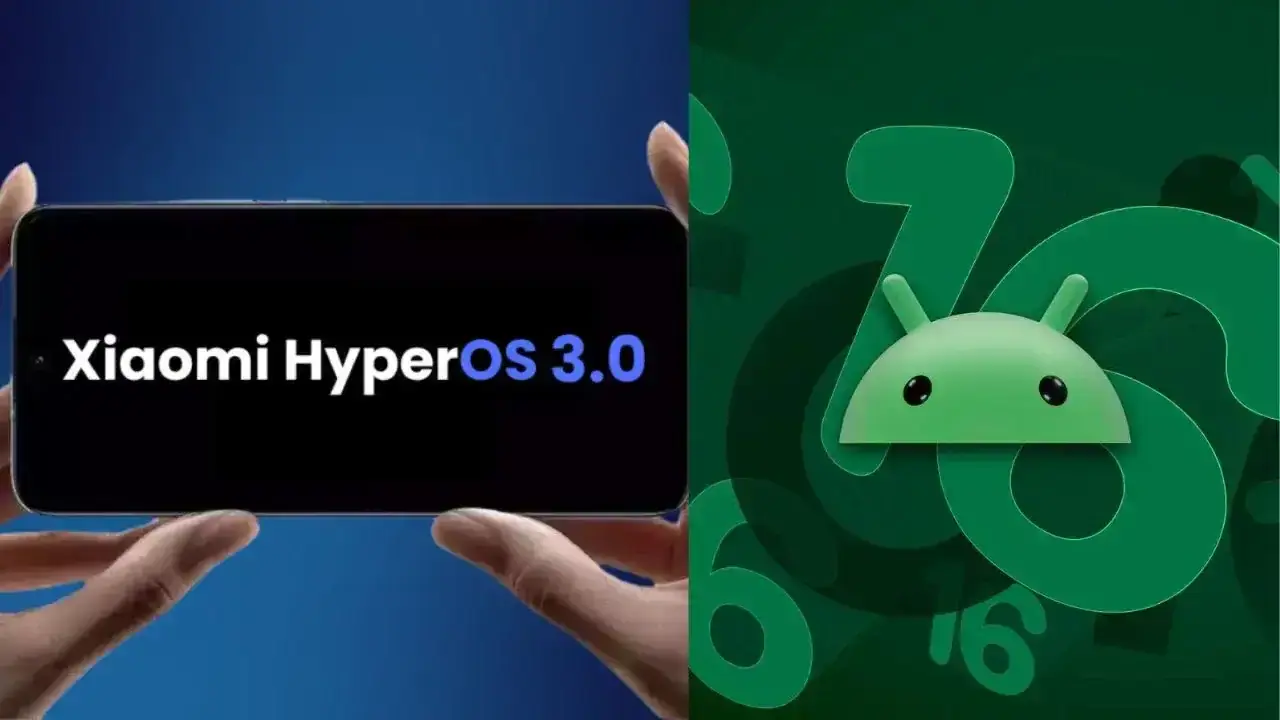
Of course, early doesn’t always mean flawless. Rapid launches tend to come with their own quirks. Bugs, compatibility hiccups, patches pushed out weeks later. But if Xiaomi manages to keep that under control, it could earn them a lot of goodwill, particularly among users who are tired of feeling like second-class citizens compared to Chinese buyers.
The Standard Xiaomi 16: What We Know So Far
Now, about the hardware. The “vanilla” Xiaomi 16 won’t be a radical departure in terms of appearance. It’ll echo the 15’s design, but with some upgrades tucked inside. Here’s what has leaked so far:
- Display size expected between 6.32 and 6.36 inches
- A battery capacity jump to 6800mAh (that’s huge for a phone in this range)
- 100W fast charging, keeping Xiaomi ahead of most rivals
- Performance optimizations that, while vague, suggest smoother multitasking and better thermal management
That battery stands out. A nearly 7000mAh pack, paired with 100W charging, feels like overkill. The kind of overkill that users will welcome. In a market where most flagship phones still hover around 4500–5000mAh, Xiaomi seems intent on giving endurance a headline role.
It raises a question, though: will the extra heft compromise design elegance? We don’t know yet. But based on Xiaomi’s recent track record, they’ll try to strike a balance.
Final Thoughts
It’s always tricky to predict how much of the early hype will actually carry through once a phone lands in people’s hands. Xiaomi has been in this position before. Ambitious claims, bold teasers, and then a mixed reaction depending on how well the execution lined up with expectations. What feels different this time is the timing. By tying the Xiaomi 16 series so closely to HyperOS 3 and Android 16, the company is clearly signaling that it doesn’t want to just follow trends; it wants to frame them.
So, the question isn’t really whether the Xiaomi 16 will be powerful. That much feels certain. The question is whether it will make people pause and think, “This is the moment Xiaomi stopped chasing and started leading.” We’ll find out soon enough.
Popular News
Latest News
Loading