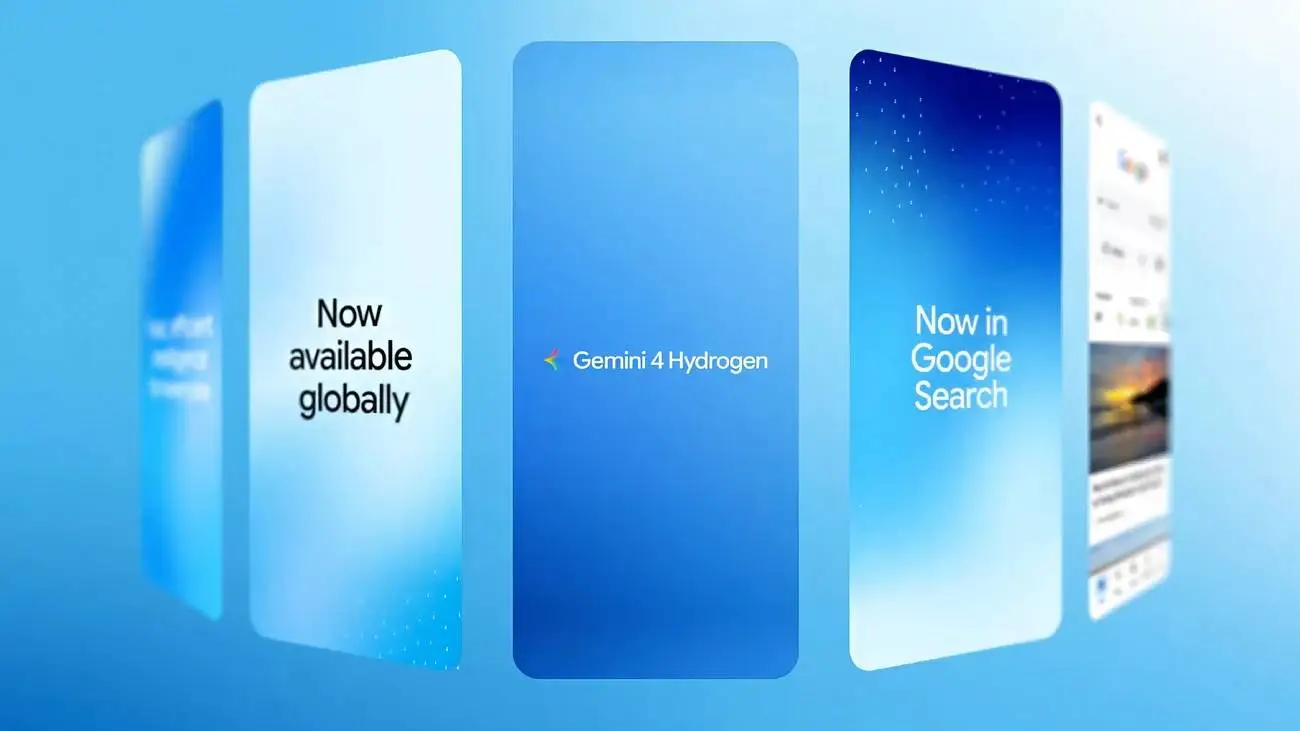
Google introduced yesterday Gemini 4 Hydrogen, a new AI model that puts speed ahead of deep reasoning. It joins Gemini 4 Carbon and Argon, but each model has a different role. Hydrogen is built for daily tasks such as writing, coding, research and working with files.
Google plans to bring Hydrogen to the Gemini app, Search, AI Studio and its business tools. The aim is to give users quick answers and useful results, while keeping the stronger models for jobs that need more thought.
A model built to get things done
Google calls Hydrogen its fast execution model. Carbon and Argon focus on deeper reasoning, while Hydrogen aims to finish practical tasks with less delay. Users can choose from four thinking levels: low, medium, high and x-high. A lower setting should suit simple requests, while a higher one gives the model more time to work through a hard problem.

Hydrogen supports a context window of up to one million tokens, so it can take in large files and long projects. This should help people who need to work with large documents or code bases without splitting them into smaller parts.
Faster work for developers
Coding is one of Google's main goals. Hydrogen can help find bugs, edit code, search large projects and run tests. Google says it can finish some coding tasks up to 2.5 times faster than Gemini 3.8 Flash. That will not apply to every job, but it shows where the model aims to compete.
Google is also adding Orchestrator to Antigravity. It can send parts of a task to different models. Carbon can plan the work, while Hydrogen handles routine coding and tests. Google says this setup finished its test tasks 19% faster and used 24% less quota on average.
Search gets more visual
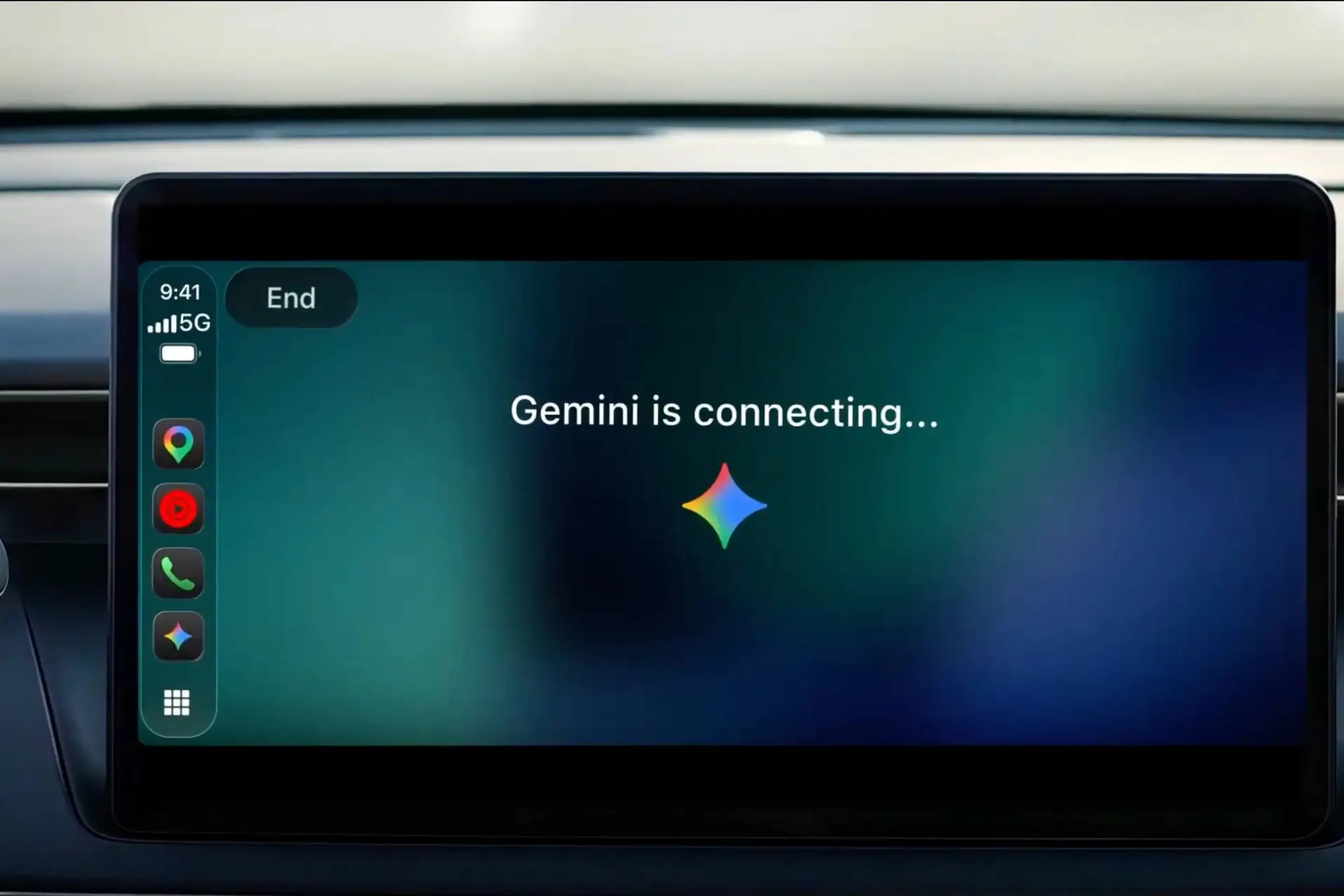
Hydrogen is also coming to Google Search. In AI Mode, it will help Search deal with long questions that cover several topics. Google says answers will include more images, comparison tables and custom tools, while drawing on more web pages.
That could make research easier, but it also raises a concern for publishers - like us. If Search gives users more detail on the results page, fewer people may feel the need to visit the sites behind that information.
My take
Hydrogen may matter more to most people than a model that tops a reasoning test. Quick help with files, code and daily questions is useful far more often than solving a hard puzzle. Google's plan to let models share the work also makes sense. The real test is whether this hand-off feels smooth in daily use, not just in a company test.
Google says Hydrogen is rolling out across its consumer, developer and business products.
Popular News



Latest News