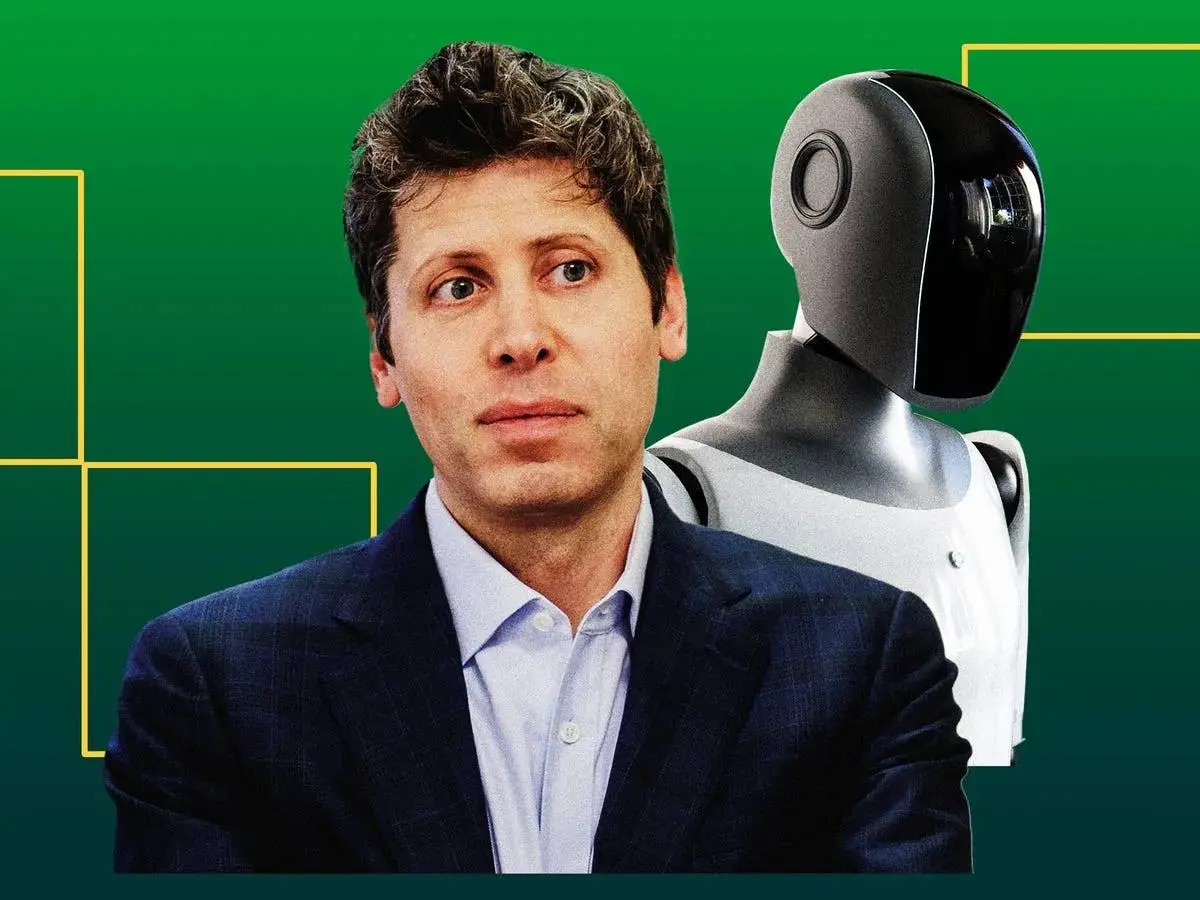
For years, we’ve been told that the "humanoid robot moment" is just around the corner. But while companies like Tesla and Figure are busy showing off shiny, bipedal prototypes that can barely walk without a tether, OpenAI has been quietly taking a much more "low-tech" approach in a warehouse in San Francisco.

Forget the C-3PO fantasies for a second. OpenAI isn't building a full-body robot—at least not yet. Instead, they’ve set up a massive, 24-hour operation dedicated to training isolated robotic arms to do the things we all hate: folding clothes and putting bread in the toaster.
Key Points
- Secret Lab Expansion: OpenAI’s San Francisco robotics lab has quadrupled in size and now runs 24/7.
- Focus on Household Tasks: Training is centered on "low-cost" robotic arms performing chores like folding laundry.
- GELLO Controllers: Human operators use 3D-printed controllers to provide high-quality "demonstration data."
- Data-Centric Strategy: OpenAI is treating physical movement like a language, building a massive dataset for "embodied AI."
- Hardware Pivot: This robotics push coincides with rumors of a 2026 consumer device launch co-designed by Jony Ive.
The GELLO Factor
The secret sauce here isn't some revolutionary new motor; it’s a 3D-printed controller called GELLO. I’ve seen these things in action—they look like miniature, plastic versions of the robot arms they control. Human workers use them to physically "teach" the machines, mapping their own hand movements directly onto the hardware.
It’s essentially the "ChatGPT-ification" of physical labor. Just as OpenAI scraped the internet to teach GPT-4 how to speak, they are now using a fleet of 100 data collectors to generate a massive library of "physical intelligence." They’re betting that if they feed a model enough video and tactile data of a human folding a t-shirt, the AI will eventually just... figure it out.
Why Toasters?
It sounds mundane, almost silly. Why is the world’s most powerful AI company obsessed with toast? Because robotics has a "data gap" problem. We have trillions of words of text to train LLMs, but we have almost zero high-quality data on how a hand actually interacts with a toaster handle.
OpenAI’s lab has reportedly quadrupled in size since last February, and they’re already scouting for a second location in California. It feels like a massive pivot. After disbanding their original robotics team in 2020 to focus on software, they’ve clearly realized that AGI (Artificial General Intelligence) isn't really "general" if it can’t pick up a glass of water without shattering it.
The 2026 Hardware Push
What makes this timing so interesting is that it aligns perfectly with the other hardware rumors we're hearing. Between the Jony Ive-designed "Sweetpea" wearable and the hardware RFP (Request for Proposals) OpenAI issued last week for U.S.-based manufacturing, the company is clearly tired of being trapped inside a screen.

Personally, I’m still a bit skeptical. We’ve been promised robot butlers for decades, and "Moravec’s Paradox"—the idea that what’s easy for humans is hard for AI—is still a very real wall. But watching OpenAI move from "talking" to "doing" feels like the start of a very different, much messier chapter in the AI wars.
Popular News


Latest News
Loading